

Walking into a beauty store or scrolling through skincare recommendations online can be surprisingly overwhelming. There are cleansers, toners, essences, serums, moisturizers, masks, oils, sunscreens, and countless products promising smoother, brighter, healthier-looking skin.
The problem is that more products do not automatically mean better skin.
The most useful skin care products are the ones that match your skin’s actual needs and fit comfortably into a routine you can maintain. A product that works beautifully for one person may feel completely wrong for someone with a different skin type or sensitivity.
This guide takes a simpler approach. Instead of telling you to buy an entire shelf of products, we will look at what different product categories actually do, how to choose them, and how to build a routine without unnecessary steps.
What Should You Look for in Skin Care Products?
Before buying anything, start with your skin rather than the packaging.
Know Your Skin Type
Your skin may generall
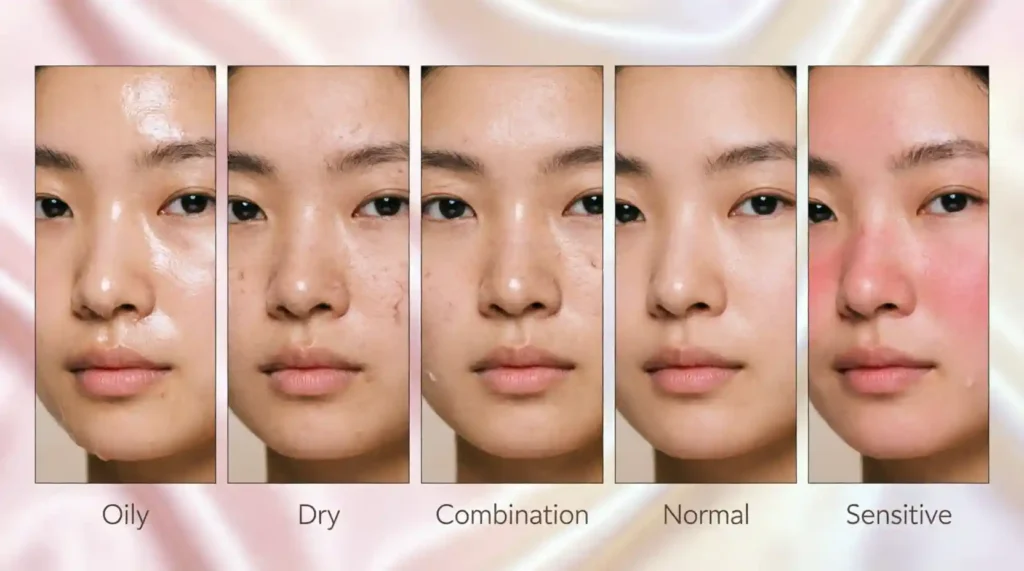
y be:
Skin type can also change with weather, age, hormones, products, and environmental conditions, so do not assume your skin will always behave exactly the same way.
Think About Your Main Concern
Ask yourself what you actually want to improve.
Are you dealing with dryness, excess oil, occasional breakouts, dullness, uneven-looking tone, or sensitivity?
Having one or two clear goals makes shopping much easier than buying products simply because they are trending.
Essential Products for a Simple Routine
You do not need ten steps to take reasonable care of your skin.
A basic routine can start with a cleanser, moisturizer, and sunscreen, with targeted products added only when they have a clear purpose.
Gentle Cleanser
A cleanser removes everyday buildup such as sweat, excess oil, sunscreen, and makeup.
Choose a formula that leaves your skin feeling clean without making it feel painfully tight or stripped.
If your skin feels uncomfortable immediately after cleansing, the product may be too harsh for your routine.
Moisturizer
Even oily skin needs hydration.
A moisturizer helps support the skin’s moisture balance and can make the skin feel more comfortable.
Lightweight gel or lotion textures may suit oily skin, while richer creams can be useful for drier skin.
Sunscreen
Sunscreen is one of the most important daytime products.
Look for broad-spectrum protection and choose a texture that you are comfortable applying consistently.
A sunscreen that feels pleasant on your skin is more likely to become a regular part of your morning routine.
When Should You Add a Serum?
Serums are usually designed to target a particular concern more directly than a basic moisturizer.
For example, different formulas may focus on hydration, antioxidant support, uneven-looking tone, or blemish-prone skin.
Hydrating Serums
Ingredients such as hyaluronic acid and glycerin are commonly used to support hydration.
They can be useful when your skin feels tight or dehydrated.
Vitamin C Serums
Vitamin C is commonly included in antioxidant-focused routines and is often used to support a brighter, more even-looking complexion.
Start with a simple formula rather than combining several strong actives at once.
Niacinamide Serums
Niacinamide is a versatile ingredient used in many routines.
Depending on the formulation and concentration, it may be useful for people concerned about excess oil, the appearance of pores, uneven tone, or maintaining the skin barrier.
Choosing Products for Different Skin Types
One of the biggest mistakes people make is assuming that a popular product is automatically suitable for everyone.
For Oily Skin
Look for lightweight textures and avoid choosing products simply because they are labeled “oil-free.”
A comfortable cleanser, lightweight moisturizer, and daily sunscreen can form the foundation of a simple routine.
For Dry Skin
Creamier cleansers and richer moisturizers may feel more comfortable.
Look for ingredients associated with hydration and barrier support, such as ceramides, glycerin, and hyaluronic acid.
For Combination Skin
Combination skin often needs a balanced approach.
You may prefer lightweight hydration overall while giving extra attention to areas that become dry.
For Sensitive Skin
Keep things simple.
Fragrance-free formulas and fewer active ingredients may make it easier to identify what your skin tolerates.
Patch testing a new product can also be a sensible precaution.
Do You Really Need Korean Skincare Products?
Korean skincare has become hugely popular, particularly because of its focus on hydration, layering, innovative textures, and gentle-looking routines.
The competitor content you provided focuses heavily on Korean products that users have personally tried, while current K-beauty coverage also highlights popular ingredients and professional recommendations.
But Korean does not automatically mean better.
Focus on the Formula
Instead of buying a product because it is Korean, viral, or beautifully packaged, check its ingredients and whether they make sense for your skin.
Avoid Buying Everything at Once
If you introduce five new products on the same day and your skin reacts, it becomes difficult to know which product caused the problem.
Adding products gradually is much easier to manage.
How to Build a Morning Skincare Routine
A simple morning routine can look like this:
| Step | Product | Main Purpose |
|---|---|---|
| 1 | Cleanser | Removes overnight buildup |
| 2 | Serum | Targets a specific concern |
| 3 | Moisturizer | Adds hydration and comfort |
| 4 | Sunscreen | Provides daytime UV protection |
You may not need every step every morning. The goal is to create a routine that works for your skin rather than following a complicated checklist.
How to Build a Nighttime Routine
Nighttime is a good opportunity to cleanse away the day’s buildup and use targeted products when appropriate.
A simple order could be:
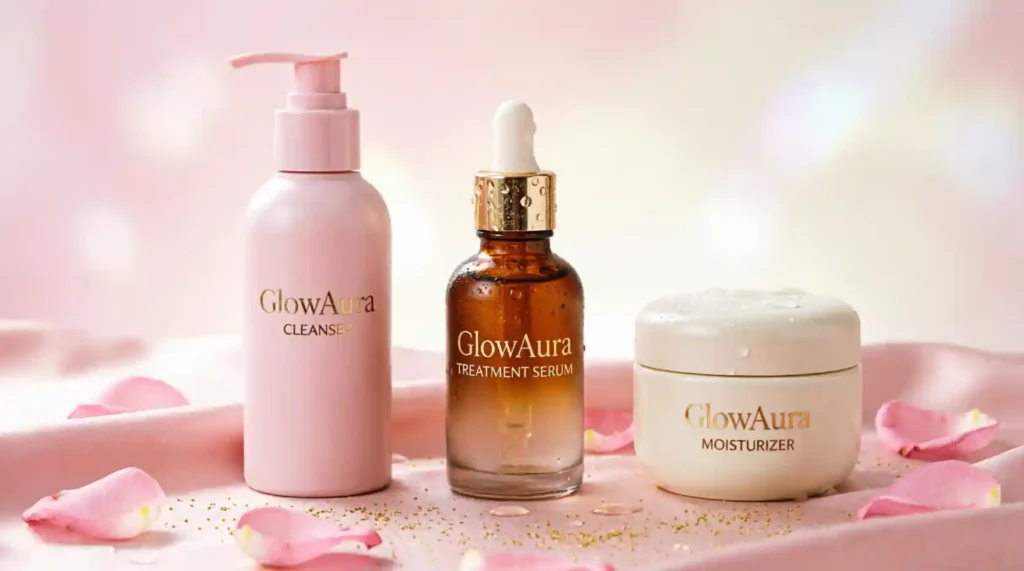
If you wear makeup or water-resistant sunscreen, you may need a suitable first cleansing step before your regular cleanser.
Common Mistakes When Buying Skincare
Buying Based Only on Social Media
A viral product can be interesting, but popularity does not guarantee that it will suit your skin.
Current online discussions also show that some heavily hyped K-beauty products can disappoint users despite strong marketing.
Using Too Many Active Ingredients
Layering several exfoliating acids, retinoids, and strong treatments can leave skin irritated.
Introduce active ingredients slowly and follow the product directions.
Changing Products Too Quickly
Skin often needs time to adjust to a routine.
Changing everything every few days makes it difficult to understand what is actually helping.
Ignoring Sunscreen
People sometimes spend heavily on serums while treating sunscreen as optional.
A balanced routine should not overlook daytime sun protection.
How to Save Money on Your Skincare Routine
A good routine does not have to contain expensive products.
Buy According to Need
Before purchasing a new serum, ask whether your current routine is missing something important.
Compare Ingredients, Not Just Prices
Two products can have very different prices while serving a similar basic purpose.
Look at the formulation, size, ingredients, and how often you expect to use it.
Finish Products Before Collecting More
A bathroom shelf full of half-used products is not necessarily a sign of a better routine.
Using a small number of suitable products consistently can be much more practical.
How to Introduce New Skin Care Products
Adding a new product does not have to be complicated.
Introduce One Product at a Time
This makes it easier to identify both positive and negative reactions.
Patch Test When Appropriate
If you have sensitive skin or are concerned about irritation, test a small amount according to the product’s directions before applying it widely.
Stop If Your Skin Reacts Badly
Persistent burning, swelling, severe redness, or other concerning reactions should not be ignored. If you experience a significant reaction, stop using the product and consider professional medical advice.
A Simple Product-Selection Checklist
Before purchasing, ask:
- Does this product match my skin type?
- What problem am I trying to address?
- Do I actually need this step?
- Are the ingredients suitable for my routine?
- Am I already using a similar active?
- Can I afford to repurchase it?
- Will I realistically use it consistently?
These questions can prevent impulse purchases and help you build a more thoughtful routine.
Frequently Asked Questions
What are the most important skincare products?
For a basic routine, a gentle cleanser, moisturizer, and broad-spectrum sunscreen are a practical starting point. Additional products can be added according to individual needs.
How many skincare products do I really need?
There is no fixed number. A simple routine can be effective without containing many steps. Add targeted products only when they serve a clear purpose.
Can I use Korean skincare with other brands?
Yes. Products do not have to come from the same brand or country. What matters more is whether the formulas work well together and suit your skin.
Should I use different products in the morning and at night?
Sometimes. Sunscreen is primarily a daytime step, while certain treatments are commonly used at night. Your routine can remain simple if you do not have specific treatment needs.
How long should I use a product before changing it?
That depends on the product and its purpose. Avoid changing multiple products at once because it makes it difficult to understand what is working.
Are expensive skincare products better?
Not necessarily. Price does not automatically determine whether a formula will suit your skin. Ingredients, formulation, consistency, and personal tolerance matter more.
Conclusion
Good skincare is not about having the biggest collection of bottles. It is about choosing products that suit your skin and using them consistently.
Start with the basics, introduce targeted products when you genuinely need them, and do not let viral recommendations replace thoughtful choices.
CTA
Ready to simplify your routine? Start by checking the products you already own, identify what your skin actually needs, and build a routine around a few reliable essentials rather than buying everything at once.
External Reference Suggestions
For additional research, consider linking to reputable dermatology organizations, established skincare brands, and evidence-based beauty publications.