
A healthy daily routine for girls can make everyday life feel more organised, balanced, and enjoyable. Whether you are a school student, a college girl, or a working woman, small daily habits can help you manage your responsibilities while making time for yourself. You do not need to wake up at 5 a.m. or follow a strict schedule to build a better lifestyle.
The best routine is one that fits your age, responsibilities, energy levels, and personal goals. From morning hygiene and skincare to study time, healthy meals, exercise, and restful sleep, simple habits can help you create a more balanced day. The key is to start small, stay flexible, and choose habits you can maintain.
In this guide, you will discover how to create a healthy daily routine for girls, explore practical timetables for different lifestyles, and learn how to balance personal care, productivity, and relaxation.
Why Is a Daily Routine Important for Girls?
A daily routine gives structure to your day. Instead of deciding what to do at every moment, you can follow a simple plan that leaves enough time for essential tasks and personal interests.
A balanced schedule can also help you remember important responsibilities without making your day feel unnecessarily complicated.
Here are some benefits of creating a routine:
- Better time management: You can organise study, work, chores, and personal activities more easily.
- Consistent self-care: Regular hygiene and skincare habits become easier to maintain.
- Healthy lifestyle habits: You can make time for balanced meals, movement, and sleep.
- Less daily confusion: Planning important tasks can help you feel more prepared.
- More personal time: A realistic schedule makes room for hobbies, family, friends, and relaxation.
Remember, a routine is a guide rather than a set of strict rules. Your schedule can change when you have exams, family responsibilities, work deadlines, or special events.
1. Healthy Morning Routine for Girls

A good morning routine helps you prepare for the day without rushing through every activity. You do not need an elaborate schedule. Start with a few simple habits that help you feel comfortable and ready.
Wake Up at a Consistent Time
Try to wake up at a time that works with your school, college, or work schedule. A consistent sleep and wake-up pattern can support better sleep habits.
Avoid sacrificing sleep just to wake up earlier than everyone else. Teenagers generally need more sleep than adults, so your bedtime should reflect your age and sleep needs.
Drink Water and Get Ready
After waking up, drink some water if you feel thirsty. Open the curtains or spend a little time in natural daylight when possible.
Next, brush your teeth, wash your face, and complete your basic hygiene routine. These simple steps help you feel refreshed before moving on to other activities.
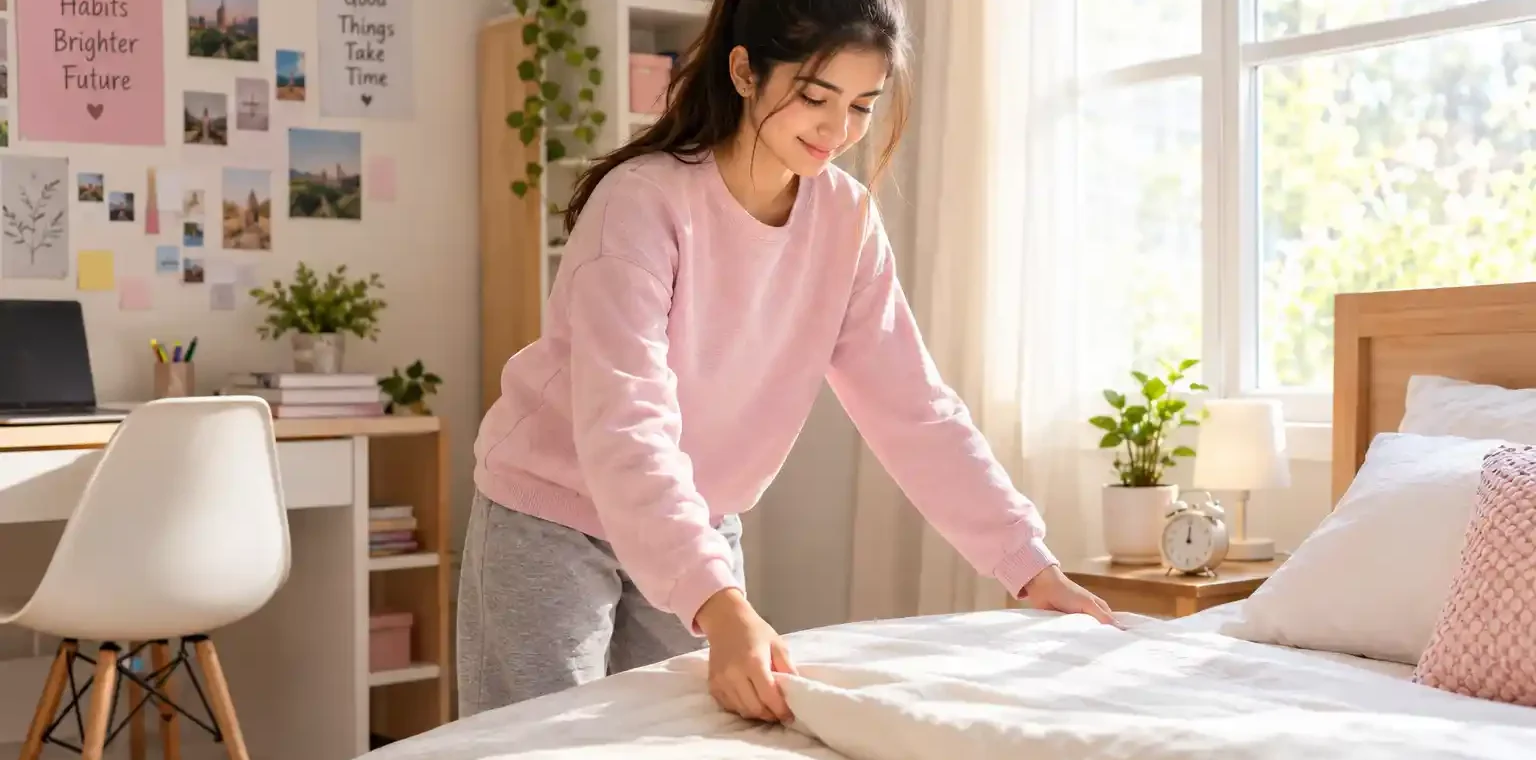
Make Your Bed and Organise Your Space
Making your bed takes only a few minutes and can help your room look tidier. You can also put away clothes, organise your desk, or prepare the items you need for the day.
You do not have to clean your entire room every morning. Focus on small tasks that make your environment easier to manage.
Eat a Balanced Breakfast
Breakfast can be a convenient opportunity to include nutritious foods in your day. Choose options that fit your appetite, culture, budget, and available time.
For example, you might eat:
- Eggs with whole-grain bread.
- Oatmeal with fruit.
- Yogurt with bananas or berries.
- Roti with eggs or another protein-rich food.
- A simple homemade meal with fruit on the side.
A balanced breakfast does not need to be expensive or complicated.
2. Personal Care and Skincare Habits
Personal care is an important part of a healthy daily routine for girls. However, looking after yourself does not require expensive products or a long beauty routine.
Follow a Simple Skincare Routine
In the morning, gently cleanse your face if needed, apply a moisturiser suited to your skin, and use broad-spectrum sunscreen when appropriate. Choose products according to your skin type and personal needs.
At night, remove makeup and gently cleanse your skin before applying moisturiser.
Avoid introducing several new skincare products at once. A simple routine is easier to maintain and makes it easier to notice whether a product irritates your skin.
Maintain Haircare and Personal Hygiene
Healthy grooming habits can fit naturally into your daily schedule.
- Brush or comb your hair gently.
- Wash your hair according to your scalp and hair needs.
- Wear clean clothes and change undergarments regularly.
- Keep your nails clean and trimmed.
- Maintain regular oral hygiene.
- Choose comfortable clothes suitable for your activities and weather.
You can also prepare your outfit the night before to save time in the morning.
Make Time for Yourself
Self-care is not limited to skincare or appearance. Reading, enjoying a favourite hobby, listening to music, or spending a few quiet minutes away from your phone can also be part of your routine.
The goal is to feel comfortable and cared for, not to meet unrealistic beauty standards.
3. Study and Work Routine for Girls
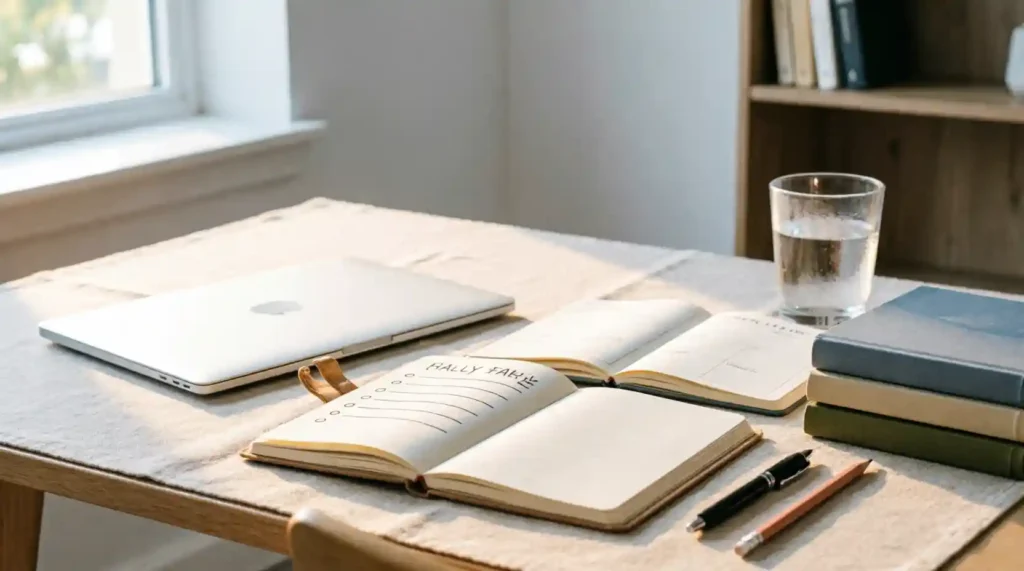
A productive routine should help you complete important tasks while leaving enough room for rest. Whether you are studying or working, planning your priorities can make your day easier to manage.
Create a Daily To-Do List
At the beginning of your study or work session, write down the three most important things you want to accomplish.
For students, these might include finishing homework, reviewing a lesson, and preparing for a test. For working women, they could include completing a project, responding to important messages, and organising tomorrow’s tasks.
Keep your list realistic. A short list of meaningful tasks is often more useful than a long list that feels impossible to finish.
Study in Focused Sessions
Choose a quiet place and keep the materials you need nearby. Put unnecessary phone notifications aside while working on an important task.
You can try studying for 25 minutes and then taking a five-minute break. If another session length works better for you, adjust it to your concentration and workload.
During breaks, stretch, walk around, drink water, or rest your eyes rather than immediately scrolling through social media.
Balance Screen Time
Phones can be useful for learning, communication, and entertainment. However, frequent notifications can interrupt concentration.
Try checking social media during planned breaks instead of opening it every few minutes. You can also keep your phone away from your study space when you need uninterrupted focus.
4. Healthy Eating and Exercise Habits
Healthy habits should support your everyday life rather than become another source of pressure. Regular meals, enjoyable movement, and adequate rest can help you maintain a more balanced lifestyle.
Eat Regular, Balanced Meals
Include a variety of foods in your daily meals. Depending on your preferences and needs, this can include vegetables, fruits, whole grains, protein-rich foods, and sources of healthy fats.
Here is a simple meal-planning table.
| Meal | Easy food ideas |
|---|---|
| Breakfast | Eggs, oatmeal, yogurt, or whole-grain toast |
| Lunch | Roti or rice with vegetables, lentils, chicken, or beans |
| Snack | Fruit, yogurt, or a suitable handful of nuts |
| Dinner | Homemade curry, vegetables, lentils, fish, or chicken with roti or rice |
These are examples, not strict rules. Adjust portions and food choices to your appetite, dietary needs, budget, and cultural preferences.
Include Daily Movement
Exercise does not always mean going to a gym. You can choose activities that fit your lifestyle and ability.
Some simple options include:
- Walking outdoors.
- Dancing to your favourite music.
- Cycling.
- Stretching or beginner-friendly yoga.
- Playing a sport with friends.
- Doing an enjoyable home workout.
Start with an amount that feels manageable and increase gradually if appropriate. School-age girls and adult women may have different activity needs, so choose guidance that matches your age and circumstances.
Remember to Rest
Rest is part of a balanced lifestyle. If you feel tired after school, work, or household responsibilities, take a break rather than forcing yourself to complete every optional task.
A healthy routine should support your well-being, not leave you exhausted.
5. Afternoon Routine for a Balanced Day
Afternoons often become busy with classes, work, errands, or family responsibilities. A simple plan can help you move from one activity to another without feeling that every minute must be productive.
Try organising your afternoon around three priorities.
Complete essential tasks. Finish homework, attend classes, manage work responsibilities, or take care of necessary household activities.
Take a proper break. Have a snack if you are hungry, drink water, and give yourself a little time to relax.
Make room for personal interests. Read, practise a skill, work on a creative project, or spend time with friends and family.
If your afternoons are unpredictable, use flexible time blocks rather than assigning a fixed time to every activity. For example, set aside one block for important work and another for personal tasks.
This approach allows you to adjust your schedule without abandoning the entire routine when something unexpected happens.
6. Evening Routine for Girls
An evening routine helps you slow down after a busy day and prepare for tomorrow.
Review Your Day
Take a few minutes to think about what you completed and what still needs attention. You do not need to judge yourself for unfinished tasks.
Write down anything important that you want to remember for the next day. This can help you start tomorrow with a clearer plan.
Spend Quality Time with Family or Friends
Conversations, shared meals, and enjoyable activities can make your evening feel more balanced. If you need quiet time after a demanding day, it is also fine to spend some time alone.
Choose activities that help you feel relaxed instead of adding unnecessary pressure to your schedule.
Prepare for Tomorrow
Before going to bed, organise a few essentials:
- Choose your clothes.
- Pack your school or work bag.
- Check your timetable or calendar.
- Prepare any materials you need.
- Write down your main priorities for tomorrow.
Even five to ten minutes of preparation can make the next morning feel more manageable.
7. Night Routine and Better Sleep Habits
A good night routine prepares you for rest. It should be simple enough to follow even when you are tired.
Reduce Screen Time Before Bed
Try to put away your phone and other bright screens before bedtime, especially if they keep you awake. You can replace scrolling with reading, gentle stretching, or listening to something relaxing.
If you need your phone for an alarm, place it somewhere that does not encourage prolonged scrolling.
Follow Your Personal Care Routine
Remove makeup, cleanse your face gently, and apply moisturiser if needed. Brush your teeth and prepare for bed.
Keep your nighttime routine practical. You do not need multiple beauty treatments every evening to take good care of yourself.
Get Enough Sleep
Sleep needs vary by age. Teenagers generally need around eight to ten hours of sleep per night, while most adults need at least seven hours.
Try to keep your bedtime reasonably consistent and allow enough time for rest before your next day’s responsibilities.
If you cannot follow your normal bedtime occasionally, do not treat it as a failure. Return to your usual schedule when possible.
8. Daily Routine for School, College, and Working Girls
Every girl has different responsibilities, so the same timetable will not work for everyone. Use these examples as starting points and adjust them to your own schedule.
| Time or period | School or college students | Working women |
|---|---|---|
| Morning | Wake up, hygiene, breakfast, get ready | Wake up, personal care, breakfast |
| Main daytime hours | Attend classes and complete school tasks | Work, meetings, or daily responsibilities |
| Afternoon | Homework, snack, and a break | Finish work, commute, or manage errands |
| Evening | Exercise, hobbies, family time, or study | Household tasks, hobbies, family, or relaxation |
| Before bed | Prepare bag, review lessons, relax | Prepare clothes, check priorities, relax |
The exact timing depends on school hours, commuting, work shifts, family responsibilities, and sleep needs. You can move activities earlier or later without losing the benefits of a routine.
A Simple 30-Minute Morning Routine
If your mornings are busy, try this short version:
- First 5 minutes: Wake up, open the curtains, and drink water if thirsty.
- Next 10 minutes: Brush your teeth, wash your face, and complete basic hygiene.
- Next 10 minutes: Get dressed and prepare your essentials.
- Last 5 minutes: Check your schedule and leave enough time for breakfast as needed.
This is a basic preparation plan, so allow extra time for breakfast, exercise, haircare, or commuting whenever necessary.
9. Tips to Build a Routine That Lasts
Starting a new schedule can feel exciting, but maintaining it is often more challenging. The best way to build consistency is to make your routine realistic from the beginning.
Start with Two or Three Habits
Do not try to change your entire lifestyle overnight. Begin with a few actions, such as preparing your clothes at night, eating breakfast, or planning your main task.
Once these habits feel natural, add another activity if it is useful.
Connect New Habits to Existing Ones
It can be easier to remember a habit when you attach it to something you already do.
For example, brush your teeth after breakfast, prepare your bag after finishing homework, or review tomorrow’s priorities after dinner.
Make a Busy-Day Version
Some days will be more demanding than others. Create a shorter routine for days when you have exams, deadlines, family events, or less energy.
Your basic version might include hygiene, essential meals, necessary responsibilities, and enough sleep. Optional activities can wait.
Avoid Comparing Your Routine with Others
Social media often shows carefully planned mornings that may not reflect someone’s everyday life. You do not need an expensive skincare collection, a perfect bedroom, or an early alarm to have a healthy routine.
Focus on the habits that make sense for your own life.
Track Progress Without Seeking Perfection
Use a notebook or simple checklist to record the habits you want to maintain. If you miss a day, start again the next day instead of giving up.
Consistency develops over time. A flexible routine that you can follow most days is more practical than a perfect schedule that leaves you stressed.
Conclusion
A healthy daily routine for girls is about creating balance, not following a perfect timetable. Small habits such as maintaining personal hygiene, eating balanced meals, organising study or work, moving regularly, and getting enough sleep can help make everyday life more manageable.
Start with a few changes that fit your current lifestyle. Adjust your schedule when your responsibilities change, and give yourself permission to rest when needed. With time, you can build a daily routine that supports your goals, personal care, and overall well-being.
Frequently Asked Questions
What is the best daily routine for girls?
The best daily routine includes enough sleep, regular meals, personal hygiene, time for school or work, enjoyable movement, relaxation, and preparation for the next day. The exact schedule depends on age, responsibilities, and individual needs.
What time should a girl wake up in the morning?
There is no single ideal wake-up time for every girl. Choose a time that allows you to meet your daily responsibilities while getting enough sleep. Waking up early is not helpful if it regularly leaves you sleep-deprived.
How can a girl improve her daily routine?
Start by identifying the habits that would make your day easier. Prepare essentials the night before, plan a few priorities, maintain basic personal care, and follow a reasonably consistent sleep schedule. Add new habits gradually.
What should a girl do every morning?
A simple morning can include waking up after sufficient sleep, drinking water when thirsty, brushing your teeth, washing your face, getting dressed, eating breakfast if desired, and reviewing your plans for the day.
How can students manage study and personal care?
Students can set aside specific periods for homework, revision, breaks, meals, and personal care. Preparing school materials in advance and reducing phone distractions during study sessions can also help. Keep the schedule flexible around classes and exams.
Is it okay to change your daily routine on weekends?
Yes. Weekends can include extra rest, family activities, hobbies, or social plans. Try to maintain enough sleep and keep essential habits reasonably consistent, while allowing yourself time to enjoy the day.