

Healthy eating during childhood is about more than simply making sure a child eats enough food. Healthy eating guidelines for children can help parents build balanced meals, introduce different foods, encourage healthy habits, and create a positive relationship with food. Children need a variety of nutrients as they grow, but their exact needs can change with age, activity level, growth, and individual circumstances.
A balanced children’s diet generally includes vegetables, fruits, whole grains, protein foods, dairy or suitable alternatives, and healthy fats. At the same time, foods and drinks high in added sugar, excess salt, and saturated fat are best kept limited.
The goal is not to make every meal perfect. Instead, parents can focus on variety, balance, regular meals, appropriate portions, and healthy habits that children can continue as they grow.
What Are Healthy Eating Guidelines for Children?
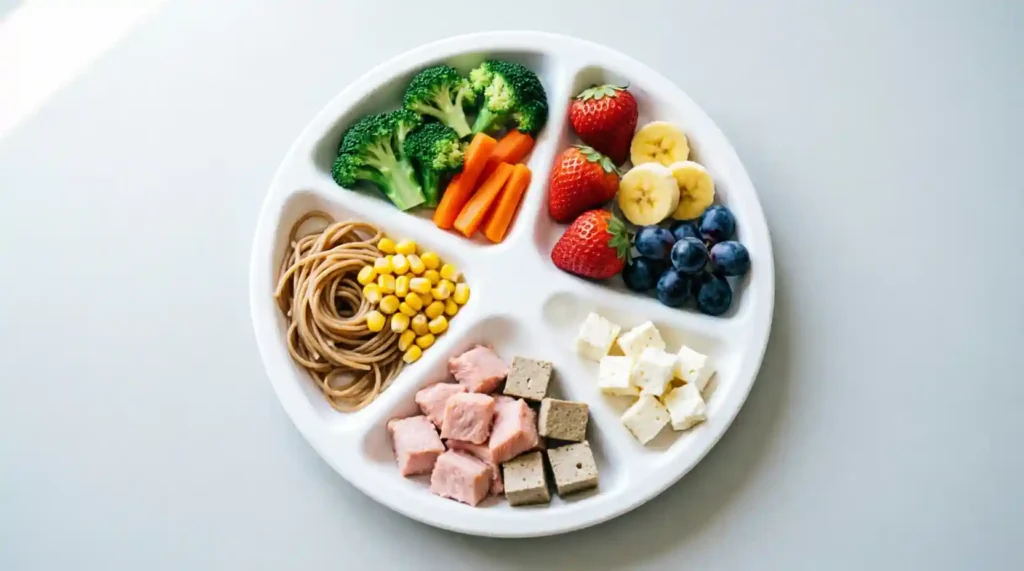
Healthy eating guidelines for children are practical principles that help parents choose nutritious foods and create balanced eating routines for kids.
Children need nutrients that support normal growth and development, including protein, carbohydrates, fats, vitamins, and minerals. However, children do not all need the same amount of food. Their nutritional needs change as they become older and can also vary with activity and growth.
A simple approach is to regularly include:
- Fruits and vegetables
- Whole-grain foods
- Protein-rich foods
- Dairy or appropriate alternatives
- Healthy sources of fat
- Water and other suitable drinks
Rather than focusing on one individual food, parents can look at the overall eating pattern across the day.
Why Healthy Eating Matters During Childhood
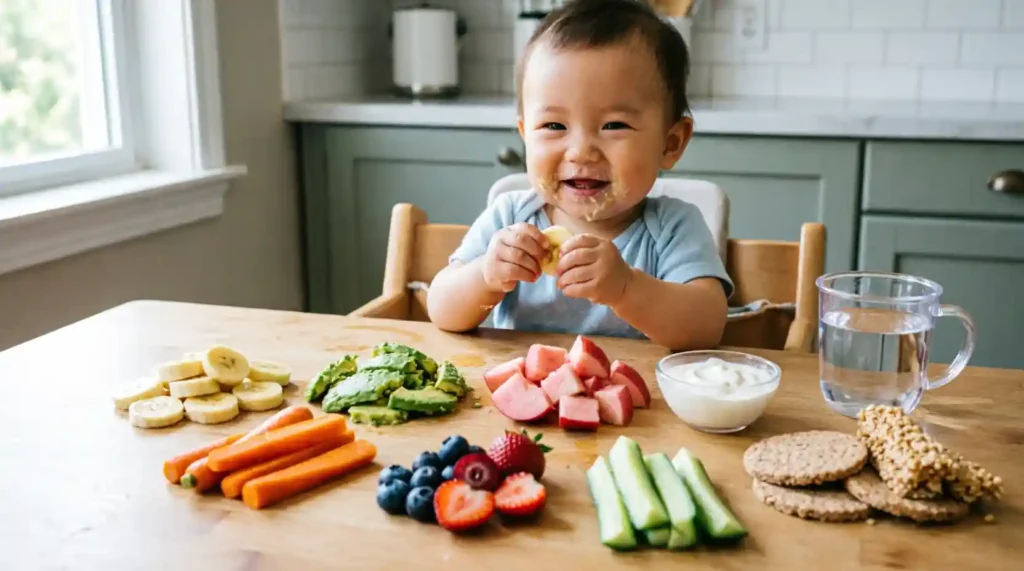
Food provides children with the energy and nutrients they need for everyday activities and normal development. Healthy eating patterns can support healthy growth, brain development, bones, muscles, digestion, and immune function.
Good eating habits can also become easier to maintain when children are introduced to a variety of nutritious foods from an early age. Early food experiences can influence eating habits later in life.
A healthy eating routine can help children:
- Get a variety of essential nutrients
- Maintain energy throughout the day
- Support normal growth
- Develop healthy food preferences
- Learn balanced eating habits
- Enjoy a wider variety of foods
- Build positive mealtime routines
The 5 Main Food Groups for Children
One of the easiest ways to understand children’s nutrition is to think about food groups.
Healthdirect’s guidance highlights five major food groups: fruit; vegetables, legumes and beans; grain foods; lean meat, fish, poultry and alternatives; and milk, yogurt, cheese and alternatives.
| Food Group | Examples | Why It Matters |
|---|---|---|
| Fruits | Apples, bananas, berries, oranges | Variety of vitamins, minerals and fiber |
| Vegetables | Carrots, spinach, peas, broccoli | Fiber and important nutrients |
| Whole grains | Oats, brown rice, whole-grain bread | Carbohydrates and fiber |
| Protein foods | Eggs, beans, lentils, fish, poultry | Supports growth and body tissues |
| Dairy/alternatives | Milk, yogurt, cheese, fortified alternatives | Calcium and other nutrients |
The exact combination can vary depending on the child’s age, dietary needs, culture, food availability, and family preferences.
1. Offer Plenty of Fruits and Vegetables
Fruits and vegetables should be regular parts of children’s meals and snacks. Offering different colors, textures, and varieties can make meals more interesting.
Fresh foods are useful, but frozen or canned options can also fit into a healthy eating pattern. When choosing canned fruits or vegetables, parents can look for options without added sugar or with lower sodium where appropriate.
Try simple options such as:
- Apple slices with yogurt
- Banana with oatmeal
- Carrot and cucumber sticks
- Berries with breakfast
- Peas mixed into rice
- Spinach added to eggs
- Roasted vegetables with dinner
A child may reject a food the first time it is offered. That does not necessarily mean they will never like it. Continue offering variety without turning mealtimes into a battle.
2. Choose Whole-Grain Foods More Often
Grain foods provide carbohydrates that help supply energy. When possible, choose whole-grain or higher-fiber options such as oats, whole-wheat bread, brown rice, quinoa, or whole-grain pasta. Mayo Clinic also includes whole grains among nutrient-dense choices for children.
Simple swaps can include:
- Oatmeal instead of highly sugary breakfast cereals
- Whole-grain toast instead of refined bread
- Brown rice mixed with vegetables
- Whole-grain pasta with beans or lean protein
- Homemade sandwiches using whole-grain bread
Children do not need every food to be a whole-grain food. The goal is to include nutritious choices regularly.
3. Include Protein-Rich Foods
Protein is an important part of a balanced children’s diet. Suitable sources can include eggs, fish, poultry, lean meats, beans, lentils, peas, tofu, nuts, and seeds, depending on the child’s age and dietary requirements.
For younger children, foods should be prepared in an age-appropriate form to reduce choking risks.
Easy meal ideas include:
- Egg with whole-grain toast
- Lentil soup with vegetables
- Chicken with rice and vegetables
- Bean and vegetable wraps
- Yogurt with fruit
- Fish with potatoes and vegetables
Families following vegetarian or vegan diets may need additional planning to ensure children receive appropriate nutrients.
4. Include Dairy or Suitable Alternatives
Milk, yogurt, cheese, and suitable fortified alternatives can contribute important nutrients to a child’s diet. The appropriate choice can depend on age and individual dietary needs.
For example, yogurt can be combined with fruit, cheese can be included in a sandwich, or milk can accompany a balanced breakfast.
Parents should consider the child’s age and dietary requirements rather than assuming that one type or amount of dairy is appropriate for every child.
5. Do Not Forget Healthy Fats
Fat is also part of a balanced diet. The quality of fat matters, so families can include sources of unsaturated fats such as avocado, nuts, seeds, nut or seed pastes, and suitable vegetable oils.
For younger children, nuts and other foods with choking risks should be prepared according to age-appropriate safety guidance.
A balanced meal might combine healthy fat with other food groups, such as avocado with whole-grain toast or yogurt with fruit and seeds when appropriate.
Healthy Eating Guidelines by Age
Children’s nutritional needs change as they grow. For example, guidance from Mayo Clinic provides different food-group amounts for children from ages 2 through 18, while Australian guidance also provides age-specific serving recommendations.
That means parents should avoid treating one serving chart as a universal prescription for every child.
| Age Group | Main Focus |
|---|---|
| Toddlers | Variety, age-appropriate textures, regular meals and snacks |
| Preschoolers | Food variety, vegetables, fruit, grains and protein |
| School-age children | Balanced meals, nutritious snacks and hydration |
| Preteens | Increasing variety and age-appropriate portions |
| Teenagers | Balanced meals, regular eating and higher nutritional needs during growth |
For children with medical conditions, allergies, food intolerances, growth concerns, or special dietary requirements, personalized guidance from a qualified healthcare professional or dietitian is more appropriate.
Build a Balanced Plate
Parents do not need complicated recipes to create nutritious meals.
A simple balanced meal can contain:
Vegetables or fruit + a grain/starchy food + protein + a suitable dairy or alternative + water
For example:
Breakfast: Oatmeal + banana + yogurt
Lunch: Whole-grain sandwich + chicken or beans + cucumber + fruit
Snack: Apple + yogurt
Dinner: Rice or whole-grain pasta + vegetables + fish, chicken, beans, or lentils
The exact portion should be appropriate for the child’s age and appetite rather than forcing a child to finish a fixed amount.
Healthy Snacks for Children
Snacks can be useful between meals, especially for active or growing children. Instead of making snacks mainly about sweets or packaged foods, offer simple combinations from nutritious food groups.
Some ideas include:
- Fresh fruit
- Yogurt and berries
- Vegetable sticks with a suitable dip
- Whole-grain toast
- Cheese with fruit
- Oatmeal
- Homemade sandwiches
- Unsweetened cereal with milk
- Boiled egg
- Fruit and yogurt smoothie without added sugar
Keeping fruit visible and convenient can make healthier snack choices easier for children. Healthdirect also recommends keeping fruit available for snacks and involving children in food preparation.
Water Should Be the Main Everyday Drink
Hydration is another important part of healthy eating habits for kids.
Water is generally the simplest everyday drink for children. Raising Children Network specifically identifies water as the best drink for children and recommends limiting soft drinks, fruit juices, flavored drinks, sports drinks, and energy drinks for children.
Parents can encourage water by:
- Keeping a reusable water bottle available
- Offering water with meals
- Sending water to school
- Offering water after physical activity
- Making water easily accessible at home
Children’s fluid needs vary with age, activity, weather, and other factors, so there is not one universal amount that applies to every child.
Foods and Drinks to Limit
Healthy eating does not mean children can never have treats. Instead, foods high in added sugar, saturated fat, and salt are generally best limited rather than becoming everyday staples.
Examples include:
- Sugary soft drinks
- Candy and confectionery
- Cakes and biscuits
- Highly processed snacks
- Fried takeaway foods
- Some processed meats
- Foods high in added salt
- Sweetened drinks
A useful approach is to make nutritious foods the normal choice while allowing occasional treats without creating unnecessary fear or guilt around food.
Healthy Eating Habits for School Children
School days can make healthy eating more challenging because children may spend many hours away from home.
Parents can prepare simple lunches containing a combination of food groups.
For example:
Lunch box idea
- Whole-grain sandwich
- Fruit
- Vegetable sticks
- Yogurt
- Water
Parents can also involve children in choosing between healthy options. Giving children some control can make them more interested in what they eat.
How to Handle Picky Eating
Picky eating is common during childhood. Instead of forcing a child to eat a particular food, parents can continue offering variety in a calm environment.
Try these strategies:
- Offer small portions of unfamiliar foods.
- Combine a new food with a familiar favorite.
- Let children help prepare meals.
- Avoid making every meal a negotiation.
- Keep mealtimes relaxed.
- Introduce different colors and textures.
- Be a positive role model by eating a variety of foods yourself.
Healthdirect recommends involving children in food shopping and preparation and making healthy foods fun.
Make Family Mealtimes Part of the Routine
Healthy eating is also about the environment surrounding food.
Family meals can give children an opportunity to observe healthy eating behaviors. Healthdirect recommends sitting together at mealtimes without screens and involving children in food preparation.
A simple family routine could look like:
| Time | Example |
|---|---|
| Breakfast | Oatmeal, fruit and yogurt |
| Morning | Water and a small snack if needed |
| Lunch | Whole grain + protein + vegetables + fruit |
| Afternoon | Fruit, yogurt or another nutritious snack |
| Dinner | Vegetables + grain/starchy food + protein |
| Evening | Water if thirsty |
This is only an example, not a fixed schedule. Children’s eating patterns can differ.
Common Healthy Eating Mistakes Parents Can Avoid
Even when parents have good intentions, some habits can make healthy eating more difficult.
Avoid:
- Making vegetables a punishment
- Forcing children to clean their plates
- Offering sugary drinks throughout the day
- Making treats the main reward
- Serving the same limited foods repeatedly
- Skipping breakfast because mornings are busy
- Treating one food as a “perfect” food
- Comparing one child’s appetite with another child’s appetite
Instead, focus on variety, regularity, balance, and a positive mealtime environment.
A Simple Healthy Eating Checklist for Parents
Use this quick checklist when planning your child’s meals:
- Fruit is available every day.
- Vegetables are offered regularly.
- Whole-grain foods are included often.
- Protein foods are included in meals.
- Dairy or suitable alternatives are available.
- Healthy fat sources are included where appropriate.
- Water is easily available.
- Sugary drinks are limited.
- Highly processed foods are not the main part of the diet.
- Children are encouraged to try different foods.
- Family mealtimes are relaxed.
- Food is not routinely used as punishment or reward.
Conclusion
Following healthy eating guidelines for children does not require complicated meal plans or perfect food choices. The most useful approach is to build a routine around variety, balance, nutritious foods, water, age-appropriate portions, and a positive relationship with food.
Offer children different fruits and vegetables, whole grains, protein foods, dairy or suitable alternatives, and healthy fat sources. Limit sugary drinks and highly processed foods, while keeping family mealtimes relaxed and encouraging children to participate in food choices.
Most importantly, remember that children’s needs change as they grow. A healthy eating routine should support the individual child rather than forcing every child into exactly the same eating pattern. When specific nutritional or health concerns exist, personalized advice from a qualified professional is the safest choice.
Frequently Asked Questions
What are the basic healthy eating guidelines for children?
The basic approach is to offer a variety of fruits, vegetables, whole grains, protein foods, dairy or suitable alternatives, and healthy fats while limiting foods and drinks high in added sugar, salt, and saturated fat.
How many servings of fruit and vegetables should children eat?
The amount depends on age and the dietary guideline being followed. Different countries use different serving systems, so parents should use age-appropriate guidance rather than one universal number.
What should children drink every day?
Water is generally the best everyday drink for children. Milk or suitable alternatives may also form part of a balanced diet depending on age and dietary needs. Sugary drinks should be limited.
Are snacks healthy for children?
Yes. Nutritious snacks can help fit additional food into a child’s day. Fruit, yogurt, vegetables, whole-grain foods, and other balanced options can be useful choices.
Should parents completely ban sweets?
A complete ban is not necessary for most children. A better approach is to make nutritious foods the normal everyday choices and keep foods high in added sugar, salt, and saturated fat for occasional consumption.
What if my child refuses vegetables?
Continue offering vegetables without forcing the child to eat them. Try different preparations, colors, textures, and combinations with familiar foods. Children may need repeated exposure before accepting a new food.
Do all children need the same amount of food?
No. Food needs vary according to age, growth, activity, and individual circumstances. Even children of the same age can have different appetites and nutritional needs.
When should parents ask a professional for nutrition advice?
Parents should seek professional guidance when they have concerns about a child’s growth, diet, allergies, food intolerance, restricted eating, or other nutrition-related issues. A qualified healthcare professional or dietitian can provide advice based on the child’s individual needs.