
When people search for the best product in the world for health, they often expect one simple answer. Maybe they are looking for a famous supplement, a superfood, a wellness drink, or a product that promises multiple health benefits.
But healthy living does not work quite that way.
There is no single food, supplement, or wellness product that can provide everything your body needs. Good health is built from a combination of nutritious foods, adequate hydration, regular movement, quality sleep, stress management, and sustainable everyday habits.
That does not mean health products are useless. The right product can be a convenient addition to a healthy lifestyle when it provides genuine nutritional value and fits your individual needs.
The real question is therefore not simply “What is the best product in the world for health?” but rather:
“What makes a health product genuinely valuable, and how can you choose one that supports your lifestyle?”
This guide takes a practical approach. Instead of promoting one particular brand or calling one food a miracle solution, it explains what to look for in health products, how whole foods compare with supplements, which nutrients matter, and how to make smarter choices for everyday wellness.
What Makes the Best Product in the World for Health?
The phrase best product in the world for health sounds as though there should be one universal winner. In reality, the best choice can vary from person to person.
A product that is useful for an active adult may not be necessary for someone with a different lifestyle. Likewise, a food that provides plenty of protein may not be the best choice for someone whose diet already contains enough protein but lacks fiber or vegetables.
A genuinely useful health product should have several qualities.
It Should Provide Real Value
The product should offer meaningful nutritional or practical benefits rather than relying mainly on impressive marketing.
It Should Fit Your Lifestyle
A product is more useful when you can realistically include it in your normal routine.
It Should Have Clear Ingredients
You should be able to understand what you are consuming and why the ingredients are included.
It Should Support, Not Replace, Healthy Habits
A supplement or wellness product should not become an excuse to ignore nutritious meals, sleep, exercise, or hydration.
It Should Match Your Personal Needs
Age, activity level, dietary preferences, allergies, and individual nutritional needs can all influence which products make sense.
Is There Really One Best Health Product?
No single product can be considered the best for every person.
Your body needs a variety of nutrients, including protein, carbohydrates, healthy fats, vitamins, minerals, fiber, and fluids. These nutrients come from different foods and food groups.
For example, vegetables can provide vitamins, minerals, fiber, and plant compounds. Fruits provide carbohydrates, fiber, vitamins, and various plant nutrients. Fish can provide protein and beneficial fats. Beans can provide both protein and fiber.
This is why variety is more useful than searching for one magical product.
| Health Need | Useful Choices |
|---|---|
| Hydration | Water, hydrating foods |
| Protein | Eggs, fish, beans, yogurt, lean meats |
| Fiber | Vegetables, fruits, legumes, whole grains |
| Healthy fats | Nuts, seeds, fish, avocado |
| Vitamins and minerals | Colorful vegetables, fruits, dairy or alternatives |
| Plant nutrients | Berries, leafy greens, colorful produce |
| Convenient nutrition | Carefully selected nutritious products |
The strongest lifestyle approach combines several of these choices instead of depending on one item.
Whole Foods vs. Health Products
One of the most important things to understand is the difference between whole foods and manufactured health products.
Whole foods can provide multiple nutrients together. A bowl of oatmeal with berries and nuts, for example, can provide carbohydrates, fiber, healthy fats, vitamins, minerals, and plant compounds.
A health product may be designed to provide a particular nutrient or combination of nutrients in a convenient format.
Neither category automatically wins in every situation.
Benefits of Whole Foods
Whole foods can provide:
- Multiple nutrients
- Natural sources of fiber
- Protein
- Healthy fats
- Vitamins and minerals
- Plant compounds
- Greater variety within a balanced diet
They can also make meals more satisfying and enjoyable.
Benefits of Health Products
Some health products can offer:
- Convenience
- Portability
- Easy preparation
- Specific nutrients
- Practical options for busy lifestyles
However, convenience should not be confused with nutritional superiority.
The best approach is often to use nutritious foods as the foundation and consider products according to individual needs.
Nutrients That Matter Most for a Healthy Lifestyle
Understanding nutrients makes it easier to judge whether a product is genuinely useful.
Protein
Protein is an important part of a balanced diet and supports the body’s normal functions.
Good sources include:
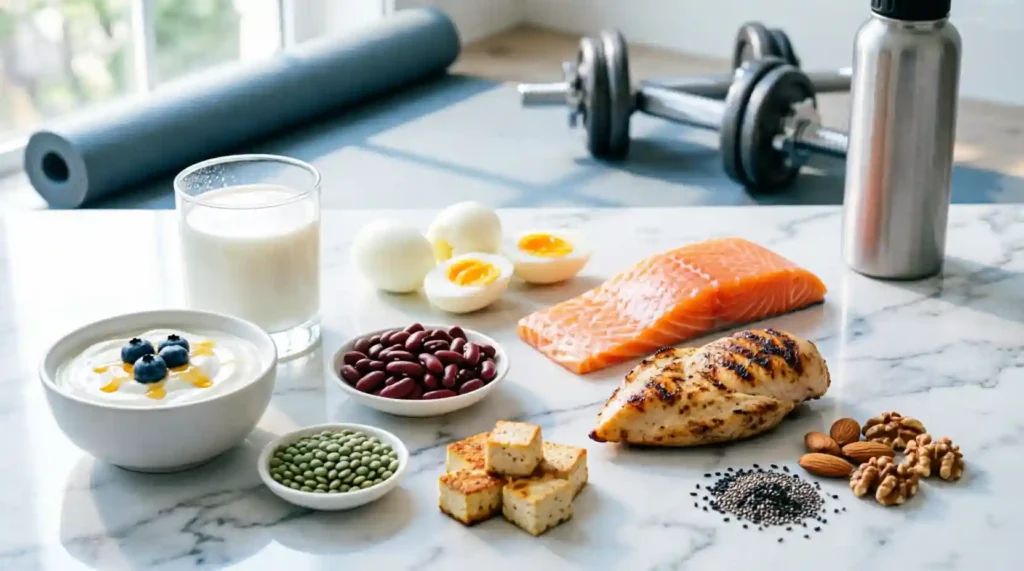
may pay particular attention to protein intake, but protein is important across different stages of life.
Fiber
Fiber is another important part of a healthy eating pattern.
Good sources include:
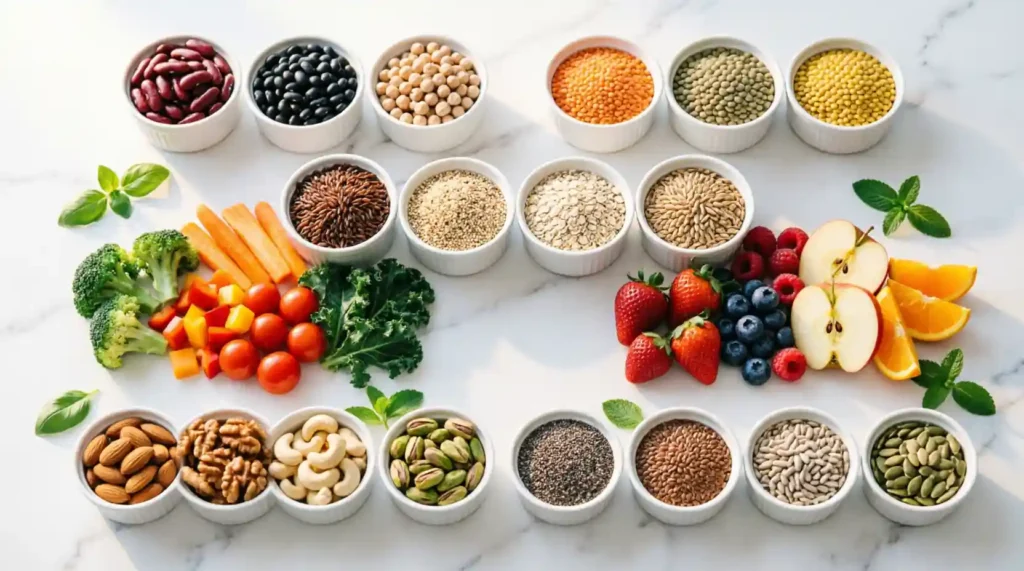
Choosing foods that naturally provide fiber can make your overall diet more nutrient-rich.
Healthy Fats
Fat is not something that needs to be completely removed from a healthy diet.
Foods such as nuts, seeds, avocado, and fish provide beneficial fats that can fit into balanced eating.
The key is choosing quality sources and maintaining appropriate portions.
Vitamins and Minerals
Your body needs many different vitamins and minerals for normal functions.
This is another reason variety matters.
Instead of depending on one product to provide everything, include different food groups throughout your meals.
Water
Water is one of the simplest and most important parts of everyday wellness.
People sometimes focus heavily on supplements while forgetting basic hydration.
Making water a regular part of your daily routine is a simple habit that supports overall well-being.
Best Health-Focused Food Categories
Rather than searching endlessly for one perfect product, build your lifestyle around several nutrient-rich food categories.
Leafy Green Vegetables
Spinach, kale, broccoli, and other green vegetables can contribute vitamins, minerals, fiber, and plant compounds.
Berries and Other Fruits
Berries provide fiber and naturally occurring plant compounds, while other fruits add variety and important nutrients.
Fish;Fish can provide protein and beneficial fats, making it a useful choice for many balanced eating patterns.
Beans and Lentils:Legumes are especially useful because they can provide both protein and fiber.
Whole Grains:Oats, brown rice, barley, and other whole grains can contribute fiber and other nutrients.
Nuts and Seeds:Nuts and seeds provide healthy fats, protein, fiber, and minerals.
Yogurt:Yogurt can provide protein and calcium, depending on the type selected.
Eggs:Eggs are a convenient source of protein and several nutrients.
How to Choose a Health Product
Walking into a store or browsing an online health section can be overwhelming. Hundreds of products may claim to support energy, immunity, fitness, digestion, weight management, or overall wellness.
Instead of choosing based on packaging, use a simple evaluation process.
1. Read the Ingredient List
Look at what is actually inside the product.
Do not judge a product only by words printed on the front of the package.
2. Check the Nutrition Information
Look at:
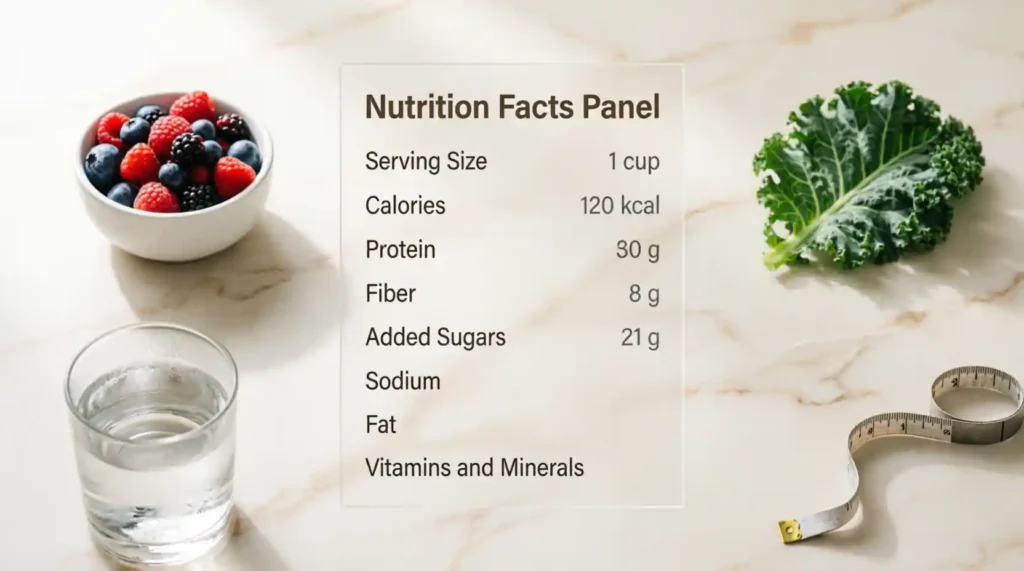
This gives you a clearer picture of the product.
3. Consider Your Existing Diet
If you already get plenty of a particular nutrient from food, you may not need a product that adds large amounts of the same nutrient.
4. Think About Your Goal
Are you looking for convenience, protein, hydration, or help filling a nutritional gap?
A clear goal makes choosing easier.
5. Avoid Unrealistic Promises
Be cautious with products that claim to produce dramatic results instantly.
Healthy lifestyle improvements usually involve several consistent habits rather than one miracle product.
Health Product Selection by Lifestyle
Your lifestyle can influence what type of product is practical for you.
| Lifestyle | What to Prioritize |
| Busy professional | Convenient nutrient-dense meals and snacks |
| Active person | Protein, hydration, and balanced meals |
| Student | Affordable nutritious foods and regular meals |
| Older adult | Nutrient density, protein, hydration, and dietary variety |
| Frequent traveler | Portable nutritious options |
| Home-based lifestyle | Variety of whole foods and balanced meals |
This does not mean that each group needs a special supplement. It simply shows why the definition of the best product in the world for health can change depending on circumstances.
The Role of Superfoods in Healthy Living
The word “superfood” is popular in wellness marketing, but it can create unrealistic expectations.
A food can be exceptionally nutritious without being a complete solution.
For example, berries can be a wonderful addition to a healthy diet, but they cannot provide all the protein, fats, minerals, and other nutrients your body needs.
The same applies to leafy greens, fish, nuts, seeds, or any other highly nutritious food.
The Better Approach
Think of superfoods as valuable parts of a healthy diet, not replacements for a balanced diet.
A colorful plate containing several food groups is generally a more practical approach than trying to identify one perfect ingredient.
Supplements: When Convenience Can Be Helpful
Supplements can be useful in particular circumstances, but they should be approached thoughtfully.
Someone may need additional nutrients because of dietary restrictions, a nutritional deficiency, life stage, or guidance from a healthcare professional.
However, taking several supplements simply because they are popular does not automatically create a healthier lifestyle.
Before adding a supplement, consider:
- Why you want to take it
- Whether your diet already provides the nutrient
- Whether the dose is appropriate
- Whether it could interact with medication
- Whether a healthcare professional has recommended it
This is especially important for people who take prescription medications or have specific health concerns.
Common Mistakes When Choosing Health Products
Beautiful packaging and impressive claims do not prove that a product is right for you.
Thinking More Ingredients Means Better Quality:
A long ingredient list is not automatically a sign of superior nutrition.
Replacing Healthy Meals With Products:
A shake, bar, or supplement can be convenient, but it should not automatically replace a varied diet.
Ignoring Added Sugar: Some products marketed for health can contain significant amounts of added sugar.
Always check the nutrition information.
Forgetting Portion Size: Even nutritious foods and products should be consumed in appropriate amounts.
Expecting Instant Results :A healthy lifestyle is built over time.
A product cannot compensate for consistently poor sleep, inactivity, inadequate nutrition, or chronic unhealthy habits.
How to Build a Balanced Daily Health Routine
The best health product becomes much less important when your basic lifestyle habits are already strong.
A simple daily framework can include:
Start With Hydration: Begin your day by making water a regular part of your routine.
Include Protein; Add a quality protein source to meals according to your dietary needs.
Eat Colorful Produce: Try to include different fruits and vegetables rather than repeating the same food every day.
Choose Whole-Grain Options: When appropriate, choose whole grains that provide more fiber and nutrients.
Add Healthy Fats: Nuts, seeds, fish, and avocado can add beneficial fats to meals.
Stay Physically Active; Regular movement supports a healthy lifestyle alongside good nutrition.
Prioritize Sleep: Nutrition is only one part of wellness. Consistent, quality sleep also matters.
Manage Stress: Simple habits such as walking, relaxing, spending time with loved ones, or practicing enjoyable hobbies can help create a more balanced lifestyle.
A Simple Health Product Comparison
| Factor | High-Quality Choice | Less Helpful Choice |
| Ingredients | Clear and purposeful | Difficult to understand |
| Nutrition | Provides useful nutrients | Mostly empty calories |
| Sugar | Reasonable amount | Excessive added sugar |
| Purpose | Clear nutritional role | Vague promises |
| Evidence | Supported claims | Dramatic unsupported claims |
| Lifestyle Fit | Easy to use consistently | Difficult or unnecessary |
| Overall Diet | Complements healthy eating | Replaces nutritious meals |
This framework can help you make better choices without becoming overwhelmed by health-product marketing.
Why Balance Matters More Than a “Perfect” Product
One of the biggest misconceptions in wellness is that health comes from finding the perfect product.
In reality, healthy living is usually much less exciting—but much more sustainable.
A balanced diet, regular movement, enough sleep, hydration, stress management, and sensible food choices work together.
You do not need to completely transform your lifestyle overnight.
Instead, focus on improvements you can maintain.
For example:
- Add one more serving of vegetables.
- Drink more water.
- Replace a highly processed snack with fruit and nuts.
- Add a protein source to breakfast.
- Walk regularly.
- Improve your sleep schedule.
- Reduce unnecessary sugary drinks.
Small improvements can become meaningful when repeated consistently.
What Should You Look for in a Truly Healthy Product?
Before buying any health-focused product, ask yourself these questions:
Does it provide useful nutrition?
Do I actually need it?
Can I understand the ingredients?
Does it fit my lifestyle?
Is the health claim realistic?
Can I use it consistently?
Does it complement my normal diet?
If the answer to most of these questions is yes, the product may have a reasonable place in your lifestyle.
Final Thoughts
The idea of the best product in the world for health is appealing because everyone wants a simple solution. But healthy living is not based on one magical food, supplement, or wellness product.
The better solution is to understand what your body needs and choose products that genuinely support those needs.
Nutrient-rich foods, adequate hydration, quality protein, fiber, healthy fats, fruits, vegetables, whole grains, and a variety of foods provide a strong foundation. Carefully selected health products can complement that foundation when they offer a clear and useful purpose.
Most importantly, do not let marketing convince you that one product can replace a healthy lifestyle.
The best choice is the one that provides real value, fits your individual needs, and helps you maintain healthier habits over time.
FAQs
What is the best product in the world for health?
There is no single product that is universally best for everyone. A combination of nutrient-rich foods, hydration, physical activity, sleep, and other healthy lifestyle habits provides a stronger foundation for overall wellness.
Is there one food that provides everything the body needs?
No. Different foods provide different nutrients, which is why dietary variety is important.
Are health supplements necessary for everyone?
No. Supplement needs vary between individuals. Some people may benefit from specific supplements, while others can obtain sufficient nutrients through their diet.
Are superfoods healthier than ordinary foods?
Some foods marketed as superfoods are highly nutritious, but no single food can provide everything the body needs. Variety remains important.
What should I check before buying a health product?
Review the ingredient list, serving size, nutrition information, added sugar, sodium, purpose, and health claims. Also consider whether the product fits your personal needs.
Can a health product replace a balanced diet?
Generally, a health product should not be viewed as a complete replacement for a varied diet. Whole foods provide a broad combination of nutrients and can form the foundation of healthy eating.
What is more important: food or supplements?
Food should generally be the foundation of nutrition, while supplements can have a role in specific situations. Individual needs can vary.
How can I make healthier choices every day?
Start with simple habits: drink enough water, eat a variety of fruits and vegetables, include quality protein and fiber, choose nutritious fats, stay active, sleep well, and avoid relying on one product as a quick solution