
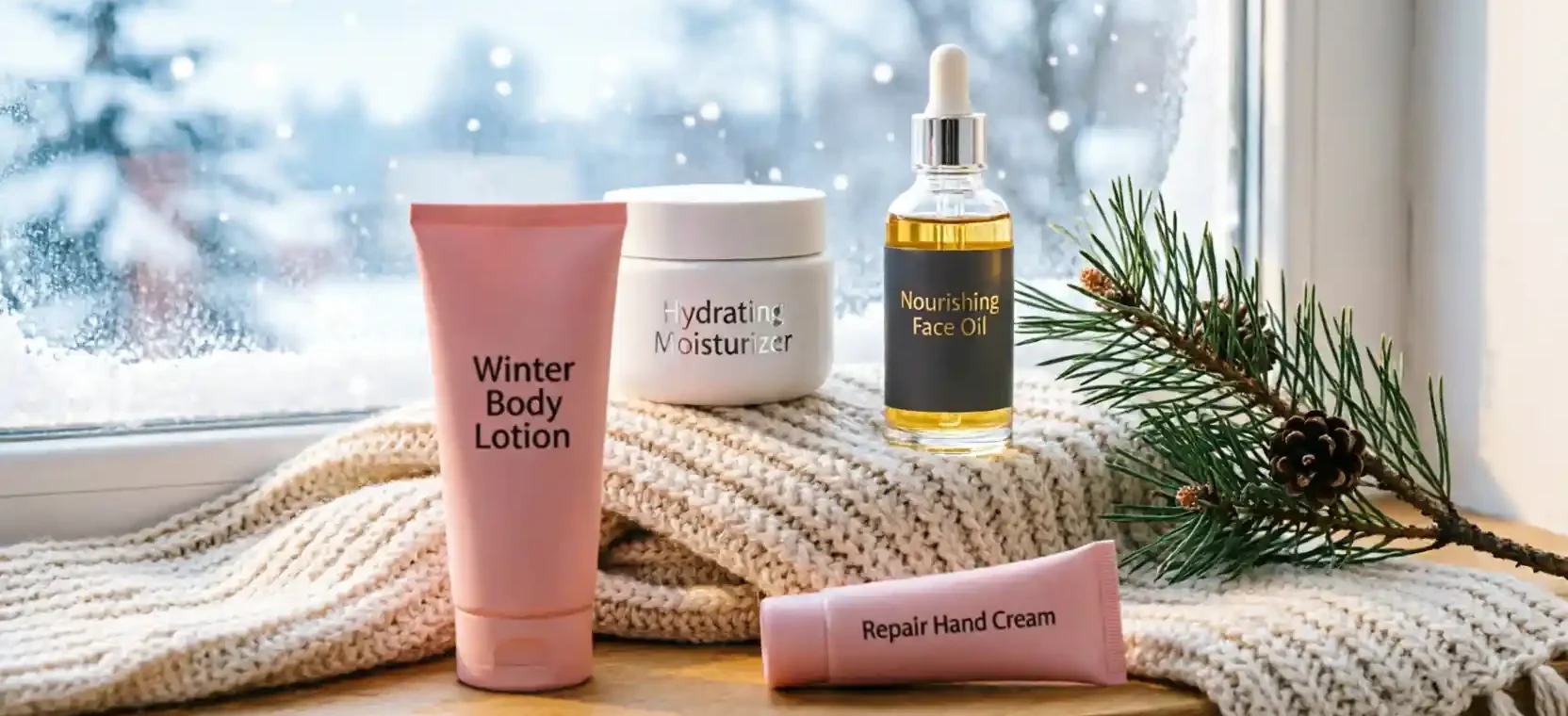
Cold weather can completely change the way your skin looks and feels. As temperatures fall, cold winds, low humidity, indoor heating, and hot showers can leave skin feeling tight, rough, flaky, or uncomfortable. Even if your skin normally feels balanced, winter may make it more sensitive or dehydrated.
The good news is that you do not need a complicated collection of products to maintain healthy-looking skin throughout the season. The right routine is more about protecting your skin barrier, maintaining moisture, avoiding unnecessary irritation, and choosing products that match your skin type.
The best Winter Skincare Tips are simple enough to follow every day. Gentle cleansing, regular moisturizing, sensible exfoliation, lip care, hand protection, and daytime sunscreen can create a much more comfortable winter routine.
Rather than completely changing everything you use, make small adjustments according to how your skin responds to the colder environment.
Why Does Winter Affect Your Skin?
Winter conditions can increase moisture loss from the skin. Cold outdoor air is generally less humid, while indoor heating can make the environment even drier. Frequent hot showers can also remove some of the skin’s natural oils.
This combination may cause:

It is also important to remember that oily skin is not automatically protected from winter dryness. Someone with oily skin can still experience dehydration if they use harsh cleansers or drying treatments.
This is why winter skincare should focus on balance rather than simply adding heavier products.
Build a Simple Winter Skincare Routine
A good winter routine does not need to be long. The goal is to give your skin gentle cleansing, enough hydration, and protection without overwhelming it.
Morning Routine
Start with a gentle cleanser if your skin needs cleansing in the morning. Avoid formulas that leave your face feeling extremely tight immediately afterward.
If your skin feels dehydrated, you can add a simple hydrating serum. Ingredients such as glycerin and hyaluronic acid are commonly used in skincare products designed to attract and retain moisture.
Follow with moisturizer. Dry skin may prefer a richer cream, while oily or combination skin can usually choose a lighter lotion or gel texture.
Finish your daytime routine with broad-spectrum sunscreen. Winter weather does not mean UV exposure disappears, particularly when you spend time outdoors.
Night Routine
At night, remove makeup and sunscreen before applying skincare.
Use a gentle cleanser and then apply any targeted treatment that fits your normal routine. Avoid introducing multiple strong active ingredients simply because your skin appears dull or flaky.
Finish with moisturizer. If your skin is particularly dry, you may prefer a richer nighttime formula.
Consistency is more important than having a complicated routine.
Choose Products According to Your Skin Type
One of the biggest mistakes people make during winter is assuming that everyone needs the same products. Your skin type should guide your choices.
Dry Skin
Dry skin may benefit from richer moisturizers and barrier-supporting ingredients such as ceramides, glycerin, and shea butter.
Instead of repeatedly scrubbing away flakes, concentrate on gentle cleansing and consistent moisturization.
If your skin feels tight throughout the day, consider whether your current moisturizer is providing enough comfort.
Oily Skin
Oily skin still needs hydration during winter.
Instead of completely avoiding moisturizer, choose a lightweight, non-comedogenic formula. Very harsh cleansers and excessive drying products can leave oily skin uncomfortable and dehydrated.
If your face feels tight after cleansing but becomes oily later, your routine may need more balanced hydration rather than stronger oil-control products.
Combination Skin
Combination skin often needs different levels of moisture across the face.
A lightweight moisturizer may work well overall, while a richer cream can be applied only to areas that become particularly dry.
Pay attention to how different areas respond instead of treating your entire face exactly the same way.
Sensitive Skin
Sensitive skin usually benefits from keeping things simple.
Avoid introducing several new products at once. If your skin reacts easily, gentle and fragrance-free options may be more comfortable.
If a product causes persistent burning, swelling, or significant irritation, stop using it and seek professional advice.
Protect Your Skin Barrier and Avoid Common Irritants
Your skin barrier helps keep moisture inside and protects the surface from environmental stress. During winter, protecting this barrier can be more useful than constantly adding new treatments.
One of the easiest changes is reducing unnecessary cleansing. Washing your face repeatedly can remove more natural oil than your skin needs to lose.
You should also be careful with very hot water. A hot shower may feel relaxing after spending time outside, but excessive heat can contribute to dryness. Lukewarm water is a gentler option.
Exfoliation also needs attention. Dry, flaky skin does not always mean that you need more scrubbing. Over-exfoliation can make already-sensitive skin feel worse.
If you use exfoliating acids, scrubs, or other active treatments, consider reducing their frequency when your skin becomes unusually dry or irritated.
The aim is not to remove every trace of texture. It is to keep your skin comfortable and healthy-looking.
Do Not Forget Hands, Lips and Body Care
Winter dryness does not affect only your face. Hands, lips, elbows, knees, feet, and legs can also become rough.
Frequent hand washing combined with cold outdoor air can leave your hands dry and uncomfortable. Keep a hand cream nearby and apply it whenever needed, especially after washing.
Lips are particularly vulnerable because they have less natural oil protection than many other areas. A moisturizing lip balm can help keep them comfortable throughout the day. Apply it before going outside and before bed, and avoid repeatedly licking or peeling dry skin.
Your body may also need more attention during winter. Use a gentle body cleanser and apply lotion or cream after bathing. Pay extra attention to areas that become rough, such as elbows, knees, ankles, and hands.
The timing of moisturizer can also matter. Applying it while your skin is slightly damp can help your body feel softer and more comfortable.
Make Small Changes to Your Winter Environment
Your skincare products are not the only things that influence how your skin feels.
Indoor heating can make the air dry, which may contribute to moisture loss. If the air inside your home feels particularly dry, a humidifier may help add moisture to the environment.
You should also avoid sitting directly in front of a strong heater for long periods when possible.
Clothing can make a difference too. Rough fabrics may irritate already-sensitive skin. If wool or another material feels scratchy, wearing a softer layer underneath can reduce direct contact.
These small environmental changes can support your skincare routine without requiring additional beauty products.
Support Healthy Skin With Everyday Habits
Healthy-looking skin is not created by skincare products alone.
| Everyday Habit | How It Helps Your Skin | Simple Way to Follow |
|---|---|---|
| Stay Hydrated | Supports overall hydration | Drink water regularly throughout the day |
| Eat a Balanced Diet | Provides important nutrients | Include fruits, vegetables, protein, and healthy fats |
| Get Enough Sleep | Supports overall skin and body health | Maintain a consistent sleep routine |
| Manage Stress | Helps support healthy daily habits | Take breaks, walk, relax, or practice calming activities |
| Stay Physically Active | Supports circulation and overall wellness | Include regular walking or other enjoyable movement |
| Avoid Smoking | Helps protect overall skin health | Avoid smoking and secondhand smoke when possible |
Winter Makeup Tips for a Smoother Look
Winter dryness can also affect the way makeup sits on your skin.
If your foundation looks patchy or emphasizes flakes, start by improving the skin underneath rather than simply applying more makeup.
Gently cleanse and moisturize before makeup application. Give your moisturizer some time to settle before applying foundation.
If your skin is dry, avoid using excessive amounts of powder because it can make rough texture more noticeable.
A natural or hydrating-looking base may create a softer appearance than an extremely matte formula.
For lips, apply balm before lipstick and allow it to absorb. This can make the final lip color look more comfortable and even.
Common Winter Skincare Mistakes to Avoid
Some winter skincare problems come from habits rather than a lack of products.
Using extremely hot water is one common mistake. Switch to lukewarm water when possible.
Skipping moisturizer because your skin is oily is another. Oily skin can still become dehydrated.
Exfoliating too frequently can increase irritation. If your skin is already sensitive, give it time to recover.
Changing your entire routine at once can also create problems. If you introduce several new products simultaneously, it becomes difficult to identify which one is causing irritation.
Forgetting sunscreen is another mistake. Cold temperatures do not eliminate the need for daytime sun protection.
Finally, do not assume every flaky patch needs to be scrubbed away. Sometimes the better approach is simply gentler cleansing and more consistent moisturization.
When Should You See a Dermatologist?
Most seasonal dryness can be managed with simple skincare adjustments, but persistent or severe symptoms should not always be treated as ordinary winter dryness.
If your skin becomes severely cracked, painful, persistently inflamed, or does not improve after simplifying your routine, consider speaking with a dermatologist.
People with conditions such as eczema or psoriasis may experience increased symptoms during colder months and may need personalized treatment.
A professional can help determine whether the problem is simply seasonal dryness or something that requires specific care.
Conclusion
Winter does not have to mean constantly dealing with dry, uncomfortable skin. A simple routine built around gentle cleansing, regular moisturizing, barrier protection, lip care, and daytime sunscreen can help your skin stay comfortable throughout the season
Ready to improve your winter routine? Start with a gentle cleanser, a suitable moisturizer, daily sunscreen, and regular lip and hand care. Small changes can make your skincare routine more comfortable and effective throughout the colder months.
FAQs
What are the most important winter skincare steps?
Gentle cleansing, consistent moisturizing, sunscreen, lip care, and protection from cold and dry conditions are the basic steps to prioritize.
Can oily skin become dry during winter?
Yes. Oily skin can still become dehydrated because of cold air, indoor heating, harsh cleansers, or excessive use of drying products.
Should I use a thicker moisturizer in winter?
Dry skin may benefit from a richer cream, while oily skin may feel better with a lightweight moisturizer. Choose the texture based on your skin’s needs.
Should I stop exfoliating during winter?
You do not necessarily have to stop, but you may need to reduce the frequency. Avoid aggressive exfoliation when your skin is dry, irritated, or cracked.
Do I still need sunscreen in winter?
Yes. Lower temperatures do not remove UV exposure, so sunscreen can remain an important part of your daytime routine.
How can I prevent dry lips during winter?
Apply a moisturizing lip balm regularly, especially before going outside and before bed. Avoid licking, biting, or peeling dry skin from your lips.
Is hot water bad for dry skin?
Very hot water can remove natural oils and contribute to dryness. Lukewarm water is generally a gentler choice.
What should I do if my skin becomes severely dry?
Simplify your routine, avoid irritating products, moisturize regularly, and consider seeing a dermatologist if severe dryness, cracking, pain, or inflammation continues.