
Self-care for men means making time for habits that support physical comfort, emotional well-being, mental clarity, and a balanced lifestyle. It is not limited to visiting a gym, buying grooming products, or taking a day off. It also includes getting enough rest, enjoying hobbies, maintaining friendships, and recognizing when you need support.
Many men balance demanding jobs, family responsibilities, financial pressures, and personal goals. When every day revolves around meeting other people’s expectations, personal needs can easily move to the bottom of the list.
However, taking care of yourself does not mean ignoring your responsibilities. It means developing sustainable habits that help you manage everyday demands more effectively.
For example, a short walk after work, a consistent bedtime, a simple skincare routine, or an honest conversation with a trusted friend can become meaningful parts of your wellness routine.
The best approach is to start with small actions that fit your life rather than trying to change everything at once.
Why Self-Care Matters for Men
Self-care supports the everyday habits that help you feel rested, organized, and connected to your life. It can also help you recognize stress before it becomes difficult to manage.
Men may sometimes feel pressure to appear strong, solve problems independently, or avoid discussing difficult emotions. Yet asking for help and acknowledging personal needs are normal parts of taking care of yourself.
A balanced self-care routine can help you focus on several areas of well-being.
- Physical wellness: Supporting your body through movement, nutritious meals, personal hygiene, and rest.
- Mental wellness: Making space for relaxation, hobbies, reflection, and manageable daily goals.
- Emotional wellness: Recognizing feelings, expressing concerns, and developing healthy ways to respond to stress.
- Social wellness: Maintaining friendships and spending meaningful time with people you trust.
- Lifestyle balance: Creating boundaries around work, personal time, and digital distractions.
You do not need a perfect routine to experience the value of these habits. Consistency and flexibility are more useful than following an unrealistic schedule.
Physical Self-Care Habits Every Man Can Practice
Physical self-care starts with everyday decisions that support your body’s basic needs. You do not need expensive equipment or a complicated wellness plan to begin.
1. Make Movement Part of Your Day
Regular physical activity can support general health, mood, and sleep. Choose activities that you enjoy, such as walking, cycling, swimming, dancing, or strength training.
If you spend most of your day sitting, take short movement breaks between tasks. You could walk during a phone call, stretch after finishing work, or take the stairs when practical.
For adults, a widely recommended goal is at least 150 minutes of moderate-intensity aerobic activity each week, alongside muscle-strengthening activities on two days. Start at a level that suits your current fitness and build gradually.
The important thing is to find movement you can maintain instead of forcing yourself into a routine you dislike.
2. Build a Simple Grooming Routine
Personal grooming can help you feel comfortable and prepared for everyday activities. Keep your routine straightforward and suitable for your needs.
Useful habits include:
- Shower regularly and maintain personal hygiene.
- Brush your teeth twice daily and floss regularly.
- Keep facial hair trimmed or maintain a shaving routine that suits your skin.
- Wash your hair as often as your hair type and scalp require.
- Keep nails clean and trimmed.
- Wear clean, comfortable clothes appropriate for the occasion.
You do not need a large collection of grooming products. A few suitable essentials and a consistent routine are often enough.
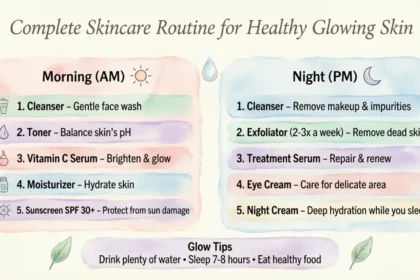
3. Take Care of Your Skin
Skincare can be a practical part of men’s self-care, whether you prefer a completely basic routine or enjoy exploring different products.
Start with three simple steps:
- Cleanse: Use a gentle cleanser that suits your skin and remove dirt, sweat, and excess oil.
- Moisturize: Apply a moisturizer to help keep your skin comfortable.
- Protect: Use broad-spectrum sunscreen with SPF 30 or higher on exposed skin during the day.
If you shave, use a suitable shaving product and avoid repeatedly scraping irritated skin. Introduce new products gradually, especially if your skin is sensitive.
A consistent routine is usually more manageable than buying products because they are trending online.
4. Support Your Body With Balanced Meals
Food is another important part of everyday wellness. Try to build meals around a variety of vegetables and fruits, whole grains, protein sources, and other foods that meet your nutritional needs.
For example, breakfast could include eggs and whole-grain toast, while lunch might include beans, vegetables, and rice. Dinner could feature fish, chicken, tofu, or lentils with vegetables and potatoes.
Keep water available throughout the day and adjust your fluid intake according to activity, weather, and individual needs.
Healthy eating does not require every meal to be perfect. Aim for a balanced pattern that works with your budget, preferences, and schedule.
5. Make Sleep a Priority
Rest is an essential part of self-care because it gives your body and mind time to recover.
Many adults need at least seven hours of sleep each night, although individual needs vary. A consistent sleep schedule can help make rest more predictable.
Try these habits:
- Go to bed and wake up at reasonably consistent times.
- Reduce bright screens and stimulating activities before bedtime.
- Keep your bedroom comfortable, dark, and quiet where possible.
- Avoid late-day caffeine if it interferes with your sleep.
- Give yourself time to wind down instead of working until the moment you go to bed.
If sleep difficulties persist or regularly affect your daily life, consider speaking with a qualified healthcare professional.
Mental and Emotional Wellness for Men
Self-care is not only about how you look or how physically active you are. Your thoughts, emotions, relationships, and responses to stress matter too.
6. Learn to Recognize Stress
Stress can show up in different ways. You might feel unusually irritable, struggle to concentrate, withdraw from friends, or find it difficult to relax after work.
Instead of automatically pushing through every difficult day, pause and ask yourself a few questions:
- What is taking up most of my attention right now?
- Which responsibilities need action today?
- What can wait until tomorrow?
- Would a break, a conversation, or practical help make this situation easier?
You do not need to solve every problem immediately. Identifying what is bothering you can help you decide on a useful next step.
7. Take Short Breaks to Clear Your Mind
You do not need to meditate for an hour to make time for mental rest. A few quiet minutes can provide a useful pause between demanding activities.
Try taking five slow breaths, sitting outdoors without your phone, stretching in a quiet room, or walking while paying attention to your surroundings.
Another option is journaling. Write down what happened during your day, what you are concerned about, and one thing you would like to address next.
The aim is not to force yourself to feel positive all the time. It is to create space to notice your thoughts and respond to them more thoughtfully.
8. Make Room for Hobbies
A hobby gives you something to enjoy outside your work and responsibilities. It can also provide a sense of progress without the pressure of meeting professional goals.
Consider cooking, reading, gardening, playing a musical instrument, photography, cycling, drawing, or learning a language.
Choose an activity because it interests you, not because it looks impressive to other people. You can start with 15 minutes a few times a week and increase the time when your schedule allows.
If you have not enjoyed a hobby for years, revisit something you once liked. You may discover that a familiar activity still brings satisfaction.
9. Practice Healthy Emotional Expression
Ignoring difficult emotions does not always make them disappear. Learning to recognize and express feelings can help you understand what you need and communicate more clearly.
You might start by naming an emotion privately: frustrated, disappointed, worried, lonely, or overwhelmed. Then consider what may have contributed to it and what response would be helpful.
If talking feels uncomfortable, begin by writing your thoughts down or discussing a manageable concern with someone you trust.
You do not have to share everything with everyone. The goal is to avoid feeling that you must deal with every challenge entirely alone.
If emotional difficulties are persistent, overwhelming, or interfering with daily life, professional support may be a helpful option.
Build a Simple Daily Self-Care Routine
A practical routine should fit around your actual responsibilities. You can adjust the following example to your working hours, family commitments, and personal preferences.
| Time of day | Simple self-care habit | Approximate time |
|---|---|---|
| Morning | Drink water, wash up, and prepare for the day | 5–10 minutes |
| Morning | Stretch or take a short walk | 5–15 minutes |
| During work | Take a movement break and eat a balanced meal | 10 minutes or more |
| After work | Change clothes and take a short mental break | 5–10 minutes |
| Evening | Enjoy a hobby or connect with someone | 10–30 minutes |
| Before bed | Reduce screen use and prepare for sleep | 10–20 minutes |
These times are examples rather than strict requirements. Some days will be busier than others, and that is normal.
Create a Minimum Routine for Difficult Days
When your schedule becomes overwhelming, focus on three essentials instead of abandoning self-care completely.
- Complete your basic hygiene routine.
- Eat regular meals and drink water.
- Set aside a few minutes to rest or prepare for sleep.
You can return to longer walks, hobbies, or other activities when time becomes available. A flexible routine is more realistic than one that only works on perfect days.
Self-Care for Busy Men
Work, commuting, family responsibilities, and household tasks can leave little free time. The solution is not always to add more activities to your schedule. It can be more effective to build self-care into things you already do.
Combine Self-Care With Everyday Tasks
Try walking while listening to music, preparing extra portions of a balanced meal, stretching during a break, or calling a friend on your commute when it is safe and practical.
You can also prepare clothes and essential items the night before to reduce morning stress.
Set Realistic Priorities
At the start of each day, identify the tasks that genuinely need your attention. Separate urgent responsibilities from tasks that can wait.
Avoid treating every request as an emergency. Where possible, communicate realistic deadlines and ask for help when your workload becomes difficult to manage.
Protect a Little Personal Time
You may not be able to take an entire day off, but you might be able to protect 10–15 minutes for a walk, reading, or quiet relaxation.
Think of this time as a regular part of your routine rather than a reward you must earn after completing everything. Household and work responsibilities rarely disappear completely, so waiting for a perfectly free day can make self-care difficult to maintain.
Social Wellness and Healthy Relationships
Spending time with supportive people is another meaningful form of self-care. Friendships and healthy relationships can offer companionship, practical support, and opportunities to share experiences.
Stay Connected With Friends
As careers and family responsibilities grow, friendships may receive less attention. You can maintain connections through simple actions, such as sending a message, arranging a weekly call, or meeting for a walk or meal.
You do not need a large social circle. A few relationships where you feel respected and comfortable can be valuable.
Set Healthy Boundaries
Boundaries help you communicate what you can reasonably manage. For example, you might explain that you cannot take on another task today, need uninterrupted time to finish work, or would prefer to discuss a disagreement when everyone is calmer.
A boundary is not about controlling another person’s behavior. It is about communicating your needs and deciding how you will respond.
Ask for Support When You Need It
If you are dealing with a difficult situation, consider talking to a trusted friend, family member, counselor, or other qualified professional.
Seeking support is not a failure to handle life. It is one possible way to approach a challenge with more perspective and assistance.
Digital Wellness and Work-Life Balance
Phones, messages, social media, and work notifications can make it difficult to disconnect. Digital wellness means using technology in a way that supports your priorities instead of constantly interrupting them.
Try these practical changes:
- Turn off nonessential notifications.
- Avoid checking work messages during protected personal time when possible.
- Keep meals or conversations free from unnecessary screen distractions.
- Take short breaks from social media if it leaves you feeling drained.
- Charge your phone away from your bed if late-night scrolling affects your sleep.
- Choose a regular time to finish work-related tasks.
Work-life balance does not need to look the same every day. Some days will require extra effort, but making room for rest and relationships over time can help you create a more sustainable routine.
Affordable Self-Care Ideas for Men
Self-care does not need to involve expensive gym memberships, premium skincare products, holidays, or spa treatments. Many useful habits cost little or nothing.
| Self-care idea | How to start | Cost |
|---|---|---|
| Walking outdoors | Take a short walk near home | Free |
| Journaling | Use a notebook or digital notes | Free or low-cost |
| Home workout | Try suitable bodyweight exercises | Free |
| Reading | Borrow a book or use a library | Free or low-cost |
| Cooking | Prepare a simple meal at home | Depends on ingredients |
| Connecting with friends | Make a phone call or arrange a walk | Free |
| Digital break | Put your phone aside for a set period | Free |
| Personal grooming | Use a few suitable everyday essentials | Depends on products |
The most useful option is the one you can realistically continue. Choose activities that meet your needs rather than spending money to follow someone else’s version of wellness.
A Simple 7-Day Self-Care Plan
If you are unsure where to begin, use this flexible plan to introduce one small habit at a time.
Day 1 — Review your routine: Identify one part of your day when you regularly feel rushed or tired. Choose one small change that could make it easier.
Day 2 — Add movement: Take a short walk, stretch, or try an activity that suits your current fitness level.
Day 3 — Improve your sleep routine: Choose a consistent bedtime target and create a short wind-down routine.
Day 4 — Make time for a hobby: Spend 15 minutes doing something you enjoy without focusing on productivity.
Day 5 — Connect with someone: Message a friend, call a family member, or arrange time with a supportive person.
Day 6 — Review your digital habits: Turn off unnecessary notifications or set aside a screen-free period.
Day 7 — Reflect and plan: Notice which activities felt helpful and choose two or three habits to continue next week.
You do not need to complete every activity perfectly. If you miss a day, simply continue with the next step. The purpose is to discover which habits fit your life.
Weekly Self-Care Checklist
Use this checklist to reflect on your habits rather than judge yourself.
- I made time for physical movement.
- I paid attention to balanced meals and hydration.
- I followed a reasonable sleep routine.
- I made time to relax or enjoy a hobby.
- I connected with someone supportive.
- I took a break from unnecessary screen time.
- I recognized a personal need and took one practical step.
Your progress is not measured by how many boxes you tick. The checklist is simply a tool to help you notice patterns and make adjustments.
Conclusion
Self-care for men is about building a healthier relationship with your body, mind, responsibilities, and personal life. It does not require a perfect routine, expensive products, or hours of free time.
Start with the basics: move regularly, eat balanced meals, maintain personal hygiene, protect your sleep, and make space for the activities and relationships that matter to you. Learn to recognize stress, set realistic boundaries, and ask for support when you need it.
Most importantly, allow your routine to change as your life changes. Some weeks will be easier than others, and progress may look different at different stages of life.
Choose two or three habits from this guide and begin with those. Consistent, realistic steps can help make self-care a natural part of your everyday lifestyle.
Frequently Asked Questions
1. What is the best self-care routine for men?
A useful routine includes basic grooming, regular physical activity, balanced meals, sufficient sleep, time to relax, and meaningful social connections. The best routine is one that fits your schedule and personal needs.
2. How can busy men practice self-care?
Start with short activities that fit naturally into your day. Take a brief walk, prepare simple meals, reduce unnecessary notifications, and set aside a few minutes to unwind before bed. Small habits can be easier to maintain than a demanding schedule.
3. Does self-care for men have to be expensive?
No. Walking, journaling, reading library books, home workouts, and connecting with friends can all be low-cost or free. Expensive products and services are not essential for developing a healthy routine.
4. How can men improve their mental wellness?
Men can support mental wellness by making time for rest, recognizing stress, enjoying hobbies, maintaining supportive relationships, and expressing concerns in ways that feel comfortable. If difficulties persist or interfere with everyday life, consider seeking qualified professional support.
5. How often should men practice self-care?
Self-care can be part of everyday life. Basic hygiene, meals, and sleep happen daily, while activities such as longer workouts, hobbies, and social outings can be scheduled throughout the week. Adjust your routine to your needs and circumstances.
6. What are some easy self-care habits to start today?
Drink water, take a short walk, complete a simple grooming routine, put your phone aside during a meal, or contact someone you trust. Choose one manageable action and repeat it when it works for you.