Getting dressed should feel exciting, not stressful. Yet many women stand in front of a wardrobe full of clothes and still feel like they have nothing to wear. The problem is often not a lack of clothing. It is knowing how to bring the right pieces together.
A Perfect Outfit for Women does not have to follow every fashion trend or include expensive designer pieces. Sometimes the most attractive look is a simple combination that fits well, feels comfortable, suits the occasion, and reflects the person wearing it.
Modern outfit inspiration often focuses on specific situations such as work, travel, parties, holidays, casual days, and street style. Next also highlights practical outfit formulas, denim fit, capsule wardrobe pieces, colors, and ways to style everyday clothing.
But there is another part of getting dressed that deserves more attention: how to make an outfit work for you, rather than simply copying someone else’s look.
Start With the Occasion
Before choosing clothes, think about where you are going.
An outfit that looks perfect for brunch may feel completely wrong at a job interview. Similarly, an outfit designed for a wedding may be unnecessarily formal for a coffee date.
Ask yourself three simple questions:
- Where am I going?
- What will I be doing?
- How dressed-up or relaxed should I look?
For work, polished trousers, a blouse, a simple dress, or tailored separates can create a professional appearance. For a casual day, jeans with a comfortable top and clean sneakers may be enough.
For a dinner or evening event, you can introduce stronger details such as elegant jewelry, a refined bag, a statement shoe, or a dress with an interesting silhouette.
The goal is not to dress according to strict rules. It is to make sure your clothing feels appropriate for the environment while still feeling like you.
Fit Matters More Than Following Trends
One of the easiest ways to improve an outfit is to pay attention to fit.
A basic shirt that fits beautifully can look more polished than an expensive top that pulls across the shoulders or hangs awkwardly. The same applies to trousers, jeans, dresses, blazers, and jackets.
Good fit does not necessarily mean tight clothing. It means the garment sits comfortably and creates the shape you want.
Look at areas such as:
- Shoulder seams
- Waist placement
- Trouser length
- Sleeve length
- Overall proportions
- Comfort when sitting and moving
If you constantly adjust your clothes throughout the day, they may not be the right fit for you.
Think About Proportion
Proportion can completely change how an outfit looks.
If you wear a loose oversized top, a more streamlined bottom can create balance. If your trousers are wide-leg, a fitted or neatly tucked top can help define the overall shape.
This does not mean there is one correct formula. Fashion is personal. The important thing is understanding the visual balance so you can intentionally break the rule when you want to.
Build Around Reliable Wardrobe Basics
You do not need hundreds of clothing pieces to create different looks.
A small collection of versatile items can become the foundation for many outfits.
| Wardrobe Piece | Easy Pairing | Best For |
|---|---|---|
| White or neutral top | Jeans, trousers, skirts | Everyday looks |
| Well-fitting jeans | Blouse, T-shirt, blazer | Casual to smart-casual |
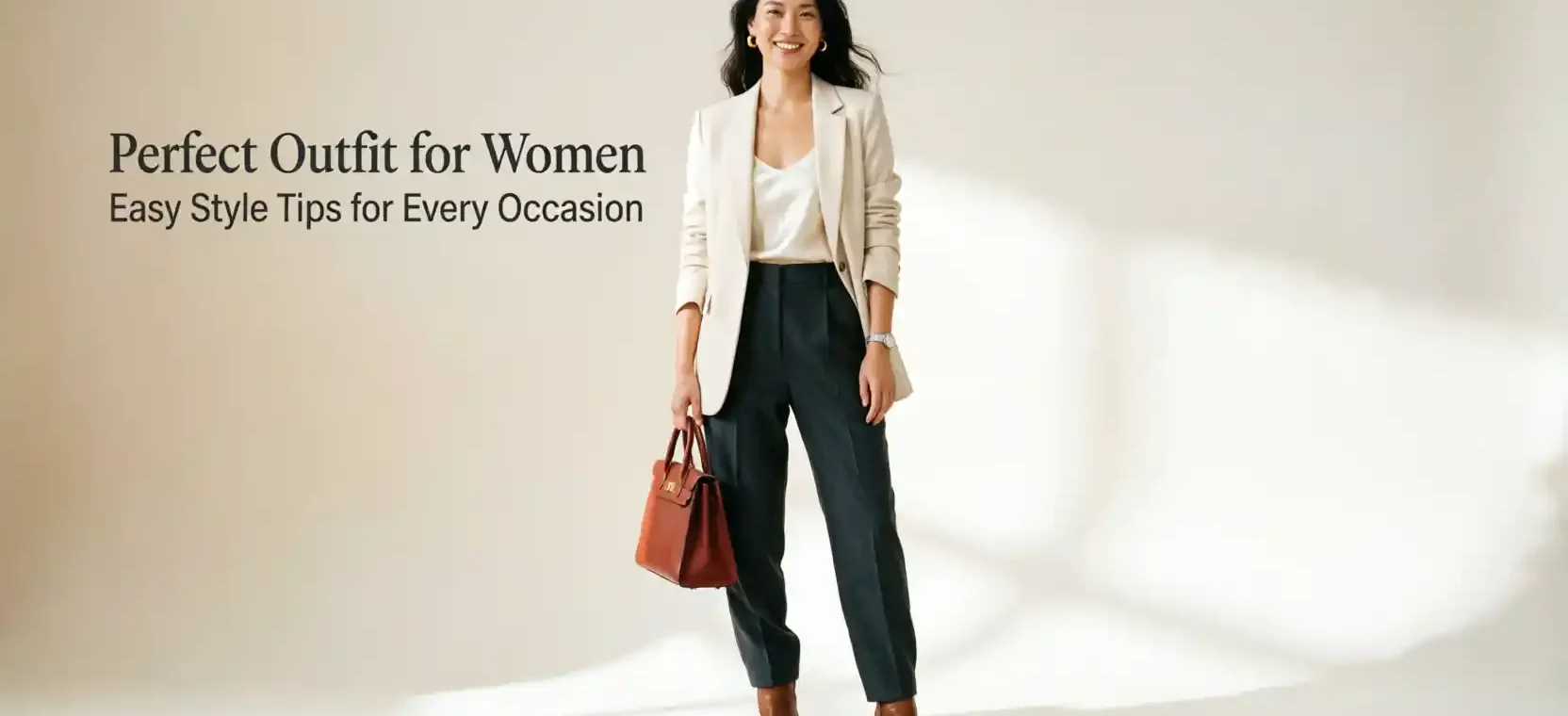
| Tailored trousers | Shirt, knit, blouse | Work and polished outfits |
| Simple dress | Flats, heels, jacket | Day to evening |
| Blazer | Jeans, trousers, dress | Work and smart-casual |
| Neutral shoes | Most wardrobe basics | Everyday versatility |
| Structured bag | Casual or polished outfits | Finishing the look |
These pieces do not have to be boring. Accessories, colors, textures, and different combinations can give the same basic garment a completely different personality.
Next’s current style guidance similarly emphasizes versatile wardrobe staples, capsule pieces, trousers, denim, and elevated basics.
Use Color to Make the Outfit Feel Intentional
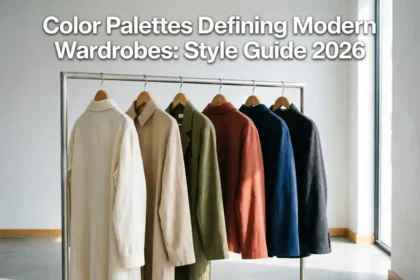
Color is one of the easiest ways to make clothing look coordinated.
If you are unsure how to combine colors, begin with neutrals such as:
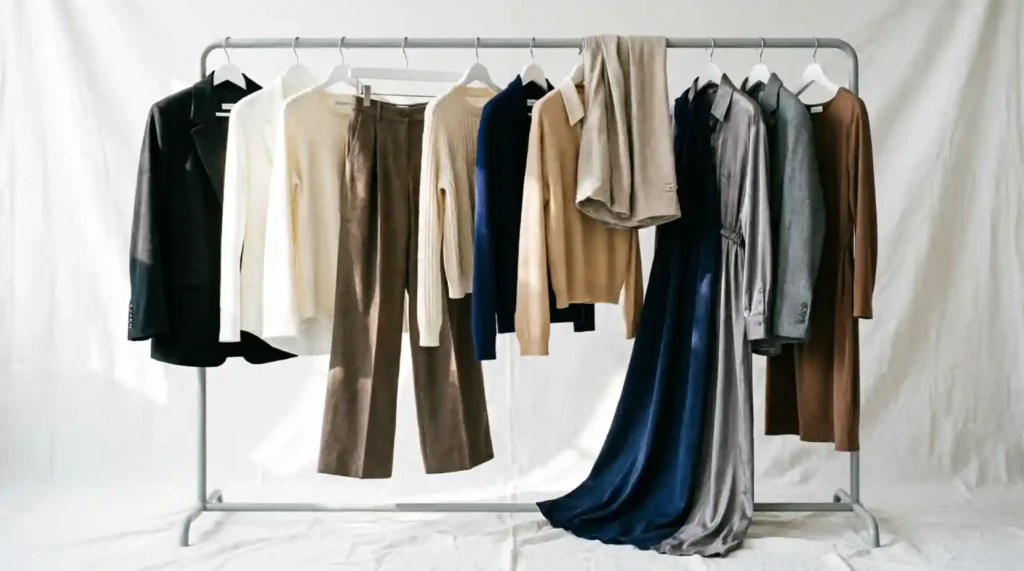
Then introduce one stronger shade through a blouse, handbag, shoes, scarf, or jewelry.
For example, a neutral outfit with one burgundy bag can feel more intentional than wearing several unrelated bright colors at once.
You can also create a monochromatic look by wearing different shades of the same color. This often creates a polished appearance without requiring complicated styling.
Next’s outfit guidance currently highlights navy as a versatile alternative to black and suggests combining it with neutral and accent colors.
The most important thing is to choose colors that make you feel comfortable. Fashion should enhance your confidence, not make you feel like you are wearing someone else’s personality.
Choose Shoes Before the Last-Minute Rush
Shoes can completely change the mood of an outfit.
A simple dress with sneakers can feel relaxed and modern, while the same dress with heels can look more formal. Jeans with loafers can feel polished, while sneakers make the outfit more casual.
When choosing shoes, consider both style and practicality.
| Outfit Style | Shoe Options | Overall Effect |
|---|---|---|
| Casual | Sneakers, flats | Relaxed and comfortable |
| Smart-casual | Loafers, ballet flats | Polished but easy |
| Office | Loafers, pumps, refined flats | Professional |
| Evening | Heels, elegant flats | Dressy and refined |
| Travel | Clean sneakers, supportive flats | Comfortable and practical |
A beautiful outfit becomes much less useful if your shoes make walking or standing uncomfortable.
Add Accessories With a Purpose
Accessories should complete an outfit rather than compete with it.
A watch, simple earrings, necklace, scarf, handbag, belt, or sunglasses can make basic clothing look more considered.
If your clothing already has a strong print, dramatic neckline, or statement detail, you may need fewer accessories.
For a simple outfit, however, one or two interesting accessories can create a focal point.
A useful trick is to choose one item you want people to notice. It could be:
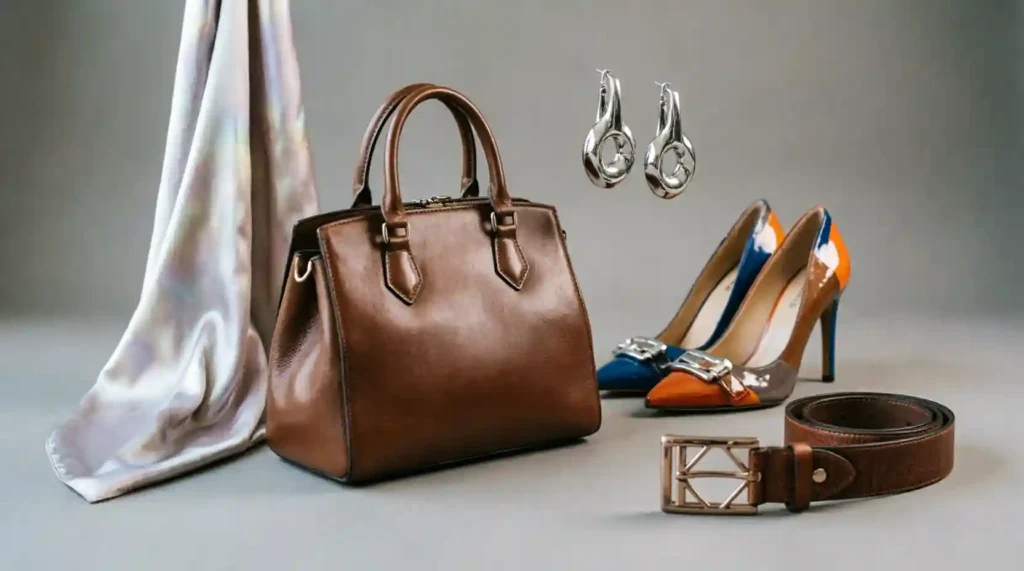
Then keep the rest of the outfit relatively balanced.
Dress for Comfort Without Losing Style
Comfort and style do not have to compete.
In fact, an outfit often looks better when you feel comfortable wearing it. If you spend the entire day pulling down a skirt, adjusting a blouse, or worrying about uncomfortable shoes, confidence naturally disappears.
Think about the practical side of the day.
If you are walking around the city, choose shoes that can handle the distance. If you are working for several hours, choose fabrics and silhouettes that allow movement. If the weather is warm, breathable materials and lighter layers may be more useful.
Next’s casual outfit guidance specifically emphasizes clothing that allows movement for errands, while its workwear guidance balances polished pieces with comfort.
The best style is usually the one you can actually live in.
Create Outfit Formulas Instead of Starting From Zero
When you are short on time, outfit formulas can save you from wardrobe frustration.
Instead of asking, “What should I wear?” every morning, create a few combinations you already know work.
For example:
Casual:
Jeans + fitted or tucked top + sneakers + crossbody bag
Smart-casual:
Straight-leg trousers + blouse + loafers + structured bag
Office:
Tailored trousers + shirt + blazer + simple jewelry
Weekend:
Midi skirt + relaxed knit + flats + shoulder bag
Evening:
Simple dress + elegant shoes + small bag + statement earrings
These are not strict fashion rules. Think of them as starting points that you can adjust according to your personality, weather, and occasion.
Who What Wear’s current outfit coverage also uses repeatable combinations for workwear, travel, parties, and casual dressing, showing how outfit formulas can make getting dressed easier.
Add Your Personality Instead of Copying the Entire Look
This is where an outfit becomes truly yours.
You might love the shape of an outfit you saw online but dislike the color. Maybe you like someone’s blazer-and-jeans combination but prefer flats instead of heels.
Take the idea and adapt it.
Your personal style can appear through:
- Favorite colors
- Jewelry
- Hairstyles
- Handbags
- Shoes
- Prints
- Modest or relaxed silhouettes
- Vintage or modern details
Next’s current modest-fashion guidance, for example, combines longline tunics, maxi skirts, headscarves, tailored separates, relaxed silhouettes, and comfortable fabrics.
There is no reason a trend has to look exactly the same on every woman.
Consider the Weather and Fabric
A stylish outfit should also make sense for the weather.
During warmer months, breathable fabrics and lighter layers can help you stay comfortable. In cooler weather, layering gives you more flexibility.
Instead of putting together one heavy outfit, consider:
Base layer → middle layer → outer layer
For example, a simple top can be combined with a cardigan or blazer and then finished with a coat when necessary.
Fabric matters too. Linen, cotton, wool, denim, knitwear, satin, and structured fabrics all create different visual effects.
A well-chosen texture can make a simple outfit feel much more interesting without adding many extra pieces.
Common Styling Mistakes to Avoid
Even a wardrobe full of good clothes can become difficult to style when small details are overlooked.
Avoid these common mistakes:
- Wearing clothes that make you uncomfortable
- Choosing trends that do not suit your lifestyle
- Ignoring proportions
- Adding too many competing accessories
- Wearing colors that make the outfit feel disconnected
- Choosing shoes only for appearance
- Buying clothes without considering what they can be paired with
- Copying an outfit without adapting it to your own personality
Another common mistake is saving your favorite clothes for a “special day.” If an item makes you feel confident, find ways to wear it in everyday life too.
A Simple Final Check Before You Leave
Before leaving home, take ten seconds to look at the complete outfit rather than individual pieces.
Ask:
Does it fit comfortably?
Does it suit where I am going?
Do the colors work together?
Are the shoes practical?
Do the accessories add something?
Do I actually feel like myself in this outfit?
If the answer is yes, you probably do not need to add anything else.
The strongest outfits often look effortless because every element has a reason for being there.
Conclusion
Creating a Perfect Outfit for Women is less about owning more clothes and more about understanding what works together. The right fit, balanced colors, practical shoes, thoughtful accessories, comfortable fabrics, and a little personal style can turn simple wardrobe pieces into outfits that feel polished and authentic.
Instead of chasing every trend, build combinations that suit your real life. When your clothes feel comfortable and genuinely reflect you, looking stylish becomes much easier.
FAQs
What makes a good outfit look polished?
Good fit, coordinated colors, balanced proportions, appropriate shoes, and a few thoughtful accessories can make an outfit look polished without making it complicated.
How can I create stylish outfits with basic clothes?
Start with versatile pieces such as jeans, neutral tops, tailored trousers, simple dresses, and blazers. Change the shoes, accessories, layering, and color combinations to create different looks.
Should every outfit follow current fashion trends?
No. Trends can provide inspiration, but your lifestyle, comfort, body preferences, and personality should influence what you actually wear.
How do I choose the right colors for an outfit?
Start with neutral colors and add one or two complementary shades. You can also create a monochromatic look by combining different tones of the same color.
Can comfortable clothes still look fashionable?
Absolutely. The current approach to casual and workwear styling increasingly combines comfort with polished details, including relaxed tailoring, practical footwear, and versatile basics.
How many accessories should I wear?
There is no fixed number. If your clothing already has a strong statement, keep accessories simple. With a basic outfit, one or two noticeable accessories can add personality.
What should I wear when I have nothing to wear?
Start with a reliable outfit formula such as jeans and a polished top, tailored trousers with a blouse, or a simple dress with versatile shoes. Then add one accessory to make the look feel personal.
How can I make an outfit look more expensive?
Focus on fit, clean lines, coordinated colors, good grooming, simple accessories, and well-maintained shoes and bags. You do not necessarily need expensive clothing to create a refined appearance.