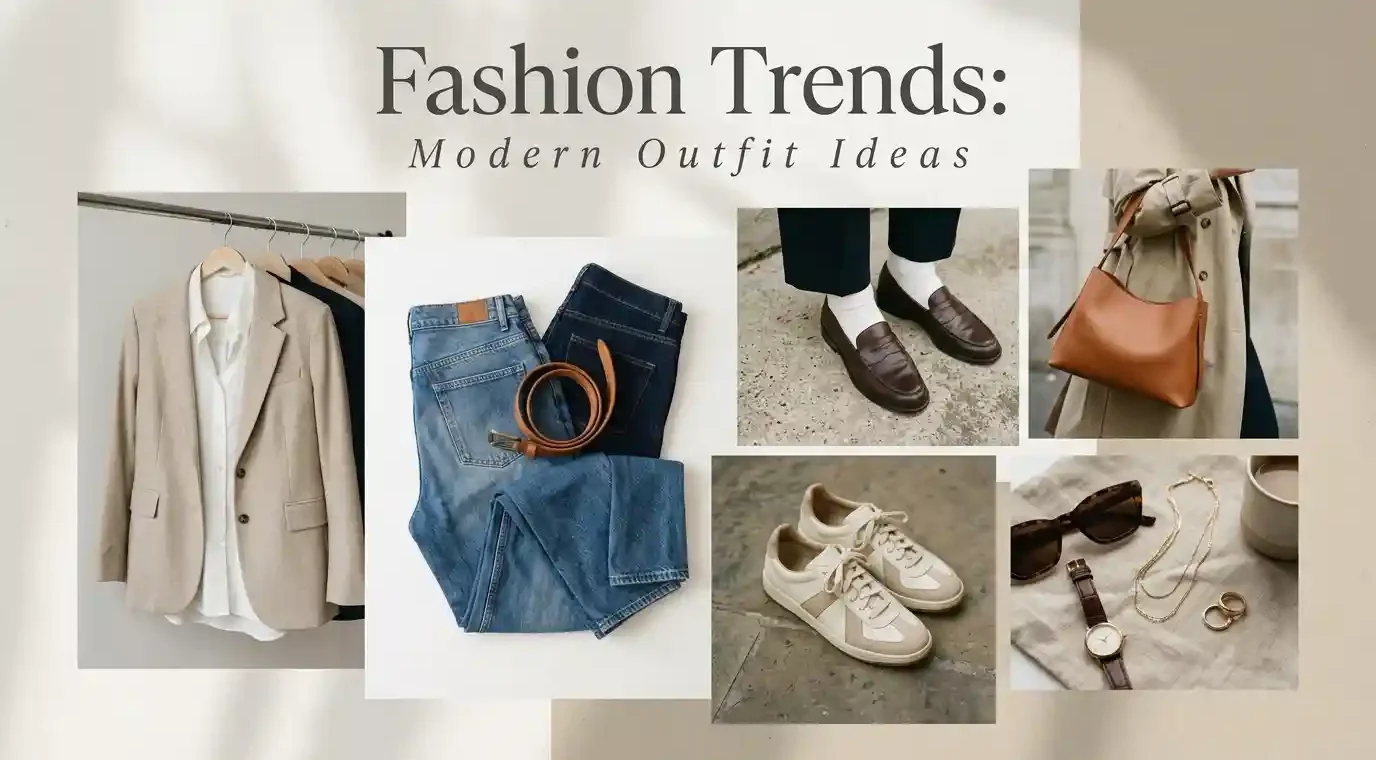
Fashion trends are constantly evolving, bringing new outfit combinations, clothing silhouettes, colours, footwear styles, and accessories into everyday wardrobes. From classic denim and comfortable sneakers to tailored jackets and statement accessories, modern fashion offers countless ways to express personal style. However, looking stylish does not mean following every new trend or spending a fortune on clothing.
The most effective fashion choices combine current inspiration with comfort, versatility, and individual preferences. A simple pair of jeans can work for a casual day out, while a well-fitted jacket can transform the same outfit into a more polished look. Similarly, the right shoes, colours, and accessories can make familiar wardrobe pieces feel fresh again.
Whether you prefer relaxed streetwear, elegant outfits, minimalist clothing, or bold statement pieces, understanding fashion trends can help you make better styling decisions. This guide explores modern outfit ideas, denim styles, footwear combinations, seasonal fashion, and practical ways to build a wardrobe that suits your lifestyle and budget.
What Are Fashion Trends?
Fashion trends are popular styles, designs, colours, fabrics, and outfit combinations that influence how people dress during a particular period. They can emerge from designer collections, street style, entertainment, social media, cultural influences, and changes in everyday lifestyles.
Some trends focus on clothing silhouettes, such as wide-leg trousers, oversized jackets, or relaxed shirts. Others involve colours, accessories, footwear, or ways of combining familiar wardrobe pieces. A trend may become popular quickly, while timeless clothing styles remain useful for years.
However, fashion trends are not rules that everyone must follow. A particular outfit may look appealing on a fashion influencer but may not suit your daily routine, climate, comfort preferences, or budget.
Why fashion trends matter: They provide fresh ideas for styling clothes, encourage creativity, and help people discover new combinations. By understanding trends, you can decide which ideas deserve a place in your wardrobe and which ones you would rather skip.
The best approach is to combine current inspiration with personal taste. For example, you might try a modern jacket with classic trousers or pair trending sneakers with clothing you already own. This allows you to enjoy fashion without constantly replacing your wardrobe.
Popular Fashion Trends to Explore
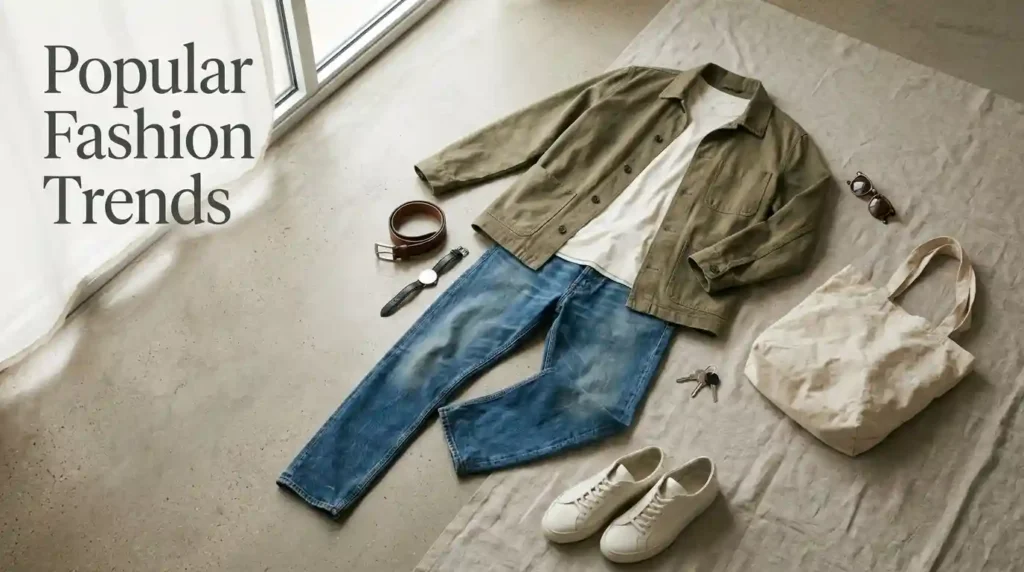
Fashion includes many different aesthetics, so there is no single trend that suits everyone. Some people prefer simple, understated outfits, while others enjoy bold colours, oversized silhouettes, or eye-catching accessories.
Minimalist Fashion
Minimalist fashion focuses on clean lines, simple shapes, coordinated colours, and versatile clothing. Common choices include white shirts, neutral knitwear, tailored trousers, classic denim, and understated footwear.
The benefit of this approach is that individual pieces can be combined in several ways. A neutral jacket, for example, may work with jeans, chinos, skirts, dresses, or tailored trousers.
Minimalist outfits do not need to look plain. Different fabrics, proportions, textures, and accessories can add interest without making the overall appearance complicated.
Relaxed and Oversized Clothing
Relaxed silhouettes remain a useful option for people who enjoy comfortable, casual outfits. Oversized shirts, loose-fit jeans, relaxed trousers, and roomy jackets can create an effortless appearance.
Balance can help make these outfits feel intentional. Try pairing a loose shirt with straighter trousers or wearing relaxed jeans with a more structured jacket. You can also experiment with different lengths to find proportions that feel comfortable and flattering to you.
Streetwear-Inspired Outfits
Streetwear combines casual clothing with distinctive footwear, graphics, accessories, and relaxed silhouettes. Popular pieces include hoodies, sneakers, utility jackets, graphic T-shirts, and loose-fit trousers.
For a simple streetwear outfit, start with a neutral hoodie, straight-leg jeans, and clean sneakers. Add a cap or crossbody bag if it suits your style. You can also create a more understated version by choosing plain clothing and focusing on fit rather than large graphics.
Timeless and Tailored Styles
Tailored clothing offers a polished alternative to relaxed streetwear. Blazers, structured coats, well-fitted trousers, button-down shirts, and simple leather accessories can work for professional settings, dinners, and special occasions.
You do not need a fully formal outfit to benefit from tailoring. Pairing a structured jacket with denim, for example, can create a smart-casual look that feels modern without being overly formal.
Denim Styles and Everyday Outfit Ideas
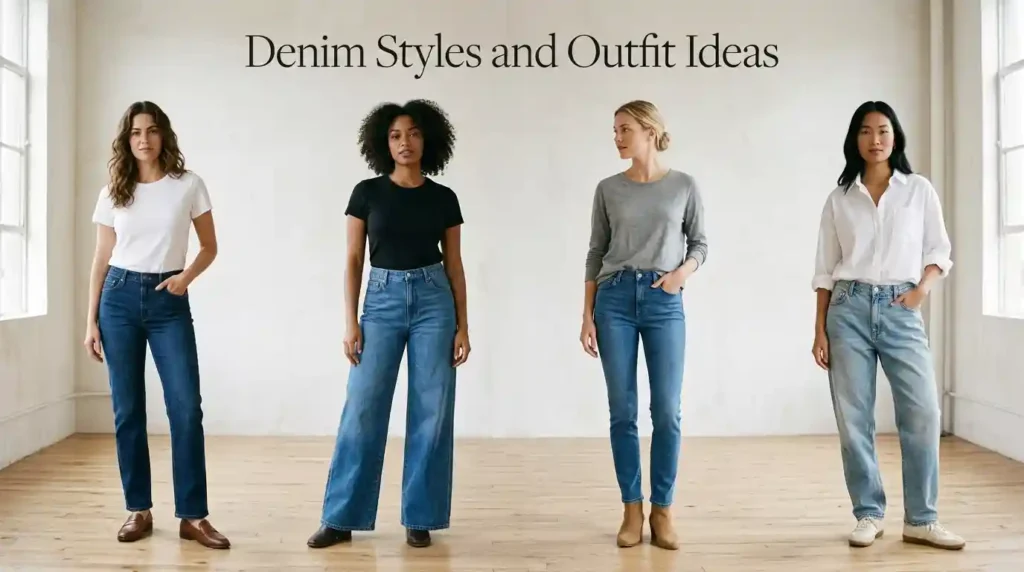
Denim remains one of the most versatile categories in fashion. Jeans, denim jackets, and denim shirts can be styled for different occasions depending on their cut, colour, fabric, and accompanying pieces.
Choosing the Right Jeans
Different jeans cuts create different visual effects and suit different preferences.
- Straight-leg jeans: A versatile choice that works with T-shirts, shirts, knitwear, sneakers, loafers, and boots.
- Wide-leg jeans: A relaxed silhouette that pairs well with fitted tops, simple shirts, or structured jackets.
- Slim-fit jeans: A closer-fitting option that can work with casual tops, sweaters, and tailored outerwear.
- Relaxed-fit jeans: A comfortable option for everyday outfits and streetwear-inspired looks.
- Bootcut jeans: A style that widens slightly towards the hem and can work with boots or selected dress shoes.
When choosing jeans, pay attention to comfort, waistband fit, length, and movement. Try sitting and walking in them before making a decision. The best fit is one that suits your preferences rather than one that is simply popular.
Three Easy Denim Outfit Formulas
| Outfit style | Clothing combination | Suitable occasion |
|---|---|---|
| Casual | Jeans, basic T-shirt, sneakers | Shopping and everyday activities |
| Smart-casual | Dark denim, shirt, blazer, loafers | Informal meetings and lunches |
| Relaxed streetwear | Loose jeans, hoodie, sneakers | Weekend outings and casual gatherings |
You can adapt each formula to your personal style. Change the shirt colour, choose different footwear, or add a lightweight jacket to create another outfit without buying a completely new set of clothes.
Styling Denim Jackets
A denim jacket can add structure to a simple outfit. Wear it over a plain T-shirt with chinos, jeans, or casual trousers. For a coordinated appearance, consider the contrast between the jacket and the rest of your clothing.
Wearing denim with denim can also work. Combining different washes or adding a simple shirt between the two pieces can help create separation. The goal is to make the outfit feel balanced rather than overly uniform.
How to Choose the Right Footwear
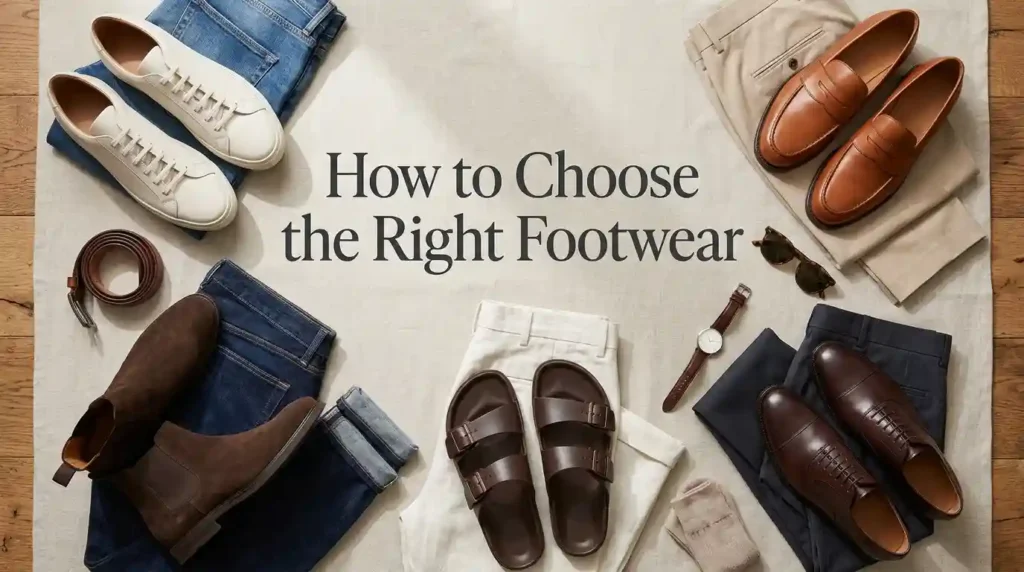
Footwear influences both the appearance and practicality of an outfit. The right shoes can make casual clothing look more polished, while an uncomfortable pair can make even a stylish outfit difficult to wear.
Sneakers and Trainers
Sneakers are a dependable choice for casual outfits, denim, relaxed trousers, and many streetwear looks. White, black, grey, and other neutral colours are relatively easy to coordinate with different clothing.
For everyday use, consider cushioning, fit, grip, and the amount of walking you expect to do. Clean footwear can also make a simple outfit appear more considered.
Loafers and Flats
Loafers and flats offer a more polished alternative to sneakers. They can work with straight-leg jeans, tailored trousers, shirts, and simple dresses.
For smart-casual occasions, pair loafers with dark denim and a button-down shirt or tailored jacket. Choose a colour that complements the rest of your outfit rather than worrying about matching every accessory exactly.
Boots and Sandals
Boots are useful for cooler weather, layered outfits, and certain smart-casual settings. Ankle boots can work with jeans and trousers, while more substantial boots may complement utility-inspired or rugged outfits.
Sandals are useful in warmer weather and on relaxed occasions. Choose a style that suits the setting, provides a comfortable fit, and works with the clothing you plan to wear.
Dress Shoes and Heels
Dress shoes and heels can add a more formal finish to outfits for celebrations, dinners, and professional events. Their suitability depends on the occasion, dress code, and comfort.
Rather than choosing footwear solely because it is fashionable, consider whether it will support the activities planned for the day.
| Footwear | Works well with | Styling purpose |
|---|---|---|
| Sneakers | Jeans, casual trousers, relaxed clothing | Comfortable everyday style |
| Loafers | Tailored trousers, shirts, dark denim | Polished casual appearance |
| Boots | Denim, coats, layered outfits | Structured or seasonal styling |
| Sandals | Lightweight clothing, summer outfits | Warm-weather comfort |
| Dress shoes or heels | Formal trousers, dresses, evening outfits | Dressier occasions |
Casual, Smart-Casual, and Formal Styling
Understanding dress codes makes it easier to choose appropriate outfits without overthinking every detail.
Casual Outfits
Casual clothing prioritises comfort and ease. Jeans, cotton T-shirts, sweaters, sneakers, and relaxed shirts are common choices.
For a more coordinated casual outfit, focus on clean clothing, suitable proportions, and complementary colours. A simple outfit can look stylish when the pieces fit well and work together.
Smart-Casual Outfits
Smart-casual styling combines relaxed clothing with more structured pieces. Examples include dark jeans with a blazer, tailored trousers with a knit polo, or a simple dress with polished flats.
The balance depends on the occasion. A casual lunch may call for comfortable shoes and a relaxed shirt, while a professional gathering may require a tailored jacket and more formal footwear.
Formal Outfits
Formal clothing is generally more structured and depends on the event’s dress code. Tailored suits, formal trousers, dress shirts, coordinated separates, and appropriate dresses may be suitable choices.
Pay attention to fabric, fit, finishing, and footwear. Even a simple formal outfit can look polished when it is well fitted and appropriate for the occasion.
Practical tip: Check the dress code before an event. Fashion inspiration is useful, but dressing appropriately for the setting is equally important.
Seasonal Fashion Trends and Colour Combinations
Seasonal changes influence fabrics, layers, colours, and footwear. Choosing clothing that suits the weather can make outfits more comfortable while still allowing room for personal expression.
Spring and Summer
Warm-weather wardrobes often include breathable fabrics, lightweight shirts, cotton tops, linen pieces, relaxed trousers, and comfortable sandals. Lighter colours can create a fresh appearance, while darker shades remain useful for evening outfits.
For a simple summer combination, try lightweight trousers with a plain shirt and breathable footwear. A cotton T-shirt with denim shorts or jeans can also be a practical option for casual days.
Choose fabrics that suit the local temperature and humidity. Comfort should remain a priority when selecting seasonal clothing.
Autumn and Winter
Cooler weather creates opportunities for layering. Sweaters, coats, jackets, long-sleeved shirts, boots, and scarves can add warmth and visual interest.
Try layering a basic top beneath a knit sweater and finishing with a coat. For a more structured outfit, combine dark denim with a shirt, a tailored jacket, and suitable boots.
Layering works best when the pieces fit comfortably together. Avoid adding so many layers that movement becomes difficult.
Easy Colour Combinations
Colour coordination can make getting dressed simpler. You do not need to follow complicated colour rules to create an appealing outfit.
- Black and white: A classic combination for casual and formal settings.
- Navy and beige: A balanced pairing that works well with denim and tailored clothing.
- Grey and black: A simple option for minimalist or urban-inspired outfits.
- Brown and cream: A warm combination for neutral wardrobes.
- Denim blue and white: An easy everyday pairing that suits many casual settings.
Start with two or three colours and add another shade through an accessory if desired. Repeating a colour in two parts of an outfit can also create a more coordinated appearance.
Celebrity-Inspired Fashion on a Budget
Celebrity outfits, fashion magazines, and social media can introduce new styling ideas. However, recreating a look does not require purchasing the same designer pieces or following every detail.
Start by identifying what makes the outfit appealing. It might be the silhouette, colour palette, jacket shape, footwear, or way the clothing is layered.
Recreate the Styling Formula
Suppose you like an outfit featuring jeans, a white shirt, a structured jacket, and simple shoes. You can recreate the general effect with affordable clothing or items you already own.
Focus on the combination rather than the brand name. A well-fitting jacket and coordinated colours can often achieve the desired look without expensive purchases.
Invest in Versatile Pieces
If you plan to buy something new, consider whether it will work with several existing outfits. A neutral jacket, classic denim, simple shoes, or a practical everyday bag may offer more styling opportunities than an item that only matches one look.
Adapt Trends to Real Life
Celebrity styling is often created for photographs, events, or professional settings. Everyday clothing needs to suit your own activities, weather, comfort, and budget.
Use celebrity style as inspiration, then adjust the outfit to fit your lifestyle. This approach lets you experiment with fashion while keeping your wardrobe practical.
How to Build a Versatile Wardrobe
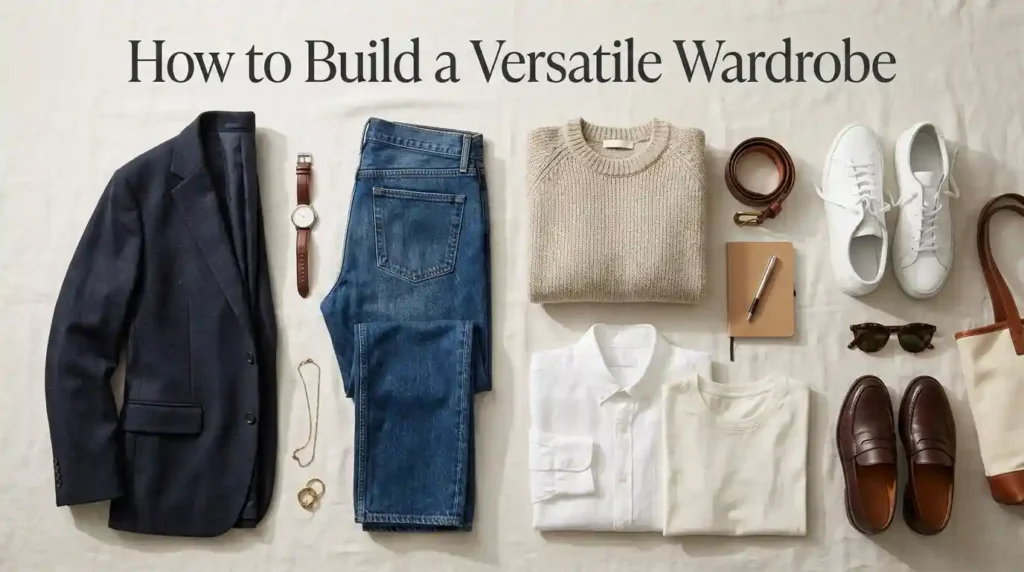
A versatile wardrobe makes it easier to create outfits without constantly shopping. It includes clothing that works together and suits the activities you do most often.
Start by reviewing what you already own. Identify your most-worn jeans, tops, jackets, shoes, and accessories. Then notice which items combine easily and which pieces rarely get used.
Build Around Everyday Essentials
Depending on your lifestyle, useful wardrobe basics may include:
- Well-fitting jeans or everyday trousers.
- Plain T-shirts and simple tops.
- A versatile shirt that can be worn alone or layered.
- A sweater or cardigan suitable for your climate.
- A jacket or blazer for layering.
- Comfortable everyday sneakers or flats.
- Suitable footwear for formal occasions.
- A practical bag and a few versatile accessories.
You do not need to purchase everything at once. Choose items that fill genuine gaps in your wardrobe and complement clothing you already own.
Consider Cost Per Wear
Cost per wear helps you estimate the value of an item based on how often you use it.
Cost per wear = Purchase price ÷ Number of times worn
For example, if a jacket costs $80 and you wear it 80 times, its cost per wear is $1. This does not automatically make it a better purchase than every cheaper item, but it provides a useful way to think about long-term value.
Shop More Intentionally
Before buying a new trend, ask yourself whether it fits comfortably, suits your lifestyle, and works with at least three items you already own.
Check the fabric, stitching, care instructions, and fit. If you are shopping online, review the size chart and return policy before placing an order.
A little planning can reduce impulse purchases and help you spend your fashion budget on pieces you will genuinely use.
Common Fashion Mistakes to Avoid
Fashion is personal, and there is no single correct way to dress. Still, a few common issues can make building outfits more difficult.
Choosing trends over comfort: A popular item is not necessarily right for your daily routine. Consider fit, movement, weather, and the occasion before purchasing.
Ignoring proportions: Oversized clothing, fitted pieces, and different trouser lengths create different effects. Experiment with combinations until the outfit feels balanced to you.
Buying items without a plan: A striking piece may be difficult to wear if it does not coordinate with anything else in your wardrobe. Think about possible outfit combinations before buying it.
Overcomplicating accessories: Too many competing statement pieces can distract from the overall outfit. If the look feels busy, remove one accessory and see whether the result feels more coordinated.
Wearing unsuitable footwear: Shoes should suit the occasion and provide a comfortable fit. A stylish pair that makes walking difficult may not be practical for everyday use.
Neglecting clothing care: Follow garment care labels, store items properly, and clean footwear when needed. Good care can help clothing maintain its appearance for longer.
How to Develop Your Personal Style
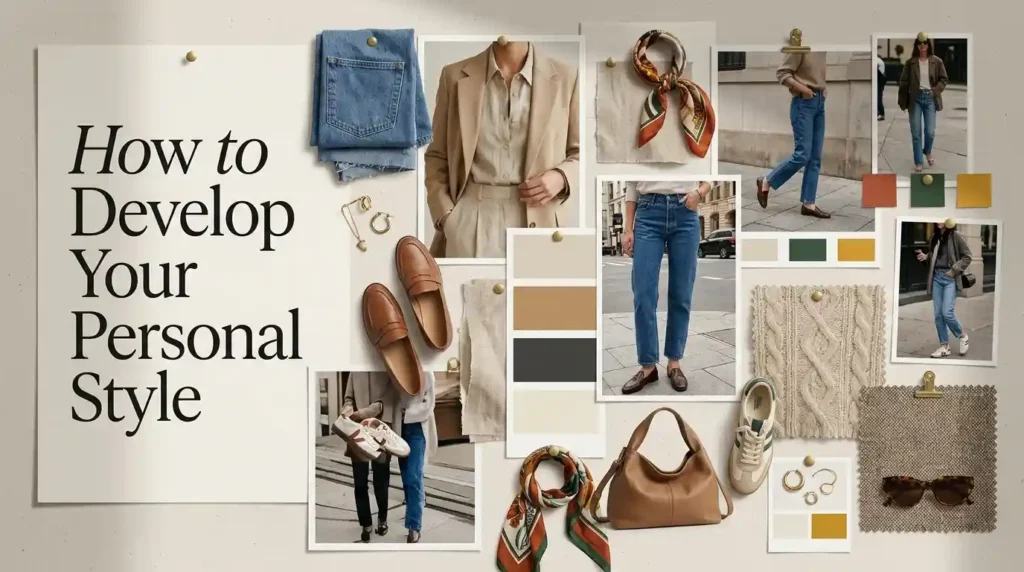
Personal style develops through experimentation rather than following a fixed set of rules. You may prefer minimalist clothing, classic tailoring, streetwear, relaxed denim, colourful outfits, or a combination of several styles.
Start by noticing the clothing and outfit combinations that naturally appeal to you. Look for repeated preferences in colours, silhouettes, fabrics, and accessories.
Next, try recreating those looks using your existing wardrobe. Take note of which outfits feel comfortable, suit your routine, and make you feel confident. You may discover that a few simple combinations work better for you than complicated trend-led outfits.
It can also help to keep a small collection of outfit ideas for different situations, such as work, casual outings, travel, and special occasions. This can reduce decision-making time while leaving room for creativity.
Finally, remember that your style can change. New interests, different activities, and changing seasons may influence what you enjoy wearing. Fashion should support self-expression rather than create pressure to look a particular way.
Conclusion
Fashion trends provide inspiration for exploring new clothing styles, denim fits, footwear combinations, seasonal outfits, and accessories. However, a stylish wardrobe is not about owning every trending item. It is about choosing clothing that suits your preferences, fits comfortably, and works for your everyday life.
By combining versatile basics with selected modern trends, you can create casual, smart-casual, and formal outfits without overspending. Pay attention to fit, colour coordination, footwear, and clothing care, and experiment with combinations that reflect your personality.
The most useful fashion advice is simple: wear what makes you feel comfortable and confident, adapt trends to your own needs, and build a wardrobe that works for you.
Asked Questions
What are the most popular fashion trends?
Fashion trends vary by season and location. Common styling directions include relaxed silhouettes, versatile denim, minimalist outfits, tailored layers, statement footwear, and casual streetwear. Choose trends that fit your preferences rather than following every new style.
How can I look stylish on a budget?
Start with clothing you already own, choose versatile basics, and experiment with new combinations. Shopping during sales, considering second-hand options, and planning purchases can help you create stylish outfits while managing expenses.
How do I choose the right jeans?
Consider comfort, rise, waistband fit, leg shape, fabric, and length. Try different cuts and sizes instead of relying only on trend names. The right pair should allow comfortable movement and suit your preferences.
Which shoes work with most outfits?
Neutral sneakers, simple flats, loafers, and versatile boots can coordinate with many everyday outfits. The best choice depends on your wardrobe, climate, activities, and the occasions you dress for.
How can I recreate celebrity fashion affordably?
Identify the key elements of the outfit, such as its silhouette, colour palette, and accessories. Recreate the overall styling with affordable alternatives or clothing you already own instead of buying every original item.
Should I replace my wardrobe every season?
No. You can update your wardrobe gradually by adding a few useful pieces or trying different combinations. Keeping versatile basics and choosing trends selectively can make fashion more affordable and sustainable.
How do I make casual outfits look more polished?
Choose clothing that fits well, keep colours coordinated, wear clean footwear, and add one structured piece such as a jacket or neat shirt. Simple accessories can finish the outfit without making it complicated.