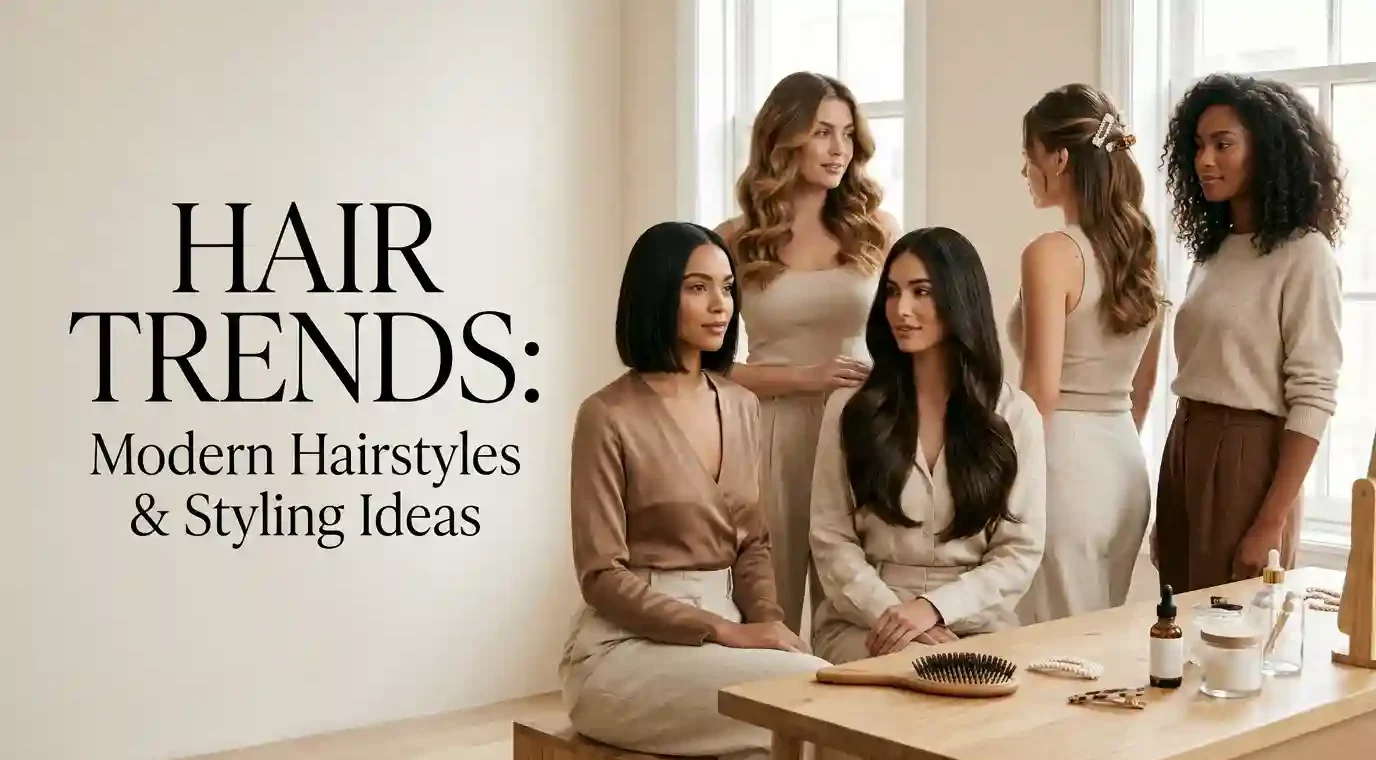
Hair can be an important part of personal style, helping you express your personality and feel confident in your everyday appearance. From soft layers and textured cuts to rich hair colours and versatile extensions, there are many ways to refresh your look without completely changing your style.
The latest hair trends include a mix of natural textures, classic hairstyles, modern cuts, and creative styling options. Some people prefer low-maintenance looks, while others enjoy experimenting with different lengths, colours, and accessories.
The best hairstyle is not necessarily the most popular one. It is the one that works with your natural hair texture, lifestyle, preferences, and styling routine. Understanding the available options can help you make informed choices and maintain a look that feels comfortable and authentic.
In this guide, we explore modern hair trends, haircut ideas, hair colours, hair extensions, and practical tips for keeping your hair looking its best.
1. Popular Hair Trends to Explore
Hair trends change over time, but many popular styles focus on versatility, natural-looking texture, and individual expression.
Natural-Looking Hairstyles
Natural-looking hairstyles celebrate the hair’s original texture rather than trying to make every strand perfectly smooth. Soft waves, defined curls, and gently styled straight hair can create an effortless appearance.
To achieve this look, use products suited to your hair type and avoid applying too much heat. A small amount of styling cream or lightweight serum may help manage frizz and enhance your natural texture.
Soft Layers and Face-Framing Cuts
Layered haircuts create movement and can help reduce the appearance of heaviness in longer hair. Face-framing layers add shape around the face and can be adapted to different hair lengths.
Ask your hairstylist to consider your hair density, texture, and preferred styling routine before choosing a layered cut. Some layers require more styling than others, particularly when the hair is naturally thick or curly.
Textured and Effortless Styles
Textured hairstyles add movement and dimension. Depending on the cut, texture may be created with natural waves, curl-enhancing products, or suitable styling techniques.
These styles can work for short, medium, and long hair. The key is choosing a texture that complements your hair rather than trying to recreate a look that requires a completely different hair type.
Classic Hairstyles With a Modern Touch
Classic bobs, sleek ponytails, simple buns, and timeless waves continue to offer versatile styling options. Modern variations may include softer layers, a different parting, subtle accessories, or a slightly undone finish.
Classic styles are useful when you want a look that works for everyday activities as well as more formal occasions.
2. Trending Haircuts for Different Hair Lengths
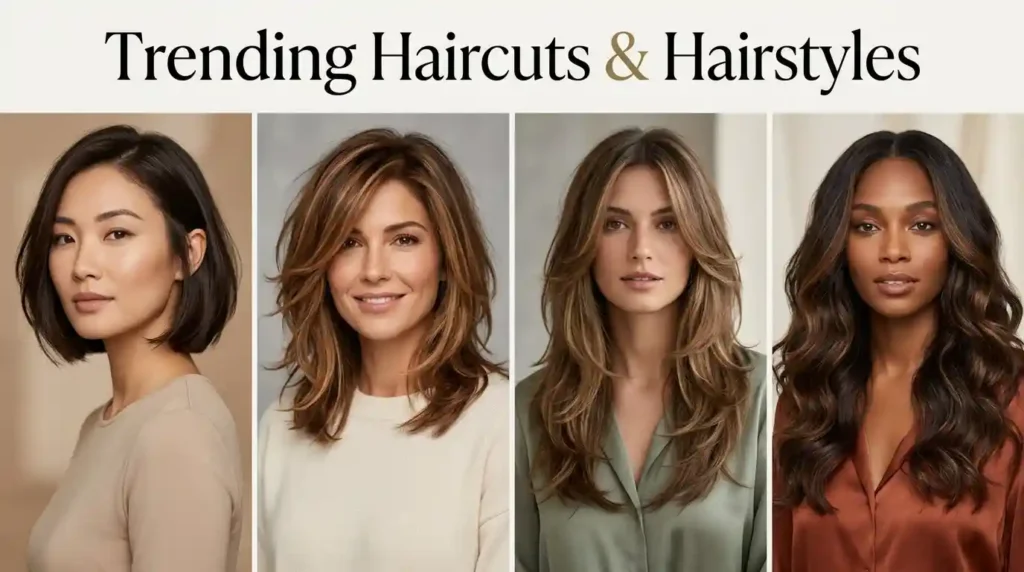
Your hair length can influence the cuts and styles available to you. Consider how much time you want to spend styling your hair before making a change.
Short Haircuts and Bobs
Short haircuts can offer a fresh appearance and may simplify everyday styling. A classic bob creates a defined shape around the jaw or neck, while a textured bob adds movement.
Other options include pixie cuts, short layered styles, and softly shaped crops. The amount of maintenance depends on the specific cut and how quickly your hair grows.
Medium-Length Layered Cuts
Medium-length hair offers flexibility without the weight of very long hair. Shoulder-length cuts, layered lobs, and soft face-framing styles can be worn straight, wavy, or curly.
This length is particularly useful for people who want to tie their hair back while still enjoying loose hairstyles.
Long Layers and Face-Framing Styles
Long hair provides plenty of styling possibilities, from loose waves to braids and ponytails. Long layers can introduce movement while maintaining overall length.
Face-framing sections can also soften the shape of a haircut. Ask your hairstylist how the cut will look when your hair is worn naturally, rather than only when it has been professionally styled.
Haircuts for Curly and Wavy Hair
Curly and wavy hair may benefit from cuts designed around its natural pattern. Layers can help shape curls, while a carefully tailored cut may reduce unwanted bulk.
Because curls can look shorter when dry than when wet, discuss shrinkage and your preferred finished length with your stylist. Using suitable conditioning products can also help keep curls manageable.
3. Hair Colour Trends
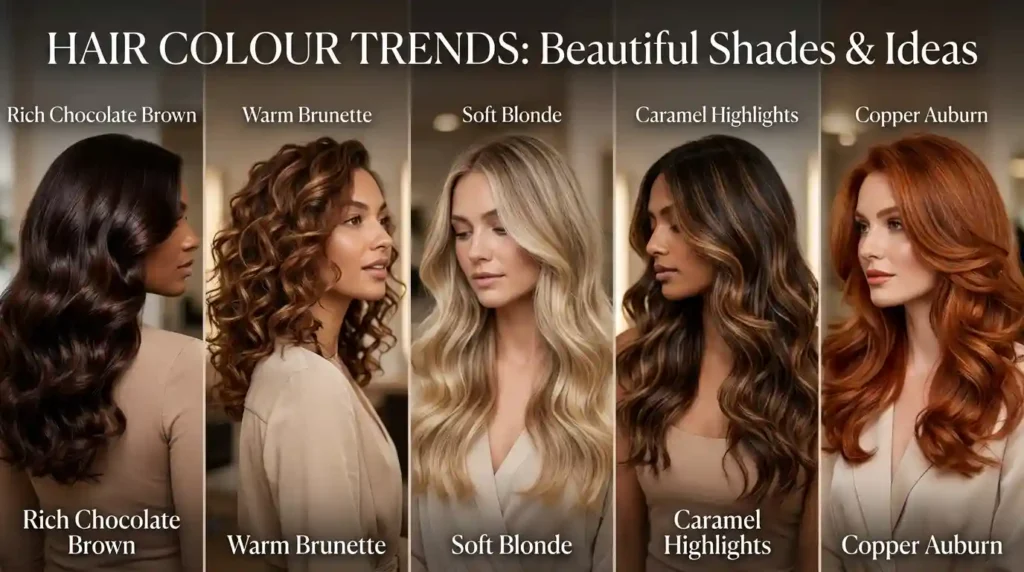
Hair colour can refresh a hairstyle without changing its length or overall shape. The right shade depends on personal preference, natural colour, maintenance requirements, and the result you want.
Warm Brunette Shades
Warm brunette shades include rich brown tones with subtle golden or caramel undertones. They can add dimension while keeping the overall appearance relatively natural.
If you prefer a softer change, ask about subtle highlights or a gloss treatment instead of a dramatic colour transformation.
Rich Chocolate Brown
Chocolate brown is a versatile colour choice for people who prefer deep, warm-looking shades. Depending on the formula and starting colour, it may create a glossy, polished appearance.
Using colour-safe hair products and following appropriate care instructions can help maintain the finish.
Soft Blonde Tones
Blonde shades range from creamy beige to golden and cooler tones. Choosing a shade involves considering your starting hair colour, the amount of lightening required, and your willingness to maintain the result.
Major colour changes may require several salon sessions. A professional colourist can help you understand the process and protect your hair’s condition.
Copper and Auburn Shades
Copper and auburn shades introduce warm red and orange tones. They can range from subtle reddish brown to brighter copper.
Because red-toned colours may fade with washing and exposure, ask your stylist about maintenance and suitable colour-protecting products before choosing a shade.
Natural-Looking Highlights
Highlights create dimension by adding lighter sections throughout the hair. Balayage and other blended colouring techniques can produce a softer transition between shades, depending on the application.
These options may suit people who want a multi-dimensional look rather than a single all-over colour. The maintenance required depends on the contrast, placement, and natural regrowth.
4. Trending Hairstyles for Everyday Wear
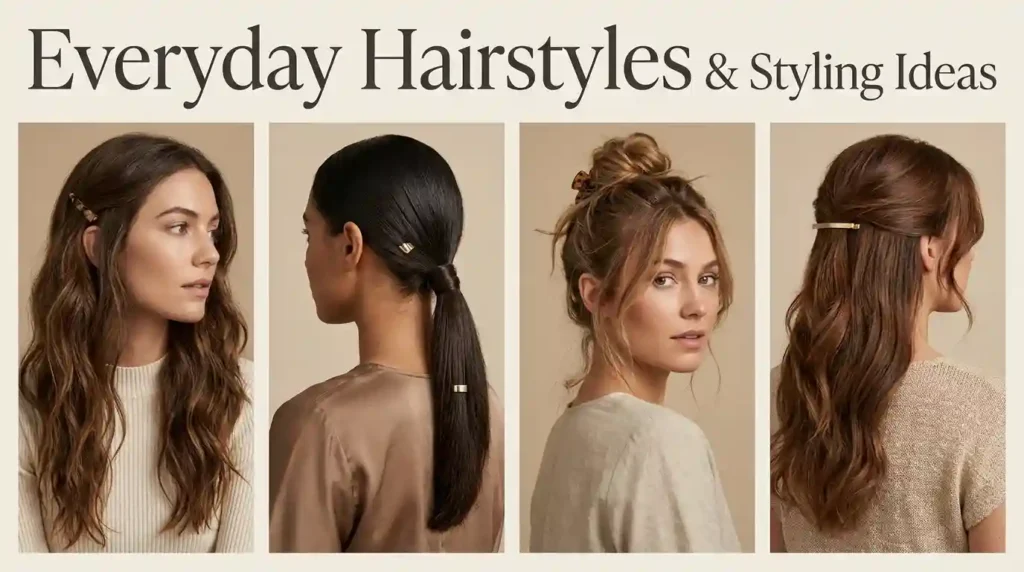
You do not need a complicated styling routine to explore different hairstyles. Simple techniques can make your existing haircut more versatile.
Loose Waves
Loose waves offer a relaxed finish that can work for everyday activities and special occasions. They can be created with suitable heat tools or heat-free methods, depending on your hair type.
If using a curling iron, apply an appropriate heat protectant and avoid excessive temperatures. Let the hair cool before gently separating the waves.
Sleek Ponytails
A sleek ponytail creates a neat, practical look. Brush the hair gently into position and use a hair tie that does not pull excessively.
Avoid tying your hair too tightly or wearing tension-heavy styles continuously, as repeated pulling can contribute to breakage and hair loss around the hairline.
Messy Buns
A messy bun is an easy option when you want to keep your hair away from your face. Gather the hair loosely, secure it with a suitable tie or clip, and allow a few strands to fall naturally if desired.
A loose bun can also be useful on busy days when you do not have time for a full styling routine.
Half-Up, Half-Down Hairstyles
This hairstyle combines loose hair with a small section secured at the back or crown. It works with many lengths and can be adapted for straight, wavy, or curly textures.
Try a simple clip, a small braid, or a soft tie to create different variations.
Braids and Simple Updos
Braids can be practical, decorative, and suitable for many occasions. Options include simple three-strand braids, French braids, loose side braids, and braided buns.
Choose a comfortable tension and avoid styles that cause pain or pull heavily at the roots.
5. Hair Extensions Trends: Length, Volume and Styling Ideas
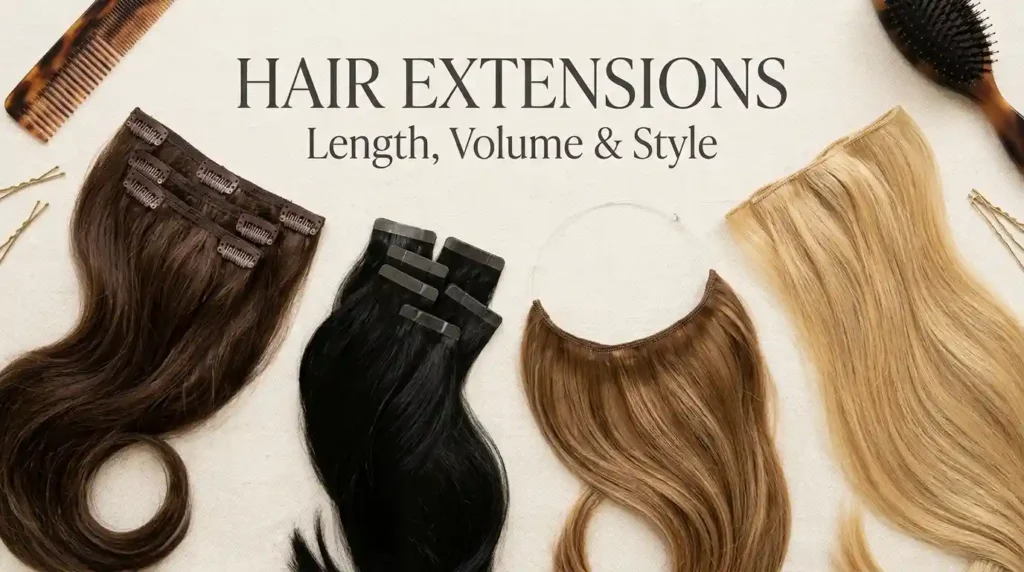
Hair extensions provide another way to experiment with hair trends. They can add length, volume, or colour effects without requiring you to wait for your natural hair to grow.
The right type depends on your hair texture, desired result, budget, lifestyle, and how much maintenance you can manage.
Clip-In Hair Extensions
Clip-in extensions are removable pieces attached using small clips. They can be useful for occasional styling, celebrations, photography, or trying a longer look before committing to a longer-term option.
Choose a colour and texture that blend with your natural hair. Distribute the pieces carefully and avoid attaching them in a way that causes discomfort or pulls on fragile hair.
Tape-In Hair Extensions
Tape-in extensions use adhesive tabs to attach extension sections to the natural hair. They can create a relatively flat appearance when correctly installed.
Professional application and maintenance are important because unsuitable placement or removal may cause tangling, breakage, or tension on natural hair. Follow your stylist’s advice about washing, brushing, and maintenance appointments.
Sew-In Hair Extensions
Sew-in extensions are commonly attached to braided natural hair. They may be considered by people whose hair texture and condition are suitable for this method.
The braids and extensions should not be installed too tightly. Pain, persistent scalp tenderness, or pulling around the hairline are signs that the style needs attention.
Keratin Bond Hair Extensions
Keratin bond extensions use small bonded sections to attach extension strands to natural hair. They can offer a more individualised placement, but the installation and removal process requires appropriate professional techniques.
Consider the time, cost, and maintenance involved before choosing this option. Incorrect application or removal may damage natural hair.
Halo Hair Extensions
Halo extensions are designed to sit around the head using a fine wire, making them a removable alternative to bonded or taped extensions.
They may be useful for adding temporary length and volume without attaching each section directly to the hair. Fit is important, so choose an option that sits comfortably and securely.
Curly, Wavy and Colour-Blended Extensions
Extensions are available in a range of textures and shades. Curly or wavy pieces can add fullness, while colour-blended options can create highlights or contrast without colouring your natural hair.
For a natural result, match the extension texture to your usual hairstyle and select a shade that blends well in daylight.
How to Choose the Right Hair Extensions
Before purchasing extensions, consider these factors:
- Desired result: Decide whether you want added length, extra volume, temporary colour, or a combination.
- Hair texture: Choose extensions that blend with your natural pattern.
- Budget: Include the cost of installation, maintenance, products, and removal where applicable.
- Lifestyle: Consider how often you exercise, swim, wash your hair, or change hairstyles.
- Hair condition: If your hair is fragile or your scalp is sensitive, seek professional advice before choosing a method.
- Maintenance: Understand the care requirements before committing to a particular type.
Hair Extension Care Tips
Brush extensions gently, starting at the ends and working upward. Follow the care instructions for the specific extension type, especially when washing, drying, and using styling tools.
Avoid excessive pulling, heavy tension, and unsuitable products around attachment points. Extensions should feel comfortable rather than painful. If you notice persistent irritation, scalp pain, or unusual breakage, consult a qualified stylist or healthcare professional as appropriate.
6. Hair Trends for Different Hair Types
A trend is most useful when it works with your natural hair rather than requiring constant effort to change it.
Straight Hair
Straight hair can showcase sleek bobs, blunt cuts, long layers, and smooth ponytails. Lightweight products may help maintain movement without weighing the hair down.
For extra volume, consider a cut and styling technique suited to your hair density.
Wavy Hair
Wavy hair works well with textured layers, loose styles, and beach-inspired waves. A suitable leave-in conditioner or styling cream can help define the natural pattern.
Avoid brushing waves aggressively when dry if it causes unwanted frizz.
Curly Hair
Curly hair offers natural volume and definition. Shaped layers, curly bobs, and longer cuts can all work depending on the curl pattern and preferred length.
Use conditioning products suited to your hair and detangle gently to reduce unnecessary breakage.
Coily and Textured Hair
Coily and tightly textured hair can be styled in many ways, including twist-outs, braids, defined natural curls, buns, and protective styles.
Focus on gentle detangling, moisture, and comfortable styling tension. Protective styles should not be so tight that they cause pain or persistent pulling.
7. How to Choose the Right Hair Trend
A hairstyle may look attractive in a photograph but require more time or maintenance than you want. Consider the following before making a change.
Think About Your Daily Routine
If you prefer quick mornings, choose a cut that looks good with minimal styling. If you enjoy using styling tools, you may be comfortable with a more structured look.
Consider Your Hair Texture and Density
Your natural texture, density, and growth pattern affect how a cut falls and how much styling it needs. A professional stylist can help adapt an inspiration photo to your hair.
Be Realistic About Maintenance
Some colours require regular root touch-ups, while certain haircuts need frequent trims to maintain their shape. Extensions may require specialist maintenance and removal.
Ask about the expected time and cost before choosing a style.
Use Inspiration Photos as a Starting Point
Save photographs that show the style you like from different angles. Discuss what you like about each image, whether it is the length, colour, texture, or overall shape.
The goal is to adapt the inspiration to your personal preferences rather than copy it exactly.
8. Tips for Maintaining Healthy-Looking Hair

A good hairstyle is easier to enjoy when your everyday care routine suits your hair’s needs.
- Use suitable cleansing products: Choose shampoo and conditioner according to your scalp and hair type.
- Handle wet hair gently: Avoid rough towel drying and aggressive brushing.
- Limit excessive heat: Use lower suitable settings and heat protectant when styling.
- Trim when needed: Schedule trims according to your haircut and the condition of your ends.
- Protect your hair from friction: Consider gentle hair ties and suitable pillowcase fabrics if friction contributes to tangling.
- Avoid excessive chemical processing: Allow appropriate recovery time between major treatments and discuss risks with a qualified stylist.
- Maintain a balanced diet: Include a variety of nutritious foods rather than relying on unverified hair-growth supplements.
If you experience sudden or persistent hair loss, scalp inflammation, or unusual breakage, seek advice from a qualified healthcare professional.
9. Common Hair Styling Mistakes to Avoid
Following a trend without considering your own needs can make hair care more difficult. A few simple adjustments may help you avoid common problems.
Choosing a Style Only Because It Is Popular
A trend may not suit every hair texture or lifestyle. Look for a version that works with your natural hair and daily routine.
Using Too Much Heat
Frequent high-heat styling can contribute to dryness and breakage. Give your hair breaks from heat and use suitable protective products when needed.
Applying Too Many Products
Layering multiple products may leave hair feeling heavy or difficult to manage. Start with small amounts and add more only when necessary.
Wearing Tight Hairstyles or Extensions
Repeated tension can damage the hair, especially around the hairline. Choose comfortable styles and take action if a hairstyle causes pain or pulling.
Ignoring Maintenance Requirements
Hair colour, short cuts, and extensions may need ongoing care. Understand the maintenance requirements before committing to a look.
Conclusion
Hair trends offer many ways to refresh your appearance, from modern haircuts and natural-looking colours to versatile hairstyles and hair extensions. However, the best choice is one that suits your hair texture, personal style, daily routine, and maintenance budget.
Start by exploring a few options that interest you. Discuss significant cuts, colour changes, or extensions with a qualified stylist, and choose a care routine that helps keep your hair comfortable and manageable.
You do not need to follow every new trend to develop your personal style. A thoughtful choice that works for your everyday life can be just as stylish as the latest look.
Frequently Asked Questions
1. What are the most popular hair trends?
Popular styles include soft layers, textured cuts, classic bobs, loose waves, natural-looking colours, and versatile updos. The best choice depends on your hair type and personal preferences.
2. Which hairstyles are easy to maintain?
Simple bobs, natural textures, loose ponytails, and uncomplicated layered cuts may be easier to maintain, depending on your hair. Ask your stylist how much daily styling your chosen cut will require.
3. What hair colours look natural?
Natural-looking options include shades close to your base colour, soft brunette tones, subtle highlights, and blended balayage. The best shade depends on your starting colour and desired result.
4. Are hair extensions suitable for everyone?
Not necessarily. Suitability depends on hair condition, scalp health, extension method, and maintenance. Extensions should not cause pain or excessive tension. A qualified stylist can help you choose an appropriate option.
5. Which hair extensions are best for temporary use?
Clip-in and halo extensions are commonly used for temporary styling because they can be removed without leaving them attached permanently. Follow the product instructions and avoid any fit that pulls on your hair.
6. How can I make my hairstyle last longer?
Use suitable styling products, avoid unnecessary touching, protect your hair from excess heat and friction, and follow care instructions for your particular style. The best method depends on your hair texture and the look you want.
7. How often should I change my hairstyle?
There is no required schedule. You can change your haircut, colour, or styling routine whenever you want, while considering the condition of your hair and the maintenance involved.