
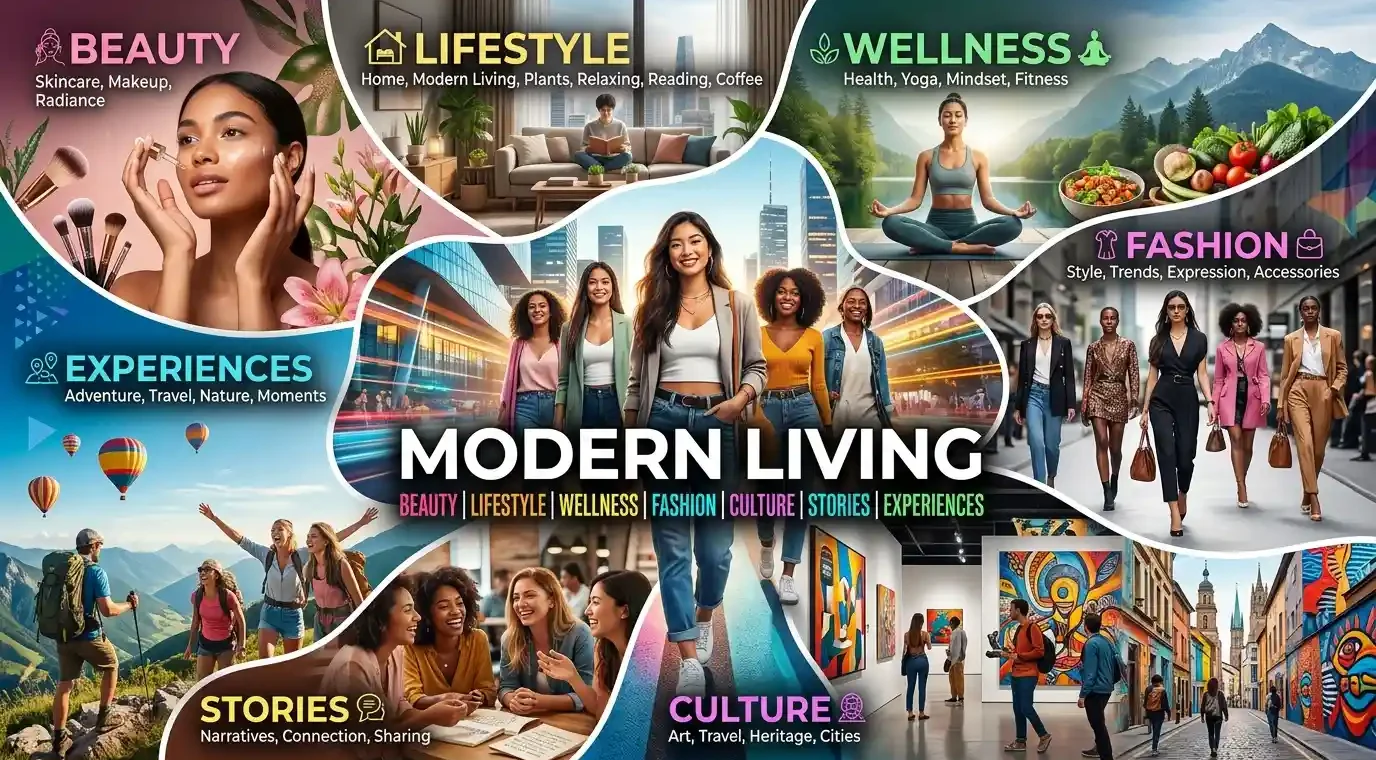
Our content is built around seven major areas: Beauty, Lifestyle, Wellness, Fashion, Culture, Stories, and Experiences. Beauty explores skincare, haircare, makeup, grooming, personal care, and simple routines that help readers feel confident. Lifestyle focuses on everyday habits, routines, home ideas, and practical ways to enjoy daily life. Wellness covers balanced living, self-care, healthy habits, and overall wellbeing. Fashion brings together wardrobe inspiration, personal style, seasonal looks, and changing trends.
Beyond personal style and wellbeing, Culture explores traditions, creativity, ideas, and influences that shape modern society. Stories share perspectives, experiences, and human moments, while Experiences encourage readers to discover memorable activities, places, and ways of enjoying life. Together, these seven areas make Nesifyd a destination for discovering inspiration across the many sides of modern living.
Beauty — Building a Personal Beauty Routine
Beauty is about much more than products, makeup, or following the latest trend. It is about understanding your personal needs, developing healthy habits, and creating a routine that makes you feel comfortable and confident.
At Nesifyd, beauty covers the complete picture of personal care. From skincare and hair health to makeup, grooming, beauty products, and everyday routines, the goal is to make beauty practical, approachable, and easy to understand.
A good beauty routine does not need dozens of products or complicated steps. Instead, it should fit your lifestyle, support your personal needs, and be simple enough to maintain consistently.
Skincare & Skin Health
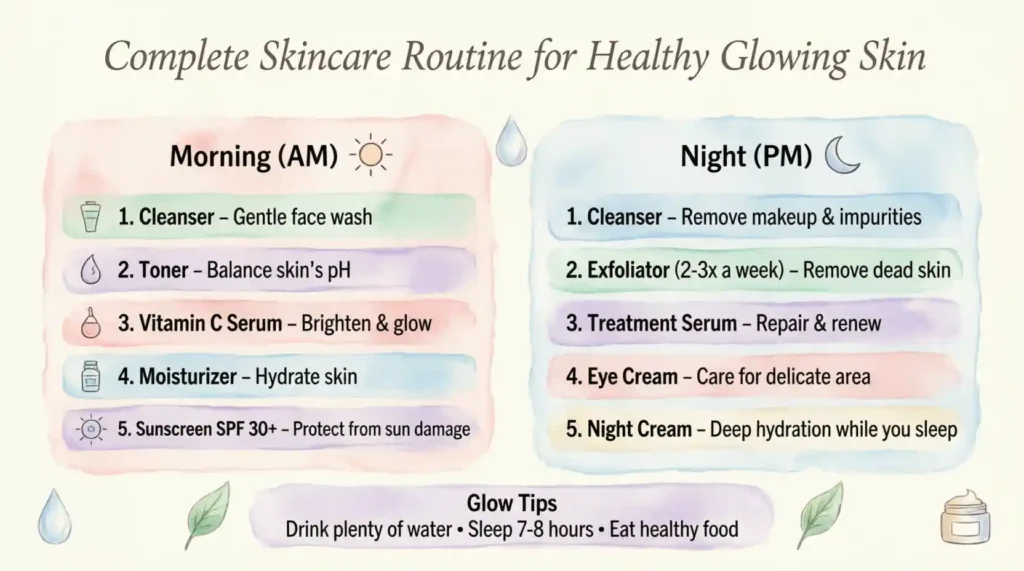
Healthy-looking skin begins with consistent everyday care. Cleansing, moisturizing, sun protection, hydration, and choosing suitable products can all play a role in maintaining comfortable and well-cared-for skin.
Skincare needs can also change with age, seasons, environment, and lifestyle. That is why understanding your own skin is often more useful than copying someone else’s routine.
Important skincare areas include:
- Daily morning and evening skincare
- Cleansing and moisturizing
- Sun protection
- Skin hydration
- Skin barrier care
- Skincare ingredients
- Seasonal skincare
- Skincare for different skin types
- Common skincare mistakes
- Beginner-friendly skincare routines
| Skincare Area | Main Focus | Everyday Approach |
|---|---|---|
| Cleansing | Remove buildup | Use a gentle cleanser |
| Moisturizing | Maintain comfort | Choose a suitable moisturizer |
| Sun Protection | Daily protection | Apply broad-spectrum sunscreen |
| Hydration | Support skin comfort | Maintain regular hydration |
| Treatment | Specific concerns | Choose products based on individual needs |
The most effective routine is usually the one you can follow consistently. Adding too many products at once can also make it difficult to understand what works for your skin.
Haircare & Hair Health
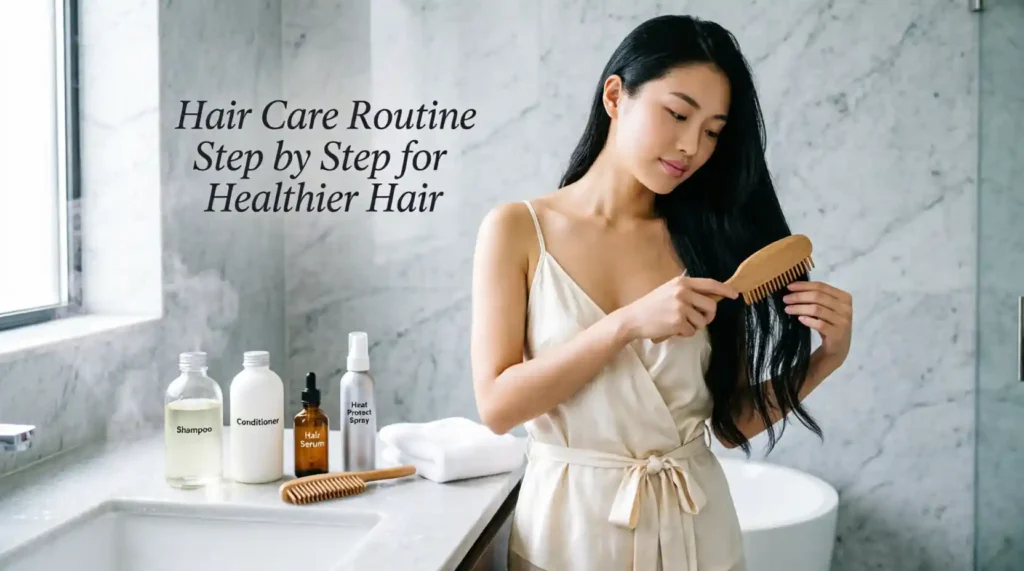
Haircare is another important part of personal beauty. Healthy-looking hair requires more than styling; regular cleansing, conditioning, gentle handling, and attention to scalp health can help maintain its appearance.
Different hair types may require different approaches. Curly, straight, fine, thick, dry, or oily hair can each benefit from routines designed around their specific characteristics.
Haircare topics can include:
- Everyday haircare routines
- Scalp care
- Hair washing techniques
- Conditioning
- Hair hydration
- Heat protection
- Hair styling
- Haircare ingredients
- Hair damage prevention
- Seasonal haircare
- Tips for different hair types
| Haircare Step | Purpose | Simple Habit |
|---|---|---|
| Cleansing | Remove buildup | Cleanse according to hair needs |
| Conditioning | Improve softness | Use conditioner regularly |
| Scalp Care | Support scalp comfort | Keep the scalp clean and cared for |
| Protection | Reduce damage | Limit unnecessary heat |
| Styling | Create desired looks | Handle hair gently |
Rather than constantly changing products because of trends, readers can learn to understand their hair and create a routine that works for their lifestyle.
Makeup & Beauty Techniques
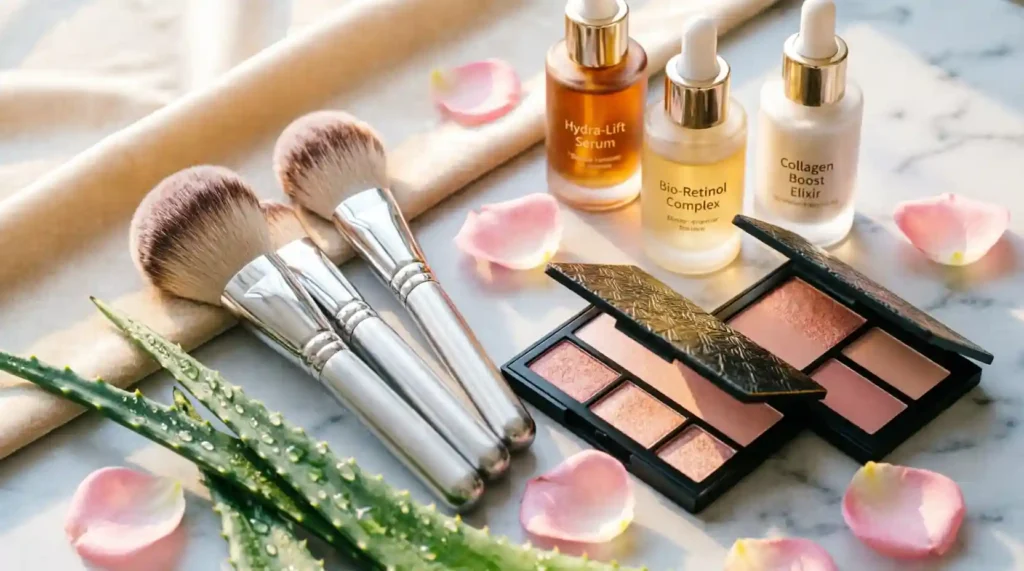
Makeup can be both practical and creative. Some people prefer a minimal everyday look, while others enjoy experimenting with bold colors, different finishes, and seasonal trends.
Learning basic techniques can make makeup easier, especially for beginners. Good application is often about understanding preparation, blending, placement, and choosing products that suit the desired look.
Makeup topics include:
- Beginner makeup techniques
- Natural makeup looks
- Everyday makeup
- Base makeup
- Foundation and complexion tips
- Eye makeup
- Lip makeup
- Blending techniques
- Makeup organization
- Seasonal makeup trends
- Common makeup mistakes
| Makeup Area | Beginner Focus | Useful Technique |
|---|---|---|
| Base | Even appearance | Blend products gradually |
| Eyes | Definition | Start with simple shades |
| Brows | Shape and balance | Follow natural brow structure |
| Cheeks | Fresh appearance | Apply lightly and blend |
| Lips | Definition | Choose a comfortable formula |
Makeup should enhance personal expression rather than create pressure to look a certain way. The best techniques are the ones that make you feel confident and comfortable.
Personal Grooming
Personal grooming includes the everyday details that help people feel fresh, comfortable, and prepared. It goes beyond makeup and can include body care, nail care, facial grooming, oral care, fragrance, and general hygiene.
Grooming routines can be simple. A few consistent habits often have a greater impact than an unnecessarily complicated routine.
Personal grooming can include:
- Daily hygiene
- Facial grooming
- Body care
- Hand and nail care
- Lip care
- Oral care
- Hair removal
- Fragrance
- Grooming essentials
- Travel-friendly grooming
- Self-care habits
| Grooming Area | Everyday Focus | Simple Habit |
|---|---|---|
| Hands & Nails | Clean and neat appearance | Keep nails maintained |
| Body Care | Cleanliness and comfort | Follow regular hygiene |
| Lips | Comfort and moisture | Use suitable lip care |
| Oral Care | Daily hygiene | Maintain consistent oral care |
| Fragrance | Personal freshness | Choose a scent that suits you |
Personal grooming should fit naturally into everyday life. It is not about perfection but about creating habits that help you feel comfortable and confident.
Beauty Products & Trends

The beauty industry constantly introduces new products, ingredients, tools, techniques, and trends. While these developments can be exciting, not every new product is necessary for everyone.
Smart beauty choices begin with understanding what you actually need. Instead of buying something simply because it is trending, consider its purpose, ingredients, suitability, and how it fits into your existing routine.
Beauty product and trend topics include:
- Skincare products
- Makeup products
- Haircare products
- Beauty tools
- Popular ingredients
- Product comparisons
- New beauty trends
- Seasonal trends
- Beauty innovations
- Product guides
- Smart beauty shopping
| Product Category | What to Consider | Best Approach |
|---|---|---|
| Skincare | Skin needs | Focus on useful essentials |
| Makeup | Desired finish | Choose products you will use |
| Haircare | Hair type | Match products to hair needs |
| Tools | Purpose | Select practical tools |
| Trending Products | Personal suitability | Research before adding them |
Beauty trends can be a source of inspiration, but personal needs should always come first. A balanced beauty routine should be useful rather than overwhelming.
Simple Everyday Beauty Routines

A beauty routine becomes much easier when it fits naturally into your schedule. You do not need to spend hours every morning or evening to take care of yourself.
The key is to identify essential steps and repeat them consistently. A simple routine can also leave room for additional care when you have more time.
A basic everyday routine may include:
- Cleanse the skin
- Moisturize according to skin needs
- Apply daily sun protection
- Keep hair clean and gently handled
- Follow basic grooming habits
- Use simple makeup when desired
- Keep beauty tools clean
- Maintain regular personal care
- Adjust products when your needs change
| Time | Beauty Focus | Example Routine |
|---|---|---|
| Morning | Skin & freshness | Cleanse, moisturize, protect |
| Daytime | Maintenance | Hydration and simple grooming |
| Evening | Skin care | Remove makeup, cleanse, moisturize |
| Haircare Days | Hair health | Cleanse, condition, protect |
| Weekly | Extra care | Hair, nails, grooming, organization |
A routine should not feel like another difficult responsibility. When beauty habits are simple and realistic, they are easier to maintain over time.
Creating a Beauty Routine That Fits You
There is no single beauty routine that works for everyone. Personal preferences, skin and hair needs, available time, budget, lifestyle, and environment can all influence which products and habits are most suitable.
Someone with a busy schedule may prefer a short routine with only essential steps. Someone who enjoys beauty as a form of self-expression may prefer a longer routine that includes makeup experimentation, styling, or additional personal-care steps.
For busy mornings:
- Keep skincare simple.
- Focus on essential protection.
- Choose easy grooming steps.
- Use quick makeup techniques when desired.
For evenings:
- Remove makeup properly.
- Cleanse the skin.
- Follow suitable moisturizing or treatment steps.
- Give hair and personal grooming attention when needed.
For weekends or self-care time:
- Organize beauty products.
- Give hair additional care.
- Maintain nails.
- Experiment with a new makeup technique.
- Review whether your current products still suit your needs.
Building a Smarter Beauty Collection
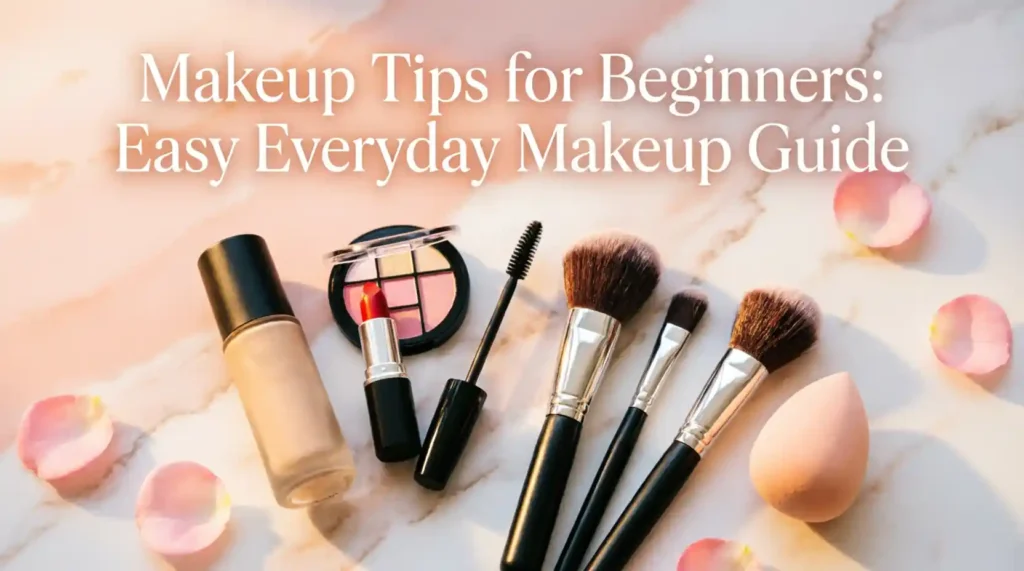
A beauty collection does not have to be large to be useful. The goal is to have products that serve a purpose and fit naturally into your routine.
Before purchasing something new, ask yourself whether it fills a genuine need, whether you are likely to use it regularly, and whether it works with the rest of your routine.
Helpful considerations include:
- What is the product designed to do?
- Does it suit your personal needs?
- Do you already own something similar?
- Can it fit into your current routine?
- Is the trend influencing the purchase more than the actual need?
- Will you realistically use it?
This approach can make beauty routines more organized while reducing unnecessary product buildup.
Exploring Beauty Through Nesifyd
The Beauty category on Nesifyd is designed to bring different areas of personal care together in one organized content hub. Readers can discover information about skincare, haircare, makeup, grooming, beauty products, trends, and simple routines.
The Beauty pillar can later connect to more focused articles, allowing readers to move from broad guidance to detailed topics based on their interests.
Future Beauty content can include:
- Skincare routines
- Haircare guides
- Makeup tutorials
- Product reviews
- Beauty trends
- Skincare ingredient guides
- Hair health articles
- Grooming guides
- Seasonal beauty tips
- Beginner beauty guides
- Everyday beauty routines
Beauty as Part of Modern Living
Beauty is ultimately about personal care, confidence, creativity, and self-expression. It can be as simple as following a basic skincare routine, caring for your hair, keeping up with grooming, or experimenting with a makeup look you enjoy.
Modern beauty is not about following every trend or achieving an unrealistic standard. It is about discovering what works for you and creating habits that feel practical and enjoyable.
Through its Beauty category, Nesifyd aims to provide useful inspiration for different routines, preferences, and lifestyles. From skincare and haircare to makeup, grooming, products, trends, and everyday beauty habits, every topic can help readers make more informed and confident choices.
Beauty Pillar Content Structure
The main Beauty Pillar Page can later connect readers with detailed articles covering:
- Skincare Routines — Daily routines, seasonal care, and skin-focused guides
- Haircare Guides — Hair health, routines, styling, and maintenance
- Makeup Tutorials — Beginner techniques, everyday looks, and trend-based tutorials
- Product Reviews — Detailed looks at beauty and personal-care products
- Beauty Trends — Seasonal trends, new techniques, and emerging beauty ideas
- Personal Grooming — Practical grooming and self-care guidesillar-and-article structure allows Nesifyd to build a clear beauty content hub while giving readers an easy way to discover deeper information about the topics that matter most to them.
- Beauty Ingredients — Educational guides explaining popular ingredients and their uses
Lifestyle — Creating a Better Everyday Life
Lifestyle is about the choices, routines, habits, relationships, and environments that shape everyday life. It is not simply about having a busy schedule or following popular trends. Instead, a meaningful lifestyle comes from understanding what makes daily life more comfortable, productive, balanced, and enjoyable.
At Nesifyd, the Lifestyle category explores practical ways to improve everyday living while keeping personal preferences and real-life responsibilities in mind. From morning routines and productivity to home spaces, relationships, digital habits, and intentional choices, lifestyle is connected to many parts of modern life.
A better lifestyle does not require changing everything at once. Small improvements, such as organizing your day, creating a comfortable home environment, spending meaningful time with others, or reducing unnecessary digital distractions, can gradually improve overall quality of life.
Daily Routines & Habits
Daily routines provide structure to everyday life. Simple habits can make mornings easier, reduce unnecessary stress, and create more consistency throughout the day.
A routine does not need to be complicated. The most useful routines are realistic enough to follow regularly and flexible enough to change when circumstances change.
Useful daily habits can include:
- Starting the day with a clear plan
- Setting realistic priorities
- Keeping regular sleep and wake times
- Making time for meals and hydration
- Creating short breaks during busy days
- Keeping personal spaces organized
- Preparing for the next day in advance
- Making time for hobbies and relaxation
- Reviewing daily goals before bedtime
| Daily Area | Simple Habit | Potential Benefit |
|---|---|---|
| Morning | Plan key tasks | More organized start |
| Work/Study | Take short breaks | Better focus |
| Meals | Follow regular meal times | More consistent routine |
| Evening | Prepare for tomorrow | Less morning stress |
| Night | Reduce unnecessary screen time | More relaxing evening |
The goal is not to make every hour productive. A healthy routine should also include rest, personal time, and activities that bring enjoyment.
Productivity & Organization
Productivity is not about staying busy every minute. It is about using time and energy wisely so important responsibilities can be completed without creating unnecessary pressure.
Organization can make everyday tasks easier. Simple systems such as to-do lists, calendars, reminders, and organized workspaces can help people understand what needs attention and what can wait.
Practical productivity habits include:
- Prioritizing important tasks
- Breaking large projects into smaller steps
- Using a daily or weekly planner
- Keeping frequently used items organized
- Reducing unnecessary multitasking
- Setting realistic deadlines
- Creating focused work periods
- Reviewing unfinished tasks
- Removing distractions when possible
| Productivity Method | How It Works | Best For |
|---|---|---|
| To-Do List | Records daily tasks | Everyday planning |
| Calendar | Organizes appointments | Busy schedules |
| Time Blocking | Assigns time to tasks | Focused work |
| Task Priorities | Separates important tasks | Managing workload |
| Weekly Review | Reviews progress | Long-term organization |
Being productive also means knowing when to stop. Rest and recovery are important parts of sustainable productivity because constantly working without breaks can make routines harder to maintain.
Home & Personal Spaces
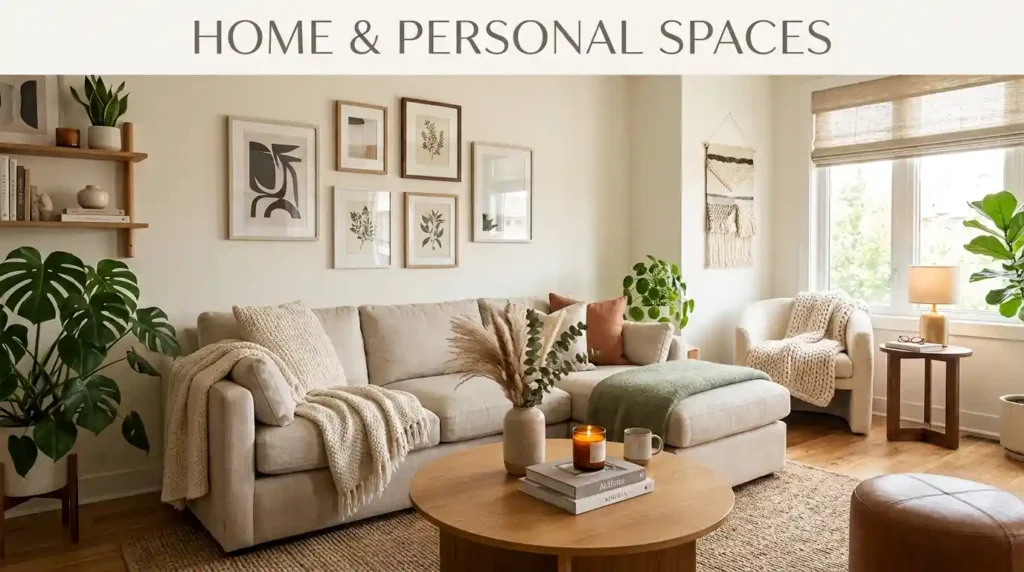
The spaces around us can influence how comfortable and organized everyday life feels. A home does not need to look perfect or follow a particular design trend to feel welcoming.
Personal spaces should reflect how people actually live. Organization, comfort, functionality, and personal style can work together to create an environment that feels practical and enjoyable.
Home and personal-space ideas include:
- Decluttering unnecessary items
- Organizing frequently used belongings
- Creating a comfortable bedroom
- Improving workspace organization
- Adding personal decorative touches
- Using storage effectively
- Keeping everyday essentials accessible
- Creating relaxing areas
- Refreshing spaces seasonally
| Space | Main Purpose | Simple Improvement |
|---|---|---|
| Bedroom | Rest | Keep it comfortable and uncluttered |
| Workspace | Focus | Organize essential supplies |
| Living Area | Relaxation | Keep seating practical and inviting |
| Kitchen | Everyday tasks | Organize frequently used items |
| Personal Corner | Me-time | Create a small relaxing space |
A well-organized home can make daily tasks feel easier. However, organization should serve the people living in the space rather than creating pressure to maintain a perfect appearance.
Relationships & Social Life

Relationships are an important part of everyday wellbeing and quality of life. Family, friends, colleagues, and communities can all contribute to meaningful social experiences.
Strong relationships often depend on communication, respect, trust, boundaries, and consistent effort. Even small actions, such as checking in with someone or making time for a conversation, can help maintain connections.
Healthy social habits can include:
- Making time for important people
- Listening carefully during conversations
- Communicating clearly
- Respecting personal boundaries
- Showing appreciation
- Making time for shared activities
- Supporting others when possible
- Addressing misunderstandings calmly
- Maintaining a balance between social time and personal time
| Relationship Area | Helpful Practice | Everyday Example |
|---|---|---|
| Communication | Listen and respond thoughtfully | Give conversations your attention |
| Family | Make meaningful time | Share meals or activities |
| Friendship | Stay connected | Send a message or make a call |
| Boundaries | Respect personal space | Communicate limits clearly |
| Social Life | Choose meaningful connections | Spend time with supportive people |
A healthy social life does not require constant interaction. Quality often matters more than quantity, and people need different amounts of social time depending on their personality and circumstances.
Digital Lifestyle
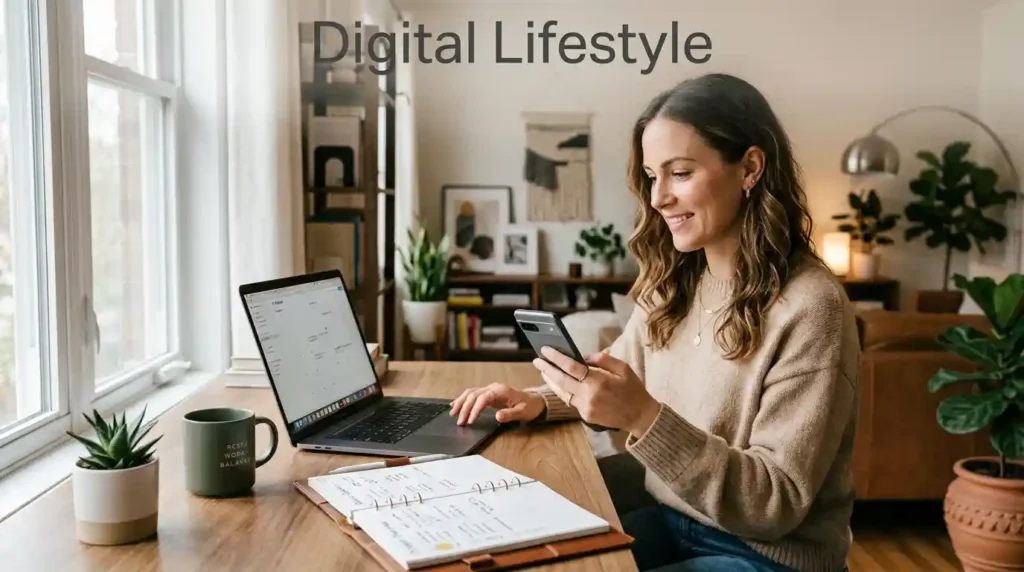
Technology is now part of work, education, communication, entertainment, shopping, and everyday organization. A digital lifestyle can make life easier, but excessive screen use or constant notifications can also become distracting.
Creating healthier digital habits can help people use technology intentionally instead of allowing devices to control every part of the day.
Digital lifestyle habits can include:
- Organizing digital files
- Managing notifications
- Taking regular screen breaks
- Limiting unnecessary scrolling
- Protecting personal information
- Keeping devices organized
- Using digital calendars and reminders
- Creating screen-free periods
- Unfollowing unnecessary content
- Reviewing the apps and platforms you regularly use
| Digital Area | Potential Issue | Better Habit |
|---|---|---|
| Social Media | Endless scrolling | Set intentional usage periods |
| Notifications | Constant interruptions | Disable unnecessary alerts |
| Files | Digital clutter | Organize folders regularly |
| Apps | Too many distractions | Remove rarely used apps |
| Screen Time | Reduced offline time | Schedule regular breaks |
Digital balance does not mean avoiding technology completely. Instead, it means deciding when technology is useful and when stepping away can improve focus, rest, or connection with others.
Simple Living & Intentional Choices
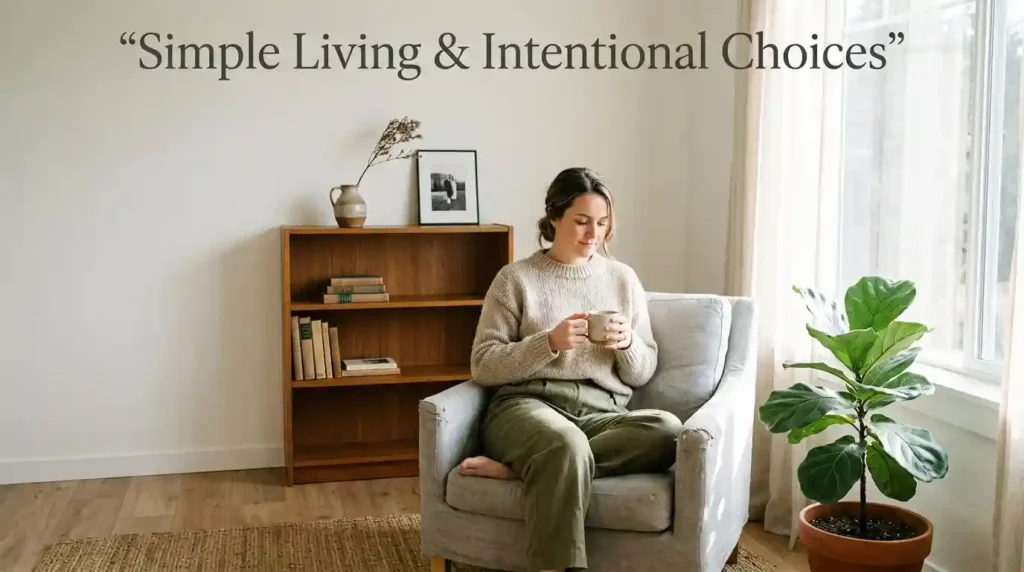
Simple living is not about owning as little as possible or following a strict lifestyle philosophy. It can simply mean being more intentional about what receives your time, money, attention, and energy.
Intentional choices encourage people to focus on what genuinely adds value to their lives while reducing unnecessary commitments, purchases, distractions, or habits.
Simple living can involve:
- Buying with purpose
- Reducing unnecessary clutter
- Choosing quality over excessive quantity
- Creating realistic schedules
- Spending time on meaningful activities
- Avoiding unnecessary commitments
- Simplifying daily routines
- Reviewing personal priorities
- Making space for rest
- Focusing on experiences as well as possessions
| Area | Less Intentional Approach | More Intentional Choice |
|---|---|---|
| Shopping | Buying because something is trending | Buy when it serves a real need |
| Schedule | Accepting every commitment | Choose priorities carefully |
| Home | Keeping unnecessary items | Keep useful and meaningful belongings |
| Digital Life | Constant scrolling | Use technology with purpose |
| Time | Filling every free moment | Leave room for rest |
Simple living can look different for everyone. The important part is creating a lifestyle that reflects personal priorities rather than constantly comparing everyday life with other people’s lifestyles.
Creating a Lifestyle That Works for You
There is no universal definition of a perfect lifestyle. A routine that works for one person may not work for another because people have different responsibilities, schedules, homes, relationships, interests, and goals.
Instead of trying to change everything at once, start with one area that would make everyday life easier. This could be organizing your morning, improving your workspace, reducing digital distractions, making more time for relationships, or simplifying your home.
Small lifestyle improvements can include:
- Planning tomorrow before going to bed
- Decluttering one small area at a time
- Creating a realistic morning routine
- Setting boundaries around screen time
- Scheduling time with people who matter
- Keeping a simple weekly plan
- Making room for hobbies
- Reviewing unnecessary commitments
- Creating a comfortable personal space
- Giving yourself time to rest
The purpose of lifestyle improvement is not to create a perfect schedule. It is to build everyday habits that support a more comfortable, organized, and meaningful life.
Lifestyle and Quality of Life
Lifestyle choices can influence how people experience their everyday lives. A well-organized routine may reduce unnecessary stress, a comfortable home can support relaxation, and meaningful relationships can create a stronger sense of connection.
Productivity, organization, digital habits, personal spaces, and social connections are also closely connected. Improving one area can sometimes make another area easier to manage.
For example, organizing a workspace may make it easier to focus, while reducing digital distractions can create more time for hobbies or relationships. Similarly, simplifying a daily routine can leave more space for rest and personal interests.
This is why lifestyle content should focus on practical improvements rather than unrealistic standards. The goal is to help readers find ideas they can adapt to their own lives.
Exploring Lifestyle Through Nesifyd
The Lifestyle category on Nesifyd is designed to become a broad resource for readers looking for practical ideas about everyday living. It brings together routines, productivity, organization, home life, relationships, digital habits, and intentional living.
Future Lifestyle content can explore specific topics in greater depth, allowing readers to find solutions for different parts of their everyday lives.
Future Lifestyle articles can include:
- Morning and evening routines
- Productivity tips
- Home organization ideas
- Personal space inspiration
- Relationship and social-life guidance
- Digital wellness and screen habits
- Simple living ideas
- Organization guides
- Time-management strategies
- Everyday lifestyle tips
- Intentional living ideas
- Home and lifestyle inspiration
Lifestyle Pillar Page
The Lifestyle Pillar Page on Nesifyd can serve as the central hub for all Lifestyle content. From this main page, readers can discover detailed articles covering different aspects of everyday life.
The pillar page can later connect to focused articles such as:
- Daily Routines & Habits — Morning routines, evening routines, and practical habits
- Productivity & Organization — Planning, time management, organization, and focus
- Home & Personal Spaces — Home organization, decor, comfort, and personal spaces
- Relationships & Social Life — Communication, connections, boundaries, and social experiences
- Digital Lifestyle — Screen habits, digital organization, social media, and technology
- Simple Living & Intentional Choices — Decluttering, mindful choices, purposeful spending, and balanced living
This structure allows the Nesifyd Lifestyle Pillar Page to introduce the overall topic while individual articles provide deeper information on specific lifestyle subjects.
Making Everyday Life Better
A better lifestyle does not have to come from dramatic changes. Often, meaningful improvement comes from small choices repeated consistently.
Whether it is creating a manageable routine, organizing a personal space, improving productivity, spending meaningful time with others, developing healthier digital habits, or simplifying unnecessary commitments, every small adjustment can contribute to a more comfortable everyday life.
Through its Lifestyle category, Nesifyd aims to provide practical inspiration for creating a life that feels organized, personal, balanced, and enjoyable. The focus is not on perfection but on finding realistic choices that fit different lifestyles and helping readers make everyday living a little better.
Wellness — Taking Care of Mind and Body
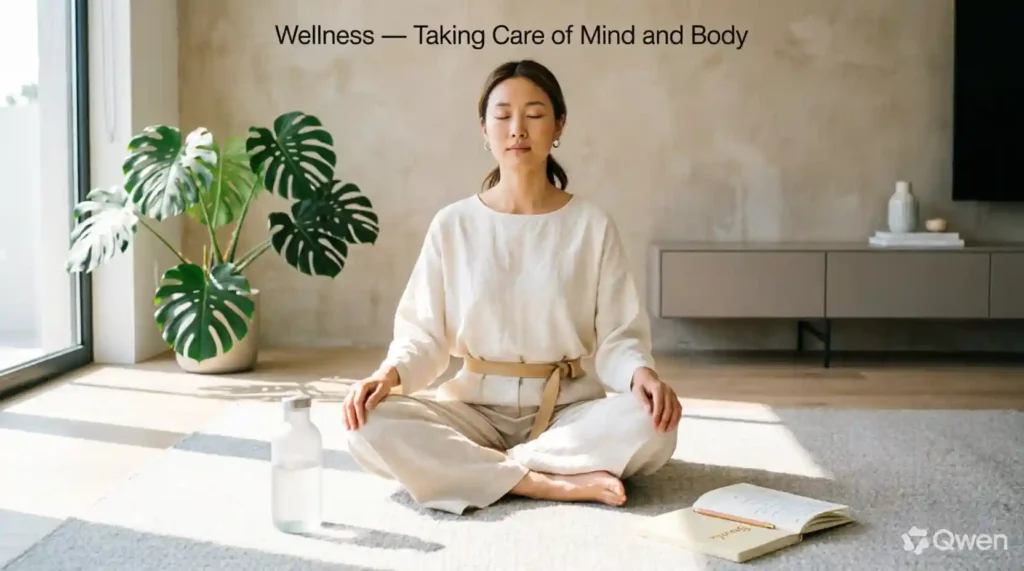
Wellness is an important part of modern living because feeling well involves more than one area of life. It can include physical wellbeing, mental and emotional balance, healthy everyday habits, quality sleep, balanced nutrition, stress management, and time for personal care. Rather than focusing on one aspect alone, a holistic approach looks at how different daily choices work together.
At Nesifyd, the Wellness category provides practical and informational ideas for creating healthier and more balanced everyday routines. Physical activity, rest, nourishing food choices, emotional awareness, relaxation, and self-care can all become part of a personal approach to wellbeing.
Wellness does not mean following a perfect routine or making dramatic changes overnight. Small, realistic habits can be easier to maintain and can help people become more aware of what supports their energy, comfort, focus, and everyday quality of life. Because everyone’s needs and circumstances are different, wellness should be flexible, personal, and based on informed choices.
Physical Wellness
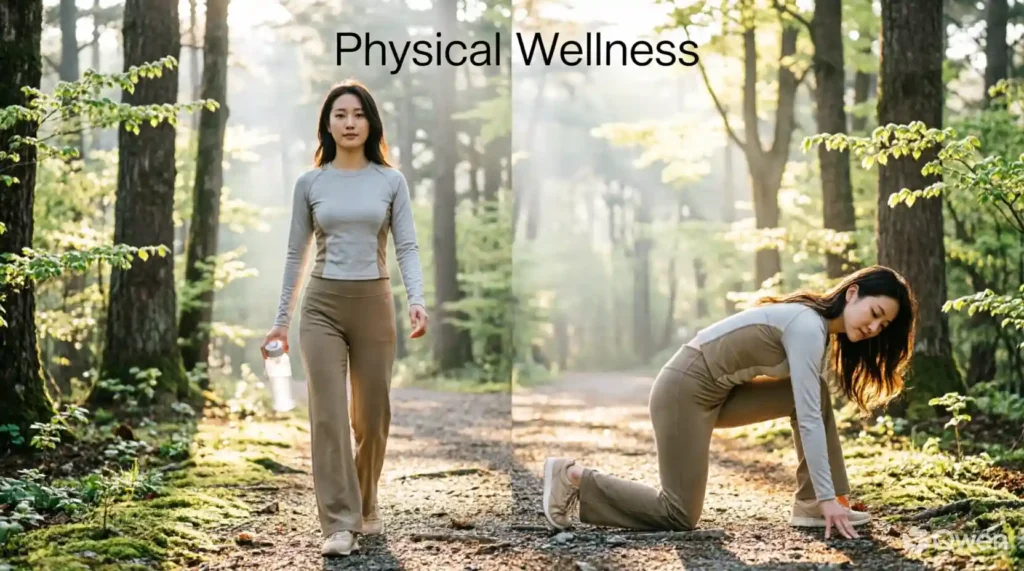
Physical wellness involves everyday choices that support the body and help people maintain an active and comfortable lifestyle. Movement, regular routines, hydration, rest, and basic personal care can all be considered parts of physical wellbeing.
Physical wellness does not require an intense fitness program. Different people may enjoy different forms of movement, from walking and stretching to recreational activities, strength exercises, dancing, or other activities they can safely and comfortably include in their routines.
Everyday physical wellness ideas include:
- Making regular movement part of the day
- Taking short activity breaks during long periods of sitting
- Choosing enjoyable forms of physical activity
- Staying hydrated throughout the day
- Paying attention to everyday posture and movement
- Spending some time outdoors when practical
- Creating realistic activity goals
- Allowing adequate recovery time
- Maintaining consistent personal-care habits
- Adjusting routines according to individual needs
| Physical Wellness Area | Everyday Focus | Simple Approach |
|---|---|---|
| Movement | Stay active | Choose enjoyable activities |
| Hydration | Support daily fluid intake | Keep water accessible |
| Mobility | Comfortable movement | Include gentle stretching |
| Activity Breaks | Avoid long periods of inactivity | Take short movement breaks |
| Recovery | Give the body time to rest | Balance activity with recovery |
The most useful physical wellness routine is one that fits naturally into everyday life. Consistency and enjoyment can make healthy habits easier to maintain than routines that feel unrealistic or overly demanding.
Mental & Emotional Wellbeing
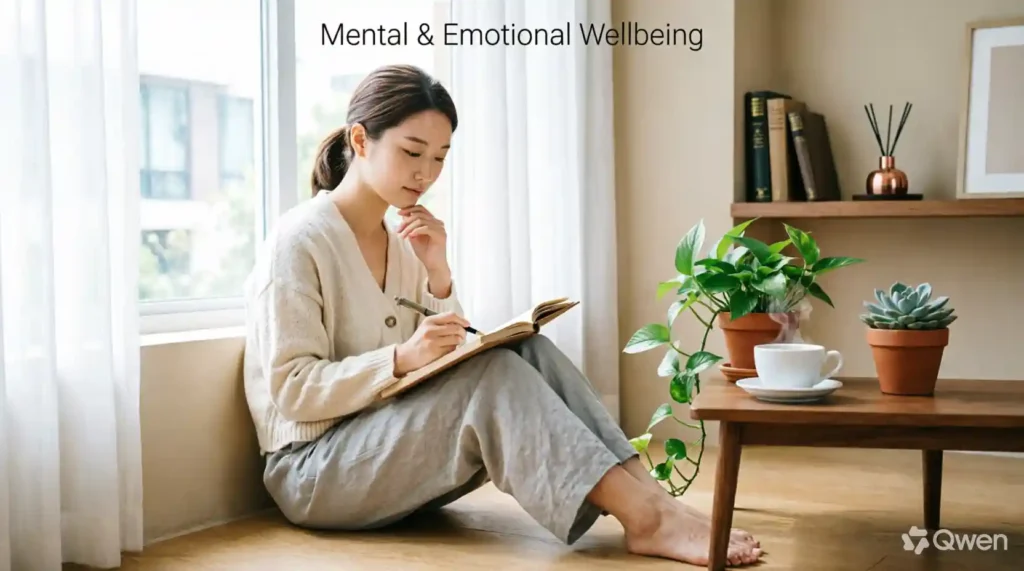
Mental and emotional wellbeing is another important part of a balanced lifestyle. Everyday experiences, responsibilities, relationships, work, study, and changes in routine can all influence how people feel.
Taking time to notice emotions and create space for rest can be valuable. This may involve journaling, talking with trusted people, spending time on enjoyable activities, practicing relaxation, or simply allowing yourself to step away from constant demands.
Supportive everyday practices can include:
- Making time for activities you enjoy
- Writing down thoughts or daily reflections
- Staying connected with supportive people
- Taking breaks from demanding tasks
- Practicing self-compassion
- Setting reasonable personal boundaries
- Creating quiet periods during busy days
- Spending time in nature or calming environments
- Recognizing when you need additional support
- Avoiding constant comparison with others
| Wellbeing Area | Helpful Practice | Everyday Example |
|---|---|---|
| Emotional Awareness | Notice how you feel | Keep a short journal |
| Social Connection | Maintain meaningful relationships | Talk with someone you trust |
| Personal Time | Create space for yourself | Enjoy a hobby |
| Relaxation | Slow down regularly | Take a quiet break |
| Boundaries | Protect your time and energy | Say no when appropriate |
Mental and emotional wellbeing can look different for everyone. There is no single routine that guarantees feeling positive all the time. Instead, the focus can be on developing supportive habits and recognizing when professional help may be appropriate for ongoing or serious concerns.
Healthy Habits
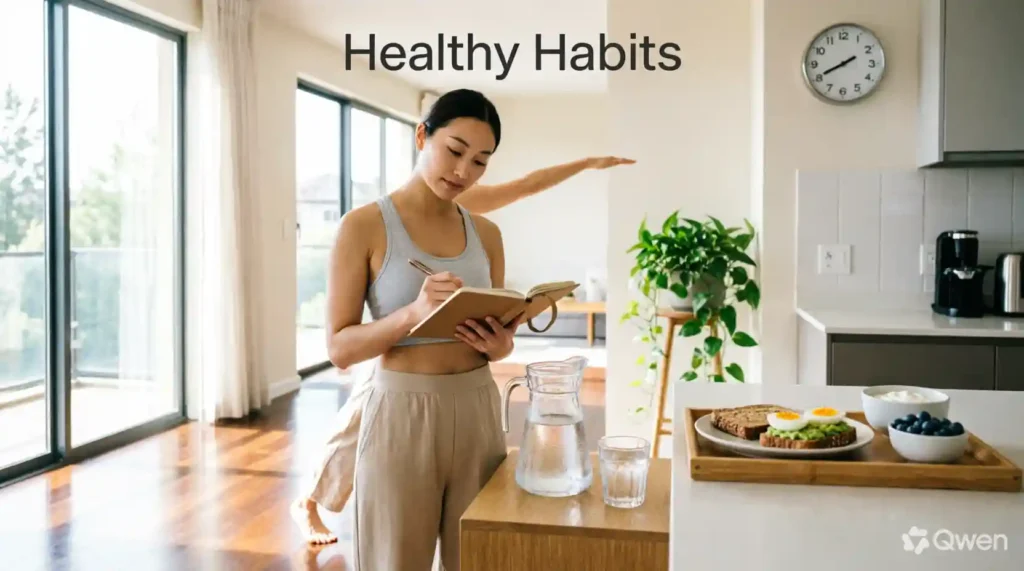
Healthy habits are the small choices that become part of everyday routines. They can include movement, hydration, balanced meals, regular sleep, personal hygiene, breaks, and making time for activities that support a balanced lifestyle.
Trying to change too many habits at once can feel overwhelming. Starting with one or two realistic changes can make the process more manageable.
Healthy lifestyle habits can include:
- Keeping a consistent daily routine
- Choosing balanced meals
- Drinking enough fluids for your individual needs
- Including regular movement
- Taking breaks during long work or study periods
- Maintaining personal hygiene
- Getting adequate rest
- Spending time with supportive people
- Making time for hobbies
- Limiting habits that interfere with everyday wellbeing
| Habit | Why It Matters in Everyday Life | Practical Idea |
|---|---|---|
| Regular Movement | Adds activity to the day | Walk, stretch, or exercise |
| Balanced Meals | Supports everyday nourishment | Include a variety of foods |
| Hydration | Supports normal daily body functions | Keep water nearby |
| Rest | Helps create balance | Schedule downtime |
| Personal Time | Supports enjoyment and relaxation | Make space for hobbies |
Healthy habits should be realistic rather than perfect. Missing a day or changing a routine does not mean the entire effort has failed. The goal is to create patterns that can adapt to real life.
Sleep & Rest
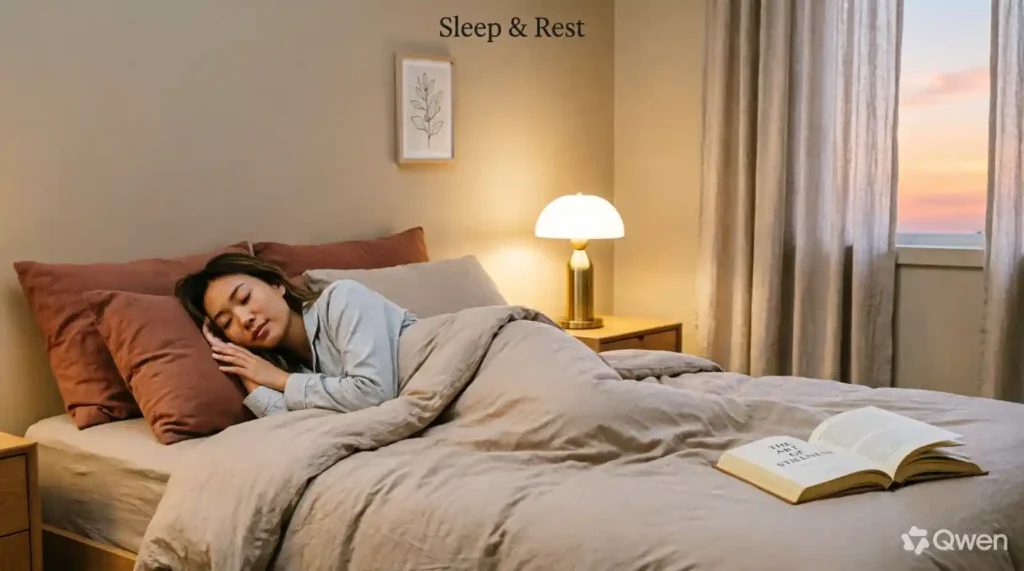
Sleep and rest are essential parts of everyday wellbeing. A busy lifestyle can make it easy to treat rest as something optional, but creating a consistent opportunity for quality sleep can be an important part of maintaining a balanced routine.
Rest is also broader than nighttime sleep. Short breaks, quiet activities, relaxing hobbies, and periods away from work or digital distractions can provide valuable downtime.
Helpful sleep and rest habits include:
- Keeping a consistent sleep schedule when possible
- Creating a comfortable sleeping environment
- Developing a relaxing evening routine
- Reducing unnecessary distractions before bedtime
- Giving yourself enough time to wind down
- Taking short breaks during busy days
- Making room for leisure activities
- Avoiding the habit of filling every free moment
- Keeping work and rest periods reasonably separate
- Paying attention to persistent sleep difficulties
| Rest Area | Simple Practice | Purpose |
|---|---|---|
| Evening Routine | Slow down before bed | Create a calmer transition |
| Bedroom | Keep the space comfortable | Support relaxation |
| Screen Break | Step away from devices | Reduce digital stimulation |
| Daytime Breaks | Pause between tasks | Create breathing space |
| Leisure | Enjoy hobbies | Make room for personal time |
Everyone’s sleep needs and schedules can differ. Persistent or concerning sleep problems are better discussed with a qualified healthcare professional rather than relying only on general lifestyle advice.
Nutrition & Balanced Living
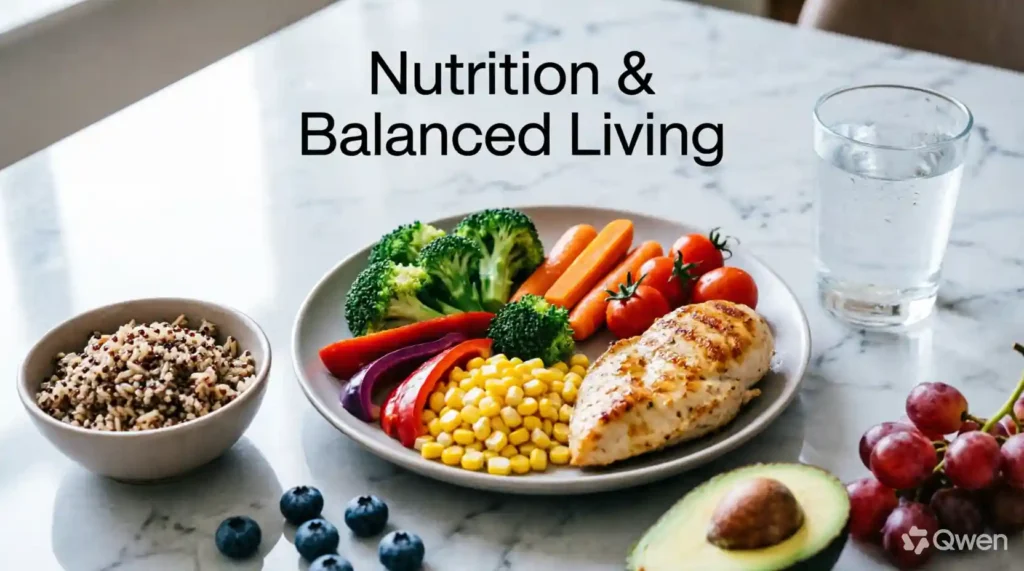
Nutrition is an important part of overall wellbeing, but balanced living is not about following one perfect diet or avoiding every food considered unhealthy. Eating patterns can vary according to culture, preferences, budget, lifestyle, and individual needs.
A balanced approach generally means paying attention to variety and making thoughtful food choices rather than focusing on restrictive rules. Meals can include a range of foods that provide different nutrients and help make eating enjoyable and sustainable.
Balanced-living ideas include:
- Include a variety of foods in meals
- Add fruits and vegetables regularly
- Choose nutritious protein sources
- Include suitable whole-grain or high-fiber foods
- Pay attention to hydration
- Enjoy meals without unnecessary guilt
- Plan meals when it makes everyday life easier
- Avoid relying on extreme food rules
- Consider individual dietary needs
- Learn about food choices from reliable sources
| Nutrition Focus | General Approach | Everyday Example |
|---|---|---|
| Variety | Include different food groups | Mix vegetables, grains, and protein |
| Fruits & Vegetables | Add colorful produce | Include them across meals |
| Protein | Include suitable sources | Beans, eggs, fish, dairy, or other options |
| Fiber | Include fiber-rich foods | Whole grains, fruits, vegetables |
| Hydration | Drink fluids regularly | Keep water available |
Nutrition information can become highly individual when allergies, medical conditions, medications, pregnancy, eating disorders, or other specific circumstances are involved. Those situations should be addressed with an appropriately qualified healthcare professional.
Stress Management & Self-Care
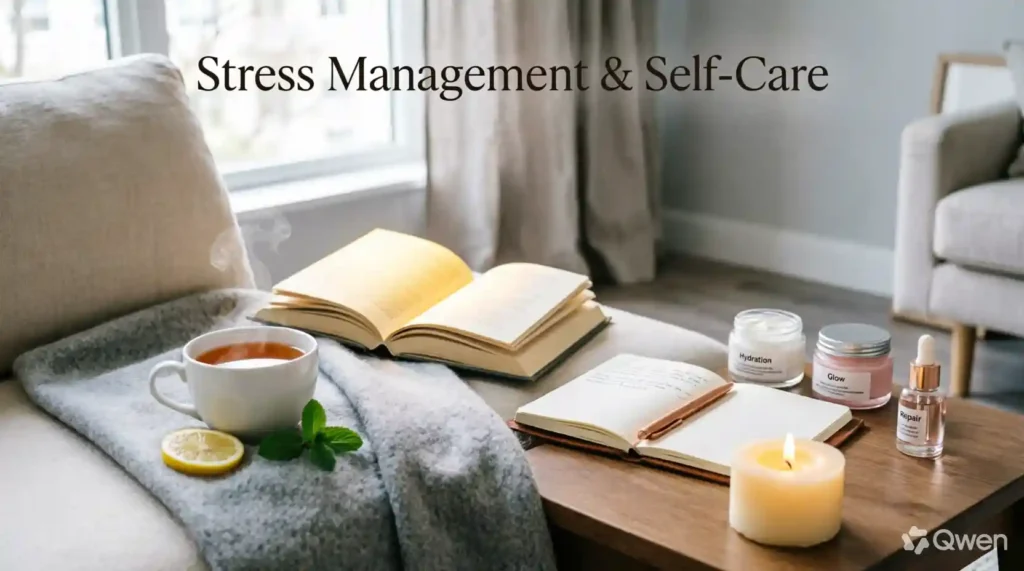
Stress can be part of everyday life, especially when people are balancing work, study, family responsibilities, relationships, finances, and personal goals. While everyday stress cannot always be eliminated, creating healthy ways to pause and manage demanding periods can support a more balanced lifestyle.
Self-care does not have to mean expensive treatments or long periods of free time. It can be as simple as taking a quiet break, enjoying a hobby, spending time with someone supportive, organizing your surroundings, or creating boundaries around your schedule.
Simple self-care practices include:
- Taking short breaks during demanding days
- Practicing slow breathing or relaxation techniques
- Spending time on enjoyable hobbies
- Going for a walk when practical
- Limiting unnecessary digital distractions
- Talking with supportive people
- Creating realistic daily expectations
- Making time for adequate rest
- Keeping personal spaces comfortable
- Saying no to unnecessary commitments
| Self-Care Area | Simple Idea | Everyday Benefit |
|---|---|---|
| Relaxation | Take a quiet break | Creates time to slow down |
| Hobbies | Do something enjoyable | Adds personal time |
| Social Support | Connect with trusted people | Encourages connection |
| Digital Breaks | Step away from screens | Creates offline space |
| Personal Boundaries | Protect your time | Helps manage commitments |
Self-care should support everyday life rather than become another source of pressure. Different people may find different activities relaxing, so it is useful to experiment with simple options and notice what feels genuinely helpful.
Creating a Balanced Wellness Routine
Wellness works best when different areas complement one another. A routine that includes movement but leaves no time for rest may not feel balanced, while a schedule focused entirely on productivity may leave too little room for relationships, hobbies, or personal care.
Instead of trying to improve every area immediately, choose a few practical habits that fit your current lifestyle.
A simple wellness routine might include:
- Starting the day with a consistent routine
- Including some form of movement
- Eating balanced meals
- Drinking fluids regularly
- Taking breaks from work or study
- Making time for relationships
- Limiting unnecessary digital distractions
- Creating an evening wind-down routine
- Getting enough opportunity for sleep
- Making time for enjoyable activities
| Part of Day | Wellness Focus | Example |
|---|---|---|
| Morning | Start calmly | Plan the day and hydrate |
| Daytime | Energy & movement | Take activity breaks |
| Meals | Balanced living | Choose a varied meal |
| Evening | Relaxation | Reduce demanding activities |
| Night | Sleep & rest | Follow a calming bedtime routine |
A wellness routine should remain flexible. Busy days, travel, work responsibilities, family needs, and other circumstances can change what is realistic, so the routine should be adapted rather than treated as a strict checklist.
Wellness in Modern Everyday Life
Modern wellness is not about achieving a perfect lifestyle. It is about becoming more aware of everyday choices and finding practical ways to support different aspects of wellbeing.
Physical activity, rest, nutrition, emotional wellbeing, social connection, and self-care can all have a place in a balanced lifestyle. However, no single habit or product can address every aspect of wellbeing.
This is why Nesifyd approaches wellness as a broad lifestyle category rather than focusing on one solution. Readers can explore practical ideas, everyday habits, and educational topics while making choices that fit their own circumstances.
Exploring Wellness Through Nesifyd
The Wellness category on Nesifyd is designed to provide accessible information about different aspects of everyday wellbeing. It brings together physical wellness, mental and emotional wellbeing, healthy habits, sleep and rest, nutrition, stress management, and self-care.
Future Wellness content can explore individual topics in greater detail while keeping the information practical and responsibly presented.
Future Wellness articles can include:
- Physical wellness habits
- Everyday movement ideas
- Mental wellbeing topics
- Emotional self-care
- Healthy daily routines
- Sleep and rest guides
- Balanced nutrition topics
- Stress-management ideas
- Self-care routines
- Digital wellness
- Work-life balance
- Mindful everyday living
Specific health conditions, symptoms, treatments, medications, or medical concerns should be addressed in carefully researched individual articles and, where appropriate, with guidance from qualified healthcare professionals.
Wellness Pillar Page
The Wellness Pillar Page on Nesifyd can serve as the central hub for Wellness content. It can introduce the major areas of wellbeing and then guide readers toward more detailed articles about specific topics.
The pillar page can later connect to focused articles such as:
- Physical Wellness — Movement, activity, fitness habits, and everyday physical wellbeing
- Mental & Emotional Wellbeing — Emotional awareness, mental wellbeing, relationships, and supportive habits
- Healthy Habits — Practical routines for balanced everyday living
- Sleep & Rest — Sleep routines, relaxation, rest, and better bedtime habits
- Nutrition & Balanced Living — Balanced eating, hydration, food choices, and everyday nutrition
- Stress Management & Self-Care — Relaxation, personal time, boundaries, and practical self-care
This structure allows the Nesifyd Wellness Pillar Page to provide a broad introduction while individual articles offer deeper, carefully researched information about specific wellness subjects.
Making Wellness Part of Everyday Life
Wellness does not need to be complicated. Small choices, such as taking a movement break, preparing a balanced meal, getting enough opportunity for rest, spending time with supportive people, or creating a few quiet moments during the day, can become meaningful parts of an everyday routine.
The most useful approach is one that feels realistic and sustainable. Instead of chasing perfection, readers can focus on learning what supports their own lifestyle and making gradual adjustments when needed.
Through its Wellness category, Nesifyd aims to provide practical, balanced, and informative content covering the many dimensions of modern wellbeing. From physical and emotional wellbeing to healthy habits, sleep, nutrition, stress management, and self-care, the Wellness section can help readers explore ideas for creating a more balanced approach to everyday life.
Note: Wellness information on Nesifyd should remain educational and general. Individual medical concerns, diagnoses, treatments, or persistent symptoms should be handled through appropriately qualified healthcare professionals and carefully researched health content.
Fashion — Developing Your Personal Style
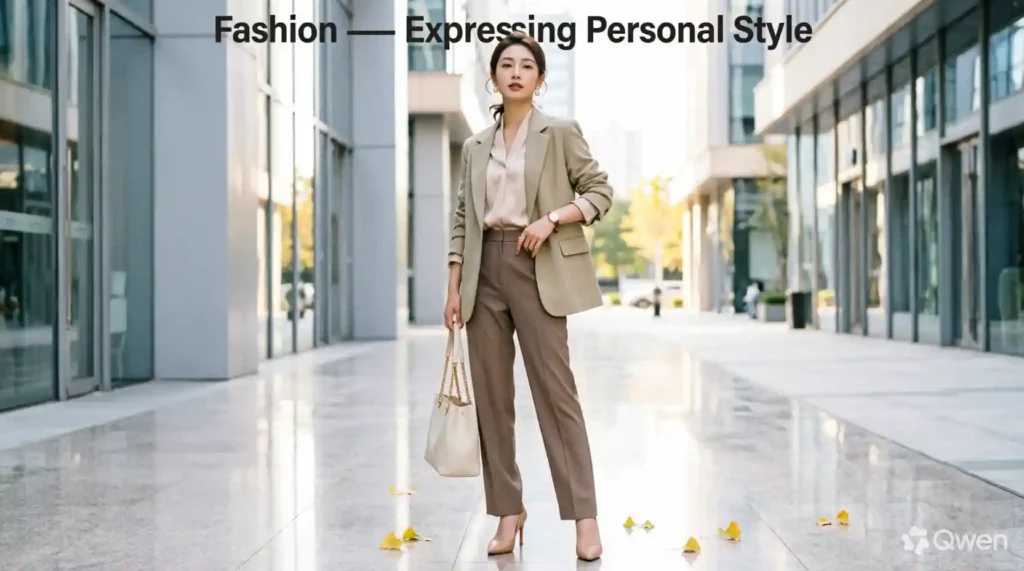
Fashion is more than following the latest trends or buying new clothes every season. It is a form of personal expression that allows people to communicate their personality, preferences, confidence, lifestyle, and creativity through what they wear. Personal style develops gradually as you discover which colors, silhouettes, fabrics, patterns, and accessories make you feel comfortable and confident.
Modern fashion also gives people more freedom to create their own wardrobe instead of following one fixed definition of what is stylish. Some people prefer classic and polished outfits, while others enjoy minimal, casual, feminine, bold, street-inspired, or experimental looks. Therefore, the goal is not to copy every trend but to understand fashion and adapt useful ideas to your own lifestyle.
On Nesifyd, fashion focuses on practical style inspiration, wardrobe building, outfit ideas, seasonal dressing, accessories, trends, and more conscious choices. Whether you are refreshing your everyday wardrobe or simply looking for new styling inspiration, developing a personal approach to fashion can make getting dressed easier and more enjoyable.
Personal Style & Wardrobe Essentials
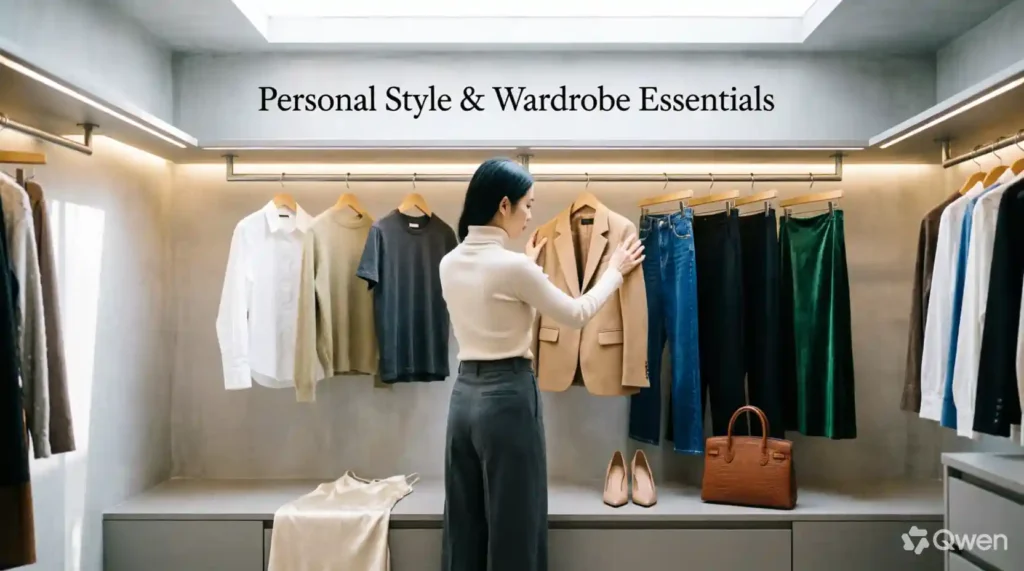
Personal style begins with understanding what you actually enjoy wearing. Instead of purchasing clothing simply because it is popular, consider your daily routine, comfort level, preferred colors, lifestyle, and the types of outfits you naturally reach for.
A strong wardrobe does not necessarily need to contain hundreds of pieces. A carefully selected collection of versatile clothing can create many different outfits when individual pieces work well together.
Understanding Personal Style
Your personal style may include several influences. For example, you might enjoy classic basics during the week but prefer trend-focused pieces for weekends or special occasions. Your style can also change as your lifestyle, preferences, and confidence develop.
Some useful questions to consider include:
- Which colors do you wear most often?
- Do you prefer fitted, relaxed, or oversized silhouettes?
- Which clothing pieces make you feel most confident?
- Do you prefer neutral outfits or colorful combinations?
- Is comfort a major priority?
- Do you prefer timeless clothing or current trends?
- Which pieces do you repeatedly wear?
Building a Practical Wardrobe
Wardrobe essentials are pieces that can be combined with many other items. They provide a foundation for creating everyday outfits without making the wardrobe unnecessarily complicated.
| Wardrobe Essential | Why It Matters | Styling Potential |
|---|---|---|
| Classic tops | Easy everyday foundation | Jeans, trousers, skirts |
| Well-fitting jeans | Versatile casual option | Casual and smart-casual looks |
| Tailored trousers | Adds polish | Office and evening outfits |
| Simple dress | Easy one-piece outfit | Casual to occasion styling |
| Lightweight jacket | Useful for layering | Seasonal outfits |
| Neutral shoes | Works with many looks | Everyday and dressy outfits |
| Versatile handbag | Practical finishing piece | Multiple outfit combinations |
The best wardrobe is one that reflects the person wearing it. Instead of trying to own every fashion essential, choose pieces that genuinely fit your lifestyle.
Fashion Trends

Fashion trends can provide inspiration, but they do not have to control your entire wardrobe. Trends change quickly, while personal style can remain consistent. The most useful approach is to identify trends that complement your existing clothing and ignore those that do not feel natural.
Following trends can also be an opportunity to experiment. A new color, silhouette, print, or accessory may introduce a fresh direction without requiring a complete wardrobe makeover.
Using Trends Wisely
Before buying a trend-focused item, think about how often you are likely to wear it and whether it works with pieces you already own.
Consider:
- Does the trend suit your personal style?
- Can you create at least several outfits with it?
- Is it appropriate for your lifestyle?
- Does the color work with your existing wardrobe?
- Will you still enjoy wearing it after the trend becomes less popular?
- Can you experiment with the trend through a smaller accessory first?
Trend vs. Personal Style
| Fashion Trends | Personal Style |
|---|---|
| Change frequently | Develops over time |
| Offer new inspiration | Reflects individual preferences |
| Often seasonal | Can remain consistent |
| Encourage experimentation | Creates a recognizable wardrobe |
| May become outdated | Can include timeless elements |
A balanced wardrobe can include both timeless essentials and carefully selected trends. This approach allows you to enjoy modern fashion without constantly replacing everything you own.
Outfit Ideas & Styling

Having attractive clothing does not always make styling easy. The way pieces are combined can completely change the appearance of an outfit. Simple changes in layering, proportions, accessories, footwear, or color can create a completely different result.
Outfit styling becomes easier when you understand a few basic principles. Start with one main piece and build the rest of the outfit around it rather than trying to combine everything at once.
Simple Styling Formula
A practical everyday formula can include:
- Choose a main clothing piece.
- Add a complementary basic.
- Consider proportions and balance.
- Add suitable footwear.
- Introduce one or two accessories.
- Adjust the outfit according to the occasion.
- Check comfort before leaving.
Everyday Outfit Inspiration
| Occasion | Outfit Direction | Finishing Details |
|---|---|---|
| Casual day | Jeans + simple top | Sneakers + crossbody bag |
| Office | Trousers + blouse | Structured bag + polished shoes |
| Weekend | Relaxed trousers + fitted top | Minimal jewelry |
| Dinner | Simple dress or coordinated set | Elegant shoes + handbag |
| Travel | Comfortable layers | Practical shoes + spacious bag |
Layering is another useful styling technique. A jacket, cardigan, overshirt, scarf, or lightweight sweater can add depth to an otherwise simple outfit.
Color coordination can also make styling easier. You do not need to match every item perfectly. Instead, choose colors that complement one another and create an intentional overall appearance.
Seasonal Fashion
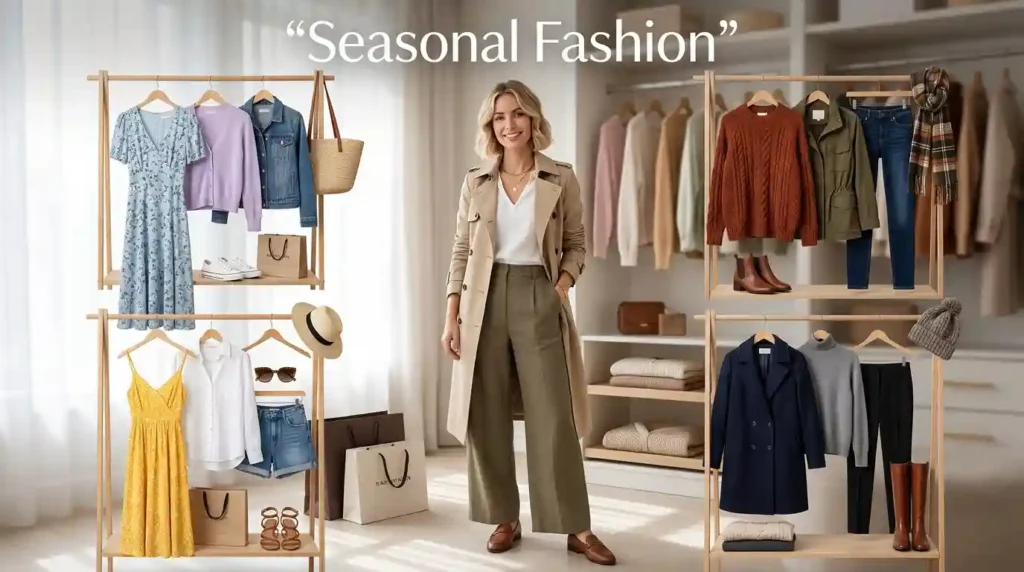
Seasonal fashion allows your wardrobe to adapt to changing temperatures, weather conditions, colors, fabrics, and lifestyle needs. However, seasonal dressing does not mean purchasing an entirely new wardrobe every few months.
A more practical approach is to use your existing essentials and introduce a small number of seasonal pieces.
Spring Fashion
Spring often creates opportunities for lighter layers, fresh colors, comfortable dresses, lightweight trousers, and transitional jackets. Pieces that can be layered are particularly useful because temperatures may change throughout the day.
Summer Fashion
Summer wardrobes generally benefit from breathable fabrics, lightweight silhouettes, comfortable footwear, and easy outfits. Simple dresses, relaxed trousers, skirts, breathable tops, and versatile accessories can create practical warm-weather looks.
Autumn Fashion
Autumn is ideal for layering. Jackets, knitwear, trousers, boots, scarves, and transitional pieces can be combined to create outfits that feel both practical and stylish.
Winter Fashion
Winter dressing focuses heavily on warmth and layering. Coats, sweaters, boots, scarves, gloves, and other cold-weather accessories can become important parts of the wardrobe.
| Season | Useful Fashion Focus | Key Wardrobe Ideas |
|---|---|---|
| Spring | Light layers | Jackets, shirts, light dresses |
| Summer | Breathable dressing | Lightweight tops, skirts, dresses |
| Autumn | Layering | Knitwear, trousers, jackets |
| Winter | Warmth | Coats, sweaters, boots |
The most useful seasonal wardrobe is flexible. Pieces should ideally work with several outfits rather than being purchased for only one specific occasion.
Accessories & Details
Accessories may appear small, but they can significantly influence the overall look of an outfit. A simple outfit can feel more polished with the right handbag, jewelry, shoes, belt, scarf, sunglasses, or other finishing details.
Accessories are also an easy way to experiment with trends without changing your entire wardrobe. For example, someone who prefers classic clothing can introduce a current trend through a handbag, shoes, jewelry, or scarf.
Important Accessories
- Handbags
- Shoes
- Belts
- Sunglasses
- Watches
- Earrings
- Necklaces
- Bracelets
- Scarves
- Hair accessories
Choosing Accessories
The right accessory depends on the outfit, occasion, and personal preference. A structured handbag may work well for professional clothing, while a smaller crossbody bag can be practical for casual days.
Shoes can also change the character of an outfit. Sneakers can make a polished outfit feel more relaxed, while heels or elegant flats may create a more refined appearance.
Accessories should support the outfit rather than overwhelm it. If the clothing already contains bold prints or strong details, simpler accessories may create better balance.
Sustainable & Conscious Fashion
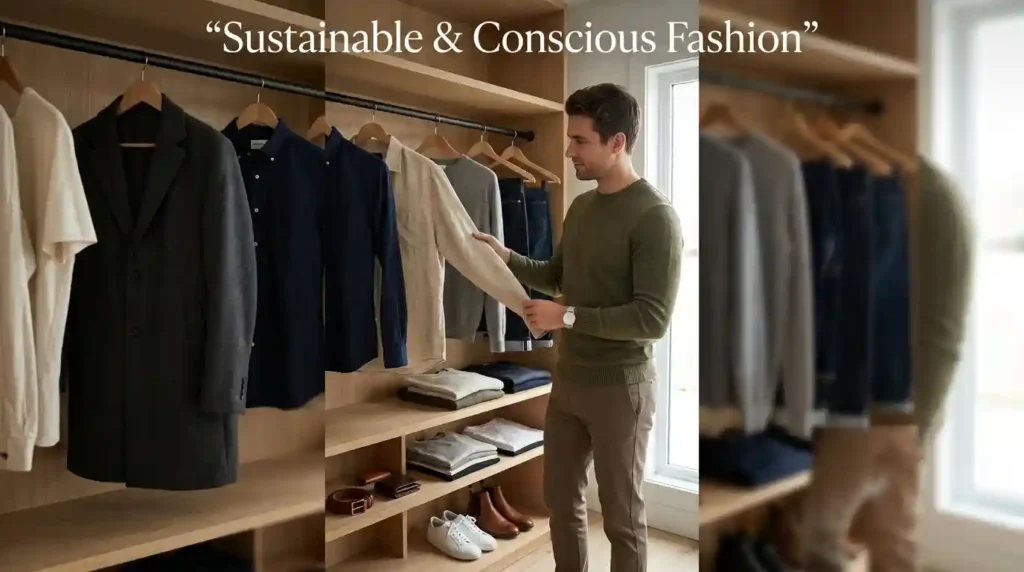
Fashion choices can also involve thinking about quality, longevity, purchasing habits, and how clothing fits into a more conscious lifestyle. Sustainable fashion does not have to mean completely replacing your existing wardrobe with expensive alternatives.
Instead, small changes can make shopping and wardrobe management more intentional.
Buy With Purpose
Before purchasing something new, ask whether it fills a genuine gap in your wardrobe. Consider how often you will wear it, how easily it can be styled, and whether you already own something similar.
Useful questions include:
- Do I genuinely need this piece?
- Can I style it with clothes I already own?
- Is the item comfortable?
- Does it suit my lifestyle?
- Can I imagine wearing it regularly?
- Is the quality appropriate for its intended use?
- Am I buying it because I love it or because it is trending?
Caring for Clothing
Taking care of clothes can help them remain useful for longer. Following appropriate washing instructions, storing clothing properly, repairing minor damage, and avoiding unnecessary washing can all contribute to better wardrobe management.
| Conscious Fashion Habit | Practical Benefit |
|---|---|
| Buy fewer but useful pieces | Reduces unnecessary purchases |
| Choose versatile clothing | Creates more outfit combinations |
| Care for garments properly | Helps maintain clothing |
| Repair when practical | Extends usefulness |
| Rewear outfits creatively | Makes the wardrobe work harder |
| Donate responsibly | Gives unwanted items another potential use |
Conscious fashion is ultimately about making thoughtful choices rather than trying to achieve perfection. Even small changes in shopping and wardrobe habits can make fashion feel more intentional.
Creating a Wardrobe That Reflects You
Developing personal style takes time. You do not need to identify your exact fashion aesthetic immediately, and you do not need to follow one particular style category forever.
Your wardrobe can evolve naturally as you discover what works for you.
Start by observing the pieces you wear most often. These items can reveal useful information about your preferred colors, silhouettes, fabrics, and level of comfort.
Next, identify the pieces that rarely leave your wardrobe. If certain clothes consistently remain unused, consider whether they fit your current lifestyle or whether they were purchased because of a trend, impulse, or unrealistic expectation.
A practical personal-style process can look like this:
- Review your current wardrobe.
- Identify your most-worn pieces.
- Remove items that no longer fit your lifestyle.
- Choose a few versatile wardrobe essentials.
- Experiment with new styling combinations.
- Add trends selectively.
- Use accessories to refresh familiar outfits.
- Consider quality and longevity before purchasing.
- Adjust your wardrobe as your lifestyle changes.
Fashion and Confidence
Clothing can influence how people feel about themselves, but fashion should not become a source of pressure. There is no single body type, age, lifestyle, or personality that determines what someone is allowed to wear.
The most effective style is often the one that allows you to feel comfortable and confident.
Personal style also becomes stronger when you stop comparing your everyday wardrobe with carefully curated images online. Social media can provide inspiration, but real-life clothing needs to work for your schedule, environment, comfort, and personal preferences.
Therefore, use fashion inspiration as a starting point rather than a strict rulebook.
Exploring Fashion Through Nesifyd
Fashion on Nesifyd is designed to make personal style more approachable and practical. Instead of focusing only on what is currently popular, the fashion category explores how readers can build wardrobes, style everyday outfits, understand seasonal changes, experiment with trends, and make thoughtful fashion decisions.
The goal is to help readers discover fashion ideas that fit their individual lives. Whether someone prefers simple basics, elegant outfits, casual clothing, modern trends, or a combination of different styles, fashion can become a creative part of everyday life.
Nesifyd can explore fashion through practical guides, seasonal inspiration, wardrobe ideas, styling advice, trend discussions, accessory guides, and conscious fashion topics.
Fashion
The Fashion Pillar Page can serve as the central hub for all fashion-related content on Nesifyd. From this main page, readers can explore more detailed articles covering personal style, wardrobe essentials, trends, outfits, seasonal fashion, accessories, and conscious shopping.
Future supporting articles can include:
- Personal Style Guide for Women
- How to Build a Versatile Wardrobe
- Essential Wardrobe Pieces Every Woman Needs
- Easy Outfit Ideas for Everyday Style
- How to Style Basic Clothing
- Fashion Trends to Watch
- How to Wear Seasonal Fashion Trends
- Spring Fashion Essentials
- Summer Outfit Ideas
- Autumn Wardrobe Essentials
- Winter Fashion Guide
- How to Choose the Right Accessories
- Handbag Styles and Outfit Pairing Ideas
- How to Style Jewelry With Everyday Outfits
- Sustainable Fashion Tips for Beginners
- How to Build a More Conscious Wardrobe
- Smart Fashion Shopping Tips
- Capsule Wardrobe Ideas
- Classic Fashion Pieces That Never Go Out of Style
- Modern Fashion Ideas for Different Occasions
Internal link → Fashion Pillar Page
When the Fashion Pillar Page is published, this section can link directly to it so readers can easily move between the main fashion hub and individual supporting articles.
Making Fashion More Personal
Fashion becomes more meaningful when it reflects the individual rather than simply copying what is popular. Trends can provide inspiration, but personal style gives those trends a place within your own wardrobe.
A practical fashion approach combines wardrobe essentials, creative styling, seasonal dressing, accessories, and conscious choices. Most importantly, it allows room for experimentation. Your style does not have to stay the same forever.
As your lifestyle changes, your wardrobe can change with it. By choosing clothing intentionally and learning how to style what you already own, fashion can become less stressful and more enjoyable.
For Nesifyd, the focus is therefore not just on what to wear next. It is about helping readers understand their own style, make smarter wardrobe choices, discover useful fashion inspiration, and create looks that feel genuinely their own.
Culture — Understanding the World Around Us
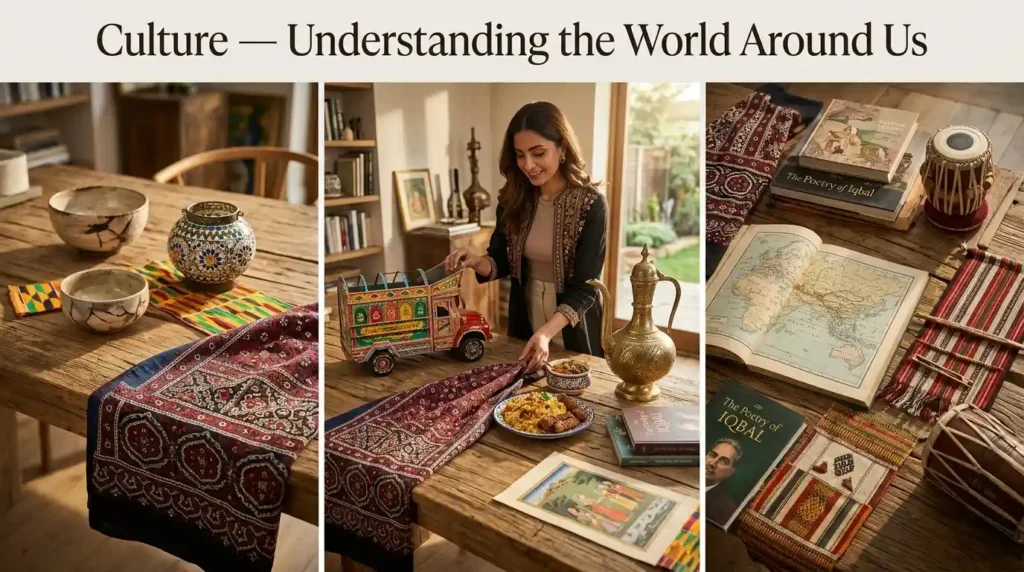
Culture shapes the way people understand the world, connect with others, express creativity, celebrate traditions, and develop new ideas. It can be found in art, music, food, books, celebrations, heritage, entertainment, and everyday social experiences.
Unlike a category focused only on current trends, culture gives Nesifyd a broader editorial identity. It creates space to explore the ideas, traditions, creative expressions, and changing influences that make communities and societies unique.
Culture is also constantly evolving. Traditional practices can exist alongside modern lifestyles, while technology, social media, travel, entertainment, and global communication continue to influence how people experience culture today.
On Nesifyd, the Culture category can bring together thoughtful and accessible content about creativity, food traditions, music, books, heritage, modern cultural movements, and the everyday experiences that connect people across different backgrounds.
Art & Creativity
Art is one of the most recognizable forms of cultural expression. From painting and photography to design, crafts, illustration, architecture, and digital creativity, art allows people to communicate ideas and emotions in different ways.
Creativity does not belong only to professional artists. Everyday activities such as decorating a room, creating handmade items, photography, journaling, writing, or experimenting with design can also become forms of creative expression.
Exploring Different Forms of Art
Nesifyd can explore a wide range of creative subjects, including:
- Visual art and photography
- Illustration and graphic design
- Interior and creative design
- Handmade crafts
- Fashion as creative expression
- Digital art
- Creative writing
- Architecture and design
- Photography styles and inspiration
Art can also provide a window into different cultures. A painting, traditional craft, building style, or design movement can reveal information about the history and values of the people who created it.
Creativity in Everyday Life
Creativity can be introduced into ordinary routines without requiring expensive equipment or professional training. Small creative projects can make personal spaces more interesting and encourage people to explore new interests.
| Creative Activity | Everyday Benefit |
|---|---|
| Photography | Encourages observation |
| Drawing | Supports creative expression |
| Writing | Helps communicate ideas |
| Crafts | Provides hands-on creativity |
| Interior styling | Combines function and design |
| Digital design | Encourages experimentation |
Culture and creativity therefore work together. Exploring art can help readers discover new perspectives while also encouraging them to express their own ideas.
Food & Cultural Traditions
Food is closely connected with culture, family, history, geography, and community. Traditional dishes often carry stories about where people come from and how generations have shared meals and celebrations.
The same ingredient can also be prepared differently across cultures. Cooking methods, spices, presentation, meal structures, and special occasions all contribute to the cultural meaning of food.
Food as Cultural Expression
Food-related cultural topics can include:
- Traditional dishes
- Regional cuisines
- Family recipes
- Cultural celebrations
- Street food traditions
- Traditional ingredients
- Cooking customs
- Dining traditions
- Seasonal foods
Exploring food through a cultural perspective allows readers to look beyond recipes. A dish can tell a story about migration, family traditions, local agriculture, celebrations, or historical influences.
Discovering Food Traditions
| Cultural Element | What It Can Reveal |
|---|---|
| Traditional dishes | Regional history |
| Cooking methods | Local practices |
| Ingredients | Geography and agriculture |
| Festivals | Community traditions |
| Family recipes | Generational connections |
| Dining customs | Social values |
Food also creates opportunities for cultural exchange. People often discover unfamiliar traditions through restaurants, travel, cooking content, festivals, and conversations with others.
Music & Entertainment
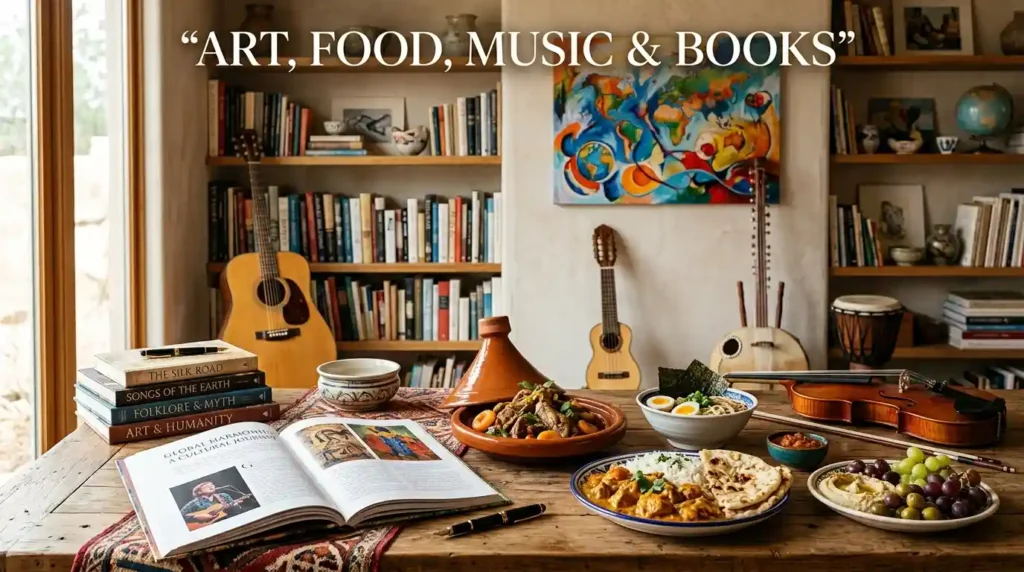
Music and entertainment influence how people spend their free time, connect with communities, and experience different cultural movements. Songs, films, television, performances, podcasts, and other forms of entertainment can reflect the interests and values of different generations.
Music can also cross cultural and geographical boundaries. A song created in one part of the world can become popular internationally, introducing listeners to new languages, sounds, instruments, and creative traditions.
Exploring Music
Culture-focused music content can explore:
- Different music genres
- Traditional and modern music
- Global music influences
- Musical instruments
- Artists and creative movements
- Music in celebrations
- Changing listening habits
Entertainment provides another way to understand cultural change. Movies and television can reflect evolving fashion, language, relationships, technology, social habits, and ideas.
Modern Entertainment
Digital platforms have also changed how people discover and consume entertainment. Streaming services, social platforms, podcasts, short-form videos, and online communities have made cultural content easier to access across geographical boundaries.
This creates a constantly changing entertainment landscape where traditional media and digital formats exist side by side.
Books & Ideas
Books provide another important way to explore culture. Literature can preserve stories, introduce unfamiliar perspectives, explore social changes, and encourage readers to think about different ideas.
Reading does not have to be limited to one genre. Fiction, nonfiction, memoirs, essays, biographies, poetry, history, cultural writing, and contemporary literature can all contribute to a broader understanding of the world.
What Readers Can Explore
Nesifyd can cover topics such as:
- Book recommendations
- Contemporary literature
- Classic books
- Cultural books
- Fiction and nonfiction
- Memoirs and biographies
- Poetry
- Interesting ideas and concepts
- Reading habits
- Books that encourage new perspectives
Books can also encourage meaningful conversations. A story written in one cultural setting may help readers understand experiences that are different from their own.
Ideas Beyond Books
The “Books & Ideas” section can also explore broader concepts. Readers may be interested in creativity, changing social habits, cultural observations, philosophy, lifestyle ideas, and conversations shaping modern society.
The goal is not simply to recommend books but to create curiosity and encourage readers to think more deeply about the ideas they encounter.
Traditions & Heritage
Traditions connect people with history and community. They may include festivals, clothing, crafts, ceremonies, food, music, storytelling, family customs, and other practices passed between generations.
Heritage can be tangible, such as historic buildings, traditional clothing, artwork, and objects. It can also be intangible, such as stories, songs, customs, languages, and cultural knowledge.
Why Heritage Matters
Learning about heritage can help people understand how communities developed over time. It can also create appreciation for the diversity of cultural experiences around the world.
Important heritage topics can include:
- Traditional celebrations
- Cultural festivals
- Historic places
- Traditional clothing
- Handicrafts
- Local languages
- Family customs
- Storytelling traditions
- Traditional music
- Cultural food
Tradition and Modern Life
Traditions do not always remain exactly the same. Families and communities may adapt practices as lifestyles change, while still maintaining important elements of their cultural identity.
This relationship between tradition and modern life can create interesting stories. For example, traditional clothing may be styled in contemporary ways, old recipes may be adapted for modern kitchens, and cultural celebrations may incorporate new technologies.
Culture therefore exists both in the past and in the present.
Modern Culture & Changing Trends
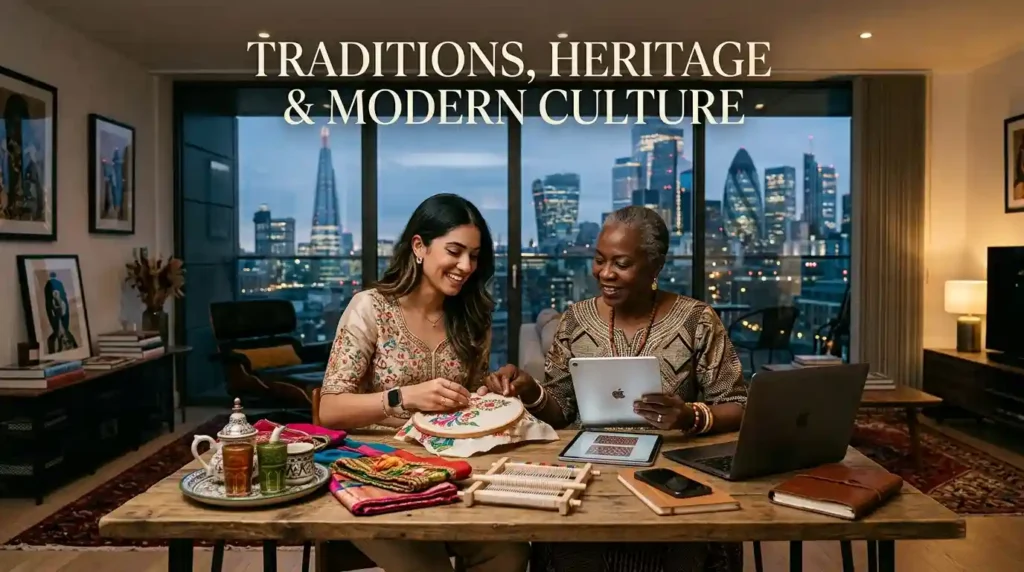
Modern culture is shaped by technology, social media, entertainment, travel, fashion, communication, and changing lifestyles. Trends can spread internationally much faster than they did in previous generations.
Social media has also changed how people discover cultural ideas. A fashion style, song, food trend, creative movement, or social conversation can reach audiences across countries within a short period.
Influences on Modern Culture
| Influence | Cultural Impact |
|---|---|
| Social media | Faster sharing of ideas |
| Technology | New forms of creativity |
| Global travel | Greater cultural exchange |
| Streaming | International entertainment access |
| Digital communities | New ways to connect |
| Fashion | Cross-cultural style influences |
However, not every trend becomes a lasting cultural change. Some trends disappear quickly, while others influence language, entertainment, design, shopping habits, or social behavior for years.
Nesifyd can approach modern culture by looking at these changes thoughtfully rather than simply reporting what is popular.
Culture and Global Perspectives
One of the strongest roles of a culture-focused platform is to encourage curiosity about different perspectives. People can learn about unfamiliar traditions without needing to experience them personally.
A global perspective also helps readers understand that there is rarely one universal way to celebrate, communicate, create, eat, dress, or entertain.
Learning Through Cultural Differences
Readers can explore:
- How celebrations differ around the world
- Regional food traditions
- Different approaches to art and creativity
- Global music influences
- Traditional clothing and modern adaptations
- Cultural storytelling
- Changing entertainment habits
- Heritage and historical influences
The purpose is not to rank one culture against another. Instead, cultural content should encourage curiosity, respect, and appreciation for differences.
Exploring Culture Through Nesifyd
The Culture category gives Nesifyd an opportunity to move beyond beauty, lifestyle, wellness, and fashion into broader conversations about the world around us.
Through art, food, music, books, traditions, heritage, and modern cultural trends, readers can discover stories and ideas that influence everyday life.
This category can also connect naturally with the other areas of Nesifyd. Fashion can intersect with cultural traditions, food can connect with travel and experiences, art can influence beauty and design, while music and entertainment can shape modern lifestyle trends.
This interconnected approach makes Culture a flexible editorial category that can continue to grow with new topics and perspectives.
Culture
The Culture Pillar Page can become the main hub for all culture-related content on Nesifyd. It should introduce the category and guide readers toward deeper articles covering creativity, food traditions, music, books, heritage, and modern cultural changes.
Future supporting articles can include:
- Art and Creativity in Everyday Life
- Creative Hobbies to Explore
- Famous Art Movements Explained
- How Art Influences Modern Culture
- Cultural Food Traditions Around the World
- Traditional Foods and Their Stories
- Global Music Genres to Explore
- How Music Shapes Modern Culture
- Books That Offer New Perspectives
- Cultural Books Worth Reading
- The Importance of Preserving Cultural Heritage
- Traditional Celebrations Around the World
- Cultural Traditions Passed Through Generations
- Traditional Crafts and Their Cultural Meaning
- How Social Media Is Changing Culture
- Modern Cultural Trends to Watch
- How Globalization Influences Modern Culture
- The Connection Between Fashion and Culture
- How Food Connects People and Communities
- Why Cultural Diversity Matters
- Exploring Global Culture Through Everyday Life
Internal link → Culture Pillar Page
Once the Culture Pillar Page is published, this section can link to it as the central hub. Individual Culture articles can then link back to the pillar page, creating a clear content structure for readers and search engines.
Understanding the World Through Culture
Culture helps us understand how people create, communicate, celebrate, remember, and adapt. It exists in the things people make, the food they prepare, the music they enjoy, the books they read, and the traditions they pass to future generations.
Modern culture is equally important because it shows how these traditions and ideas continue to change. Technology, travel, entertainment, and global communication are constantly creating new connections.
For Nesifyd, Culture can become a space for discovering these connections. By combining creativity, heritage, food, entertainment, literature, and modern cultural trends, the category can help readers explore the world with greater curiosity and an open mind.
Stories — Real People, Perspectives & Narratives
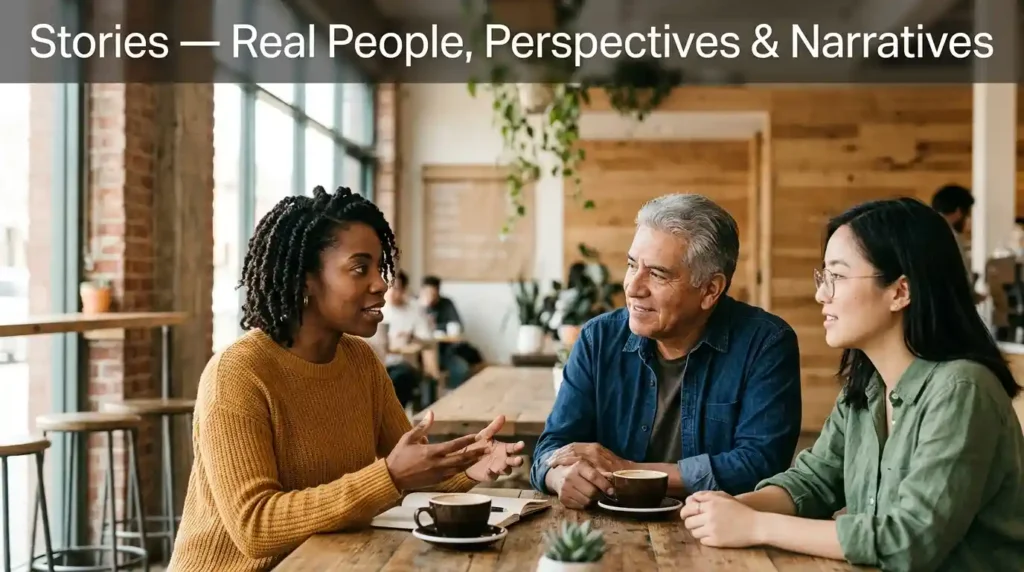
Stories bring a human dimension to content. While beauty, fashion, lifestyle, wellness, and culture can provide information and inspiration, personal stories allow readers to connect with real experiences, emotions, challenges, decisions, and moments of change.
The Stories category gives Nesifyd a broader editorial identity by focusing on people and perspectives rather than only products, trends, or practical advice. Every person has experiences that can offer something meaningful to others, whether the story is about overcoming a difficult period, discovering a new direction, learning from mistakes, achieving a personal goal, or simply seeing everyday life from a different perspective.
Stories can also create connection. Readers may recognize parts of their own experiences in someone else’s journey, discover a new point of view, or feel encouraged by a situation they once thought they were facing alone.
On Nesifyd, the Stories category can explore personal experiences, inspiring people, life lessons, challenges, transformations, human perspectives, and community stories.
Personal Stories
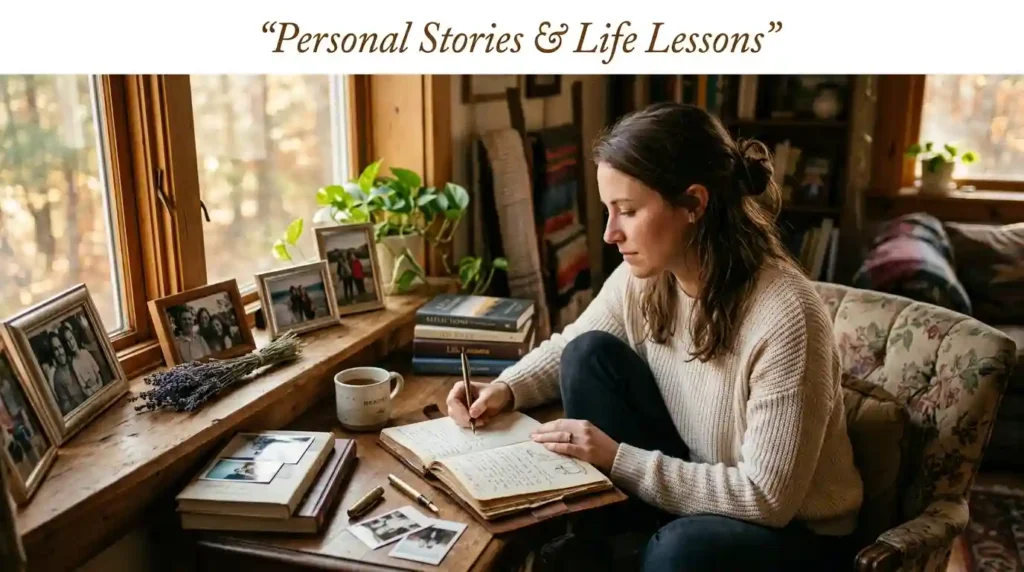
Personal stories can turn ordinary experiences into meaningful narratives. They allow people to share moments from their lives, including achievements, setbacks, changes, discoveries, and lessons learned along the way.
A personal story does not need to be dramatic to be valuable. Sometimes a small experience can provide an important insight into confidence, relationships, work, family, personal growth, or everyday life.
What Personal Stories Can Explore
- Major life changes
- Personal achievements
- Everyday experiences
- Career journeys
- Creative journeys
- New beginnings
- Important decisions
- Lessons learned
- Unexpected experiences
- Moments of personal growth
A strong personal story usually focuses on more than what happened. It can also explore how the experience felt, what the person learned, and how the experience influenced later choices.
Making Stories Relatable
Readers connect more easily with stories that feel genuine. Honest details, natural emotions, challenges, and realistic reflections can make a narrative feel more relatable.
| Story Element | Purpose |
|---|---|
| Background | Gives readers context |
| Challenge | Creates a central situation |
| Experience | Shows what happened |
| Reflection | Explains what was learned |
| Change | Shows the impact |
| Lesson | Gives readers something meaningful |
Personal stories therefore provide an opportunity to create content that feels human rather than purely informational.
Inspiring People
People can be inspiring for many different reasons. Inspiration does not have to come only from celebrities or widely recognized public figures. Teachers, entrepreneurs, artists, creators, parents, professionals, community members, and everyday individuals can all have stories worth sharing.
The focus should be on the person’s journey, choices, experiences, and perspective rather than simply presenting achievements.
Stories About Inspiring People Can Explore:
- Career journeys
- Creative achievements
- Entrepreneurial experiences
- Personal growth
- Community contributions
- Unique life experiences
- Turning points
- Lessons from success and failure
- Motivation and persistence
A person’s journey may contain both successful and difficult moments. Including both sides creates a more realistic and engaging narrative.
Beyond Success
Inspiration does not always mean reaching a major goal. Someone who continues learning after failure, changes direction after discovering a new passion, or helps others within their community may have an equally valuable story.
This approach allows Nesifyd to highlight diverse experiences and show readers that meaningful journeys can take many forms.
Life Lessons
Life lessons often emerge naturally from experiences. People learn through relationships, work, mistakes, achievements, changes, disappointments, and unexpected opportunities.
Stories focused on life lessons can transform individual experiences into broader reflections that readers may apply to their own lives.
Common Life Lessons
- Learning from mistakes
- Becoming more confident
- Setting personal boundaries
- Understanding the importance of patience
- Adapting to change
- Appreciating relationships
- Managing expectations
- Learning from failure
- Recognizing personal strengths
- Making thoughtful decisions
The most effective life lessons are usually grounded in real experiences rather than presented as universal rules.
For example, one person’s experience with changing careers may encourage another reader to think differently about their own goals. A story about rebuilding confidence may help someone understand that personal growth often happens gradually.
Experience → Reflection → Lesson
A simple structure can help make these stories meaningful:
- What happened?
- How did the person respond?
- What did the experience reveal?
- What changed afterward?
- What might readers take from the experience?
This keeps the focus on storytelling while still giving readers something useful to consider.
Challenges & Transformations
Challenges are a natural part of many life stories. People experience uncertainty, setbacks, difficult decisions, changing circumstances, and unexpected obstacles.
Stories about challenges can be particularly powerful because they show transformation as a process rather than an instant result.
A transformation may involve changing a career, rebuilding confidence, developing a new skill, starting over, adjusting to a new environment, or simply developing a different understanding of life.
A Transformation Story Can Include:
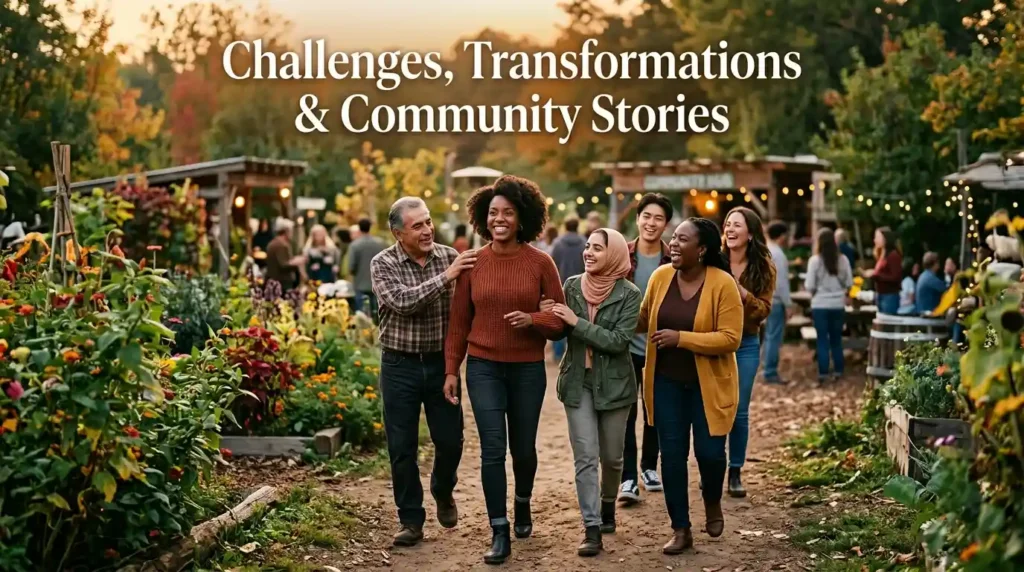
- The situation before the change
- The challenge or turning point
- Decisions made along the way
- Difficult moments
- Support or resources that helped
- Small signs of progress
- The outcome
- Reflections after the experience
| Stage | Story Focus |
|---|---|
| Before | What life was like initially |
| Challenge | What created difficulty |
| Turning Point | What encouraged change |
| Journey | What happened during the process |
| Transformation | What changed |
| Reflection | What the person learned |
Not every transformation has a perfect ending. Real stories can include uncertainty, setbacks, and ongoing growth.
That honesty can make them more relatable because real life rarely follows a perfectly predictable path.
Human Perspectives
Every person experiences the world differently. Human perspectives allow Nesifyd to explore different ways of thinking about everyday experiences, relationships, work, creativity, culture, lifestyle, and personal choices.
This section can provide space for interviews, first-person reflections, opinion-based narratives, conversations, and experiences that reveal how people see particular subjects.
Possible Perspective Topics
- How people define success
- Different approaches to work and life
- Personal views on modern relationships
- Experiences with creativity
- Changing ideas about beauty and fashion
- Thoughts about digital life
- Experiences with cultural traditions
- Different approaches to personal growth
The purpose is not necessarily to establish one correct answer. Instead, these stories can encourage readers to consider different perspectives.
Creating Respectful Conversations
Human-perspective content should be approached thoughtfully. Individual experiences should be presented as personal viewpoints rather than universal truths.
This allows Nesifyd to create conversations where readers can discover ideas without feeling that every experience must be identical.
Different perspectives can coexist, and that diversity is one of the strengths of storytelling.
Community Stories
Communities are built around shared experiences, interests, places, traditions, activities, and relationships. Community stories can highlight the people and experiences that might otherwise receive little attention.
These stories can focus on local communities, creative groups, professional communities, cultural gatherings, volunteer projects, events, online communities, or groups connected by shared interests.
Community Story Ideas
- Local creative communities
- Community events
- Small businesses and creators
- Volunteer experiences
- Cultural gatherings
- Community projects
- Group achievements
- Shared traditions
- Local talent
- Meaningful community initiatives
Community stories can also create a sense of connection between readers. Someone may discover a group, tradition, experience, or perspective that is completely new to them.
The Power of Shared Experiences
A community story becomes more engaging when it focuses on people rather than only describing an event. What did participants experience? Why did the community come together? What made the experience meaningful?
These questions can turn a simple event into a memorable narrative.
What Makes a Strong Story?
A strong story does not necessarily require an extraordinary event. It needs a clear perspective and a reason for the reader to care.
Useful storytelling elements include:
- A clear beginning
- A meaningful experience
- Real emotions
- Specific details
- A central challenge or idea
- Natural progression
- Reflection
- A memorable ending
Stories should also respect the people involved. When publishing personal experiences or interviews, the focus should remain accurate, respectful, and authentic.
Stories and the Other Nesifyd Categories
The Stories category can naturally connect with every other section of Nesifyd.
A beauty article might explain a skincare routine, while a Stories article could explore someone’s personal journey with discovering a new approach to self-care. Fashion can provide styling advice, while a story can explore how someone developed confidence through personal style.
Similarly, Wellness can discuss healthy habits, while Stories can share someone’s experience of creating a more balanced routine. Culture can explore traditions, while Community Stories can highlight the people who continue those traditions.
This connection gives Nesifyd opportunities to create content that combines information with human experiences.
| Nesifyd Category | Possible Story Connection |
|---|---|
| Beauty | Personal beauty journeys |
| Lifestyle | Everyday life experiences |
| Wellness | Wellness and lifestyle changes |
| Fashion | Personal style journeys |
| Culture | Cultural experiences |
| Stories | Human narratives |
| Experiences | Memorable real-life moments |
Exploring Stories Through Nesifyd
Stories give Nesifyd a way to create content that readers can emotionally connect with. They can make the website feel more personal, diverse, and human.
The category can include first-person stories, interviews, profiles, community features, personal reflections, and narrative articles. Each format can provide a different way to understand people and their experiences.
The goal is not to create perfect stories. It is to share genuine perspectives that can inform, inspire, encourage curiosity, or simply help readers see life from another point of view.
By giving real people and their experiences a place on the website, Nesifyd can develop an editorial identity that goes beyond traditional beauty, fashion, or lifestyle publishing.
Stories
The Stories Pillar Page can become the central hub for all narrative and human-interest content on Nesifyd. It can introduce the purpose of the category and organize supporting articles into personal stories, inspiring people, life lessons, transformations, perspectives, and community features.
Future supporting articles can include:
- Real-Life Stories of Personal Growth
- Personal Journeys That Inspire Change
- Stories About Starting Over
- Everyday Experiences With Meaningful Lessons
- Inspiring People and Their Journeys
- Women Who Turned Challenges Into New Beginnings
- Lessons Learned From Life’s Unexpected Moments
- What Failure Can Teach Us
- Stories of Personal Transformation
- Real Experiences of Building Confidence
- Different Perspectives on Modern Life
- Personal Stories About Finding Purpose
- Human Stories Behind Everyday Experiences
- Community Stories Worth Sharing
- Inspiring Community Projects
- Stories of Creativity and Self-Discovery
- Personal Style and Confidence Stories
- Life Experiences That Change Perspective
- Stories About New Beginnings
- Real People, Real Experiences, Real Lessons
Internal link → Stories Pillar Page
Once the Stories Pillar Page is published, this section can link directly to it. Individual story articles can also link back to the main pillar page, creating a clear content structure and making it easier for readers to discover related narratives.
Creating a Human-Centered Editorial Identity
Stories can become one of the most distinctive parts of Nesifyd because they focus on experiences rather than simply information.
People remember stories because they create emotional connections and make ideas easier to relate to. A thoughtful personal experience can sometimes communicate a lesson more effectively than a list of advice.
For Nesifyd, the Stories category creates space for different voices, backgrounds, experiences, and perspectives. It can celebrate achievements while also acknowledging challenges, uncertainty, and growth.
Ultimately, the purpose of this category is simple: to give real people and meaningful experiences a place to be heard.
7. Experiences — Places, Moments & Things Worth Trying
Experiences add a sense of discovery to everyday life. While lifestyle content often focuses on routines, habits, home life, and personal choices, the Experiences category is about going beyond the ordinary and exploring places, activities, food, events, and moments worth remembering.
An experience does not always have to be an expensive vacation or a major adventure. It can be a weekend getaway, a local café, a cultural event, a new activity, a memorable meal, a creative workshop, or a simple moment that becomes meaningful over time.
The Experiences category gives Nesifyd an opportunity to inspire readers to explore more intentionally. Instead of simply telling people what to buy or how to live, this section can help them discover what they can do, see, taste, explore, and experience.
From travel and local discoveries to food experiences, events, new activities, and memorable moments, Nesifyd can use this category to encourage curiosity and create practical inspiration for different lifestyles.
Travel & Getaways
Travel gives people the opportunity to step outside familiar surroundings and experience new places, cultures, landscapes, food, and ways of life. However, meaningful travel does not always require a long international trip.
A short weekend getaway or a nearby destination can provide a refreshing change of environment. The key is to focus on the experience rather than simply collecting destinations.
Travel Content Can Explore
- Weekend getaways
- City breaks
- Nature escapes
- Beach destinations
- Cultural destinations
- Seasonal travel ideas
- Budget-friendly trips
- Relaxing retreats
- Solo travel experiences
- Travel inspiration for couples or families
Travel articles on Nesifyd can focus on what makes a destination worth experiencing. Instead of only listing attractions, content can explore the atmosphere, food, activities, local culture, and types of travelers who may enjoy the destination.
Planning a Better Getaway
| Travel Element | What to Consider |
|---|---|
| Destination | What type of experience do you want? |
| Timing | Which season suits the trip? |
| Activities | What do you want to explore? |
| Food | What local experiences are available? |
| Accommodation | Does it match your travel style? |
| Budget | What expenses need planning? |
A useful travel experience balances planning with flexibility. Having a basic itinerary can make a trip easier, while leaving some time for unexpected discoveries can make it more memorable.
Local Experiences
You do not always need to travel far to experience something new. Local experiences can reveal interesting places, activities, food, creative spaces, cultural events, and hidden gems within or near your own city.
This makes local experiences especially valuable for readers who want inspiration without planning a major trip.
Local Experience Ideas
- Exploring a new neighborhood
- Visiting a museum or gallery
- Trying a new café
- Discovering local markets
- Attending cultural events
- Visiting parks and outdoor spaces
- Exploring independent businesses
- Joining creative workshops
- Trying recreational activities
- Discovering local landmarks
Local experiences can also support curiosity about the community around you. A place that seems ordinary may offer something completely different when experienced from a new perspective.
Making Local Exploration Interesting
Try choosing one unfamiliar place or activity each month. It could be as simple as visiting a new restaurant, walking through a different part of the city, attending an exhibition, or trying a creative class.
This approach turns ordinary weekends into opportunities for discovery.
Food & Dining Experiences
Food is not only about eating. Dining can be an experience involving atmosphere, presentation, culture, conversation, discovery, and memorable flavors.
The Experiences category can therefore approach food from an experiential perspective rather than functioning as a traditional recipe section.
Readers may want to discover interesting restaurants, cafés, food markets, cultural dining experiences, seasonal menus, unique dishes, or new cuisines.
Food Experience Ideas
- Trying a new cuisine
- Exploring local restaurants
- Visiting food markets
- Discovering cafés
- Experiencing traditional dishes
- Trying seasonal foods
- Exploring food festivals
- Creating a special dinner experience
- Discovering unique desserts
- Exploring cultural dining traditions
More Than the Menu
A memorable dining experience can involve several elements:
| Experience Element | Why It Matters |
|---|---|
| Food | Main sensory experience |
| Atmosphere | Creates the mood |
| Presentation | Adds visual appeal |
| Service | Influences overall experience |
| Location | Adds character |
| Company | Makes the experience memorable |
Food experiences can also connect naturally with the Culture category. Traditional dishes, regional ingredients, and cultural dining customs can help readers understand the stories behind what they eat.
Events & Activities
Events provide opportunities to step away from routine and participate in something different. Concerts, exhibitions, festivals, workshops, markets, sporting events, cultural celebrations, and creative activities can all become memorable experiences.
Nesifyd can explore events from the perspective of what attendees can expect and why an experience may be worth trying.
Types of Events to Explore
- Music events
- Art exhibitions
- Cultural festivals
- Food festivals
- Creative workshops
- Seasonal events
- Community activities
- Outdoor events
- Fashion events
- Entertainment experiences
Events can also provide opportunities to meet new people and discover new interests.
Choosing an Activity
When deciding whether to try an event or activity, consider:
- Is it something genuinely interesting to you?
- Does it fit your available time?
- Is the location convenient?
- What type of experience does it offer?
- Is it suitable for your preferred social setting?
- Does it offer something different from your usual routine?
Trying different activities can help people discover hobbies and interests they might never have considered before.
New Things to Try
Trying something new can make everyday life feel more interesting. A new experience does not have to be difficult, expensive, or adventurous. It simply needs to introduce something different.
The goal is not to create pressure to constantly chase new experiences. Instead, it is about maintaining curiosity and giving yourself opportunities to discover what you enjoy.
Simple Things to Try
- Learn a creative skill
- Try a new cuisine
- Visit an unfamiliar place
- Attend a local event
- Take a different route during a walk
- Try photography
- Join a workshop
- Read a book outside your usual genre
- Explore a new hobby
- Spend a day without your usual routine
Experience vs. Routine
| Familiar Routine | New Experience |
|---|---|
| Same places | Explore somewhere new |
| Familiar food | Try a different cuisine |
| Regular hobbies | Experiment with a new activity |
| Usual weekend | Plan a small getaway |
| Familiar social setting | Meet new people |
New experiences can also teach us something about ourselves. You may discover that an activity you expected to dislike becomes a favorite, or that a destination you had never considered becomes memorable.
Memorable Life Experiences
Some experiences remain meaningful long after they happen. These moments can include celebrations, journeys, achievements, reunions, first-time experiences, personal milestones, or unexpected moments of happiness.
A memorable experience does not have to look impressive from the outside. Its importance often comes from how it made someone feel.
Examples of Memorable Moments
- A first trip to a new destination
- A meaningful family gathering
- A special celebration
- Meeting someone important
- Completing a personal goal
- Discovering a new passion
- Attending a memorable event
- Experiencing a cultural tradition
- Taking an important first step
- Creating a meaningful everyday memory
Memories are often connected to sensory details. A particular meal, song, place, smell, conversation, or photograph can bring an experience back years later.
This is one reason experiences can become more meaningful than material possessions. They become part of personal stories.
Creating More Meaningful Experiences
A meaningful experience does not necessarily require a large budget. Attention and intention can make ordinary activities more memorable.
For example, instead of rushing through a meal, you might create an evening around it. Choose a new restaurant, invite someone you enjoy spending time with, explore the neighborhood afterward, and take time to appreciate the experience.
Similarly, a simple day trip can become memorable when you focus on the journey rather than trying to complete a long list of attractions.
Ways to Make Experiences More Meaningful
- Be present instead of constantly checking your phone.
- Take photographs without spending the entire experience behind a camera.
- Notice small details around you.
- Share experiences with people you value.
- Try something outside your normal routine.
- Keep a journal or personal record of meaningful moments.
- Give yourself time to enjoy an experience rather than rushing.
The goal is not to make every moment extraordinary. It is to become more aware of the moments that already matter.
Experiences and Modern Lifestyle
Modern life can become heavily focused on schedules, responsibilities, shopping, digital entertainment, and productivity. Experiences provide an opportunity to create balance by encouraging exploration and participation.
This does not mean abandoning routines or responsibilities. Instead, experiences can become intentional additions to everyday life.
A person might plan one local experience each month, a short seasonal getaway, or an occasional activity that encourages them to learn something new.
Experiences can also support other areas of Nesifyd:
| Nesifyd Category | Experience Connection |
|---|---|
| Beauty | Beauty events and self-care experiences |
| Lifestyle | Activities that enrich everyday life |
| Wellness | Relaxing and restorative experiences |
| Fashion | Fashion events and style experiences |
| Culture | Cultural events and traditions |
| Stories | Personal experiences and memories |
| Experiences | Places, moments, and activities |
This creates a natural connection between the seven major areas of the website.
Exploring Experiences Through Nesifyd
The Experiences category gives Nesifyd a space for content that encourages readers to step outside ordinary routines and discover something different.
Rather than providing generic lifestyle advice, this section can focus on specific experiences and the reasons they may be worth trying. Readers can discover travel ideas, local activities, dining experiences, events, hobbies, and meaningful moments.
The category can also become highly visual. Destinations, food, events, activities, and memorable places naturally lend themselves to engaging photography and editorial storytelling.
Most importantly, Experiences can encourage curiosity without creating pressure. The goal is not to have the busiest or most adventurous life. It is to find experiences that genuinely add value, enjoyment, connection, or discovery.
Experiences
The Experiences Pillar Page can become the main hub for all experience-based content on Nesifyd. It can introduce readers to travel, local discoveries, dining experiences, events, new activities, and memorable moments.
Future supporting articles can include:
- Weekend Getaway Ideas for a Refreshing Escape
- Unique Travel Experiences Worth Trying
- Simple Local Experiences to Discover
- How to Explore Your City Like a Tourist
- Food Experiences Worth Adding to Your List
- Unique Dining Experiences to Try
- Cultural Food Experiences Around the World
- Events and Activities Worth Experiencing
- Creative Workshops to Try
- New Hobbies Worth Exploring
- Fun Things to Try on a Weekend
- New Experiences to Add to Your Year
- Simple Ways to Make Everyday Life More Memorable
- Meaningful Experiences to Share With Loved Ones
- Memorable Travel Moments
- Experiences That Can Change Your Perspective
- How to Plan a Meaningful Weekend
- Budget-Friendly Experiences Worth Trying
- Seasonal Experiences to Enjoy
- Small Adventures for Everyday Life
Internal link → Experiences Pillar Page
Once the Experiences Pillar Page is published, this section can link directly to it as the central hub for experience-based content. Individual travel, dining, activity, and experience articles can also link back to the pillar page to create a clear content structure.
Making Experiences Part of Everyday Life
Experiences do not need to be extraordinary to matter. A new place, an interesting meal, a local event, a creative activity, or a meaningful conversation can become a valuable part of life.
The most important part is being open to discovery. When people occasionally step outside familiar routines, they create opportunities to learn, connect, explore, and make new memories.
For Nesifyd, the Experiences category brings this idea into the wider editorial identity of the website. It adds movement, discovery, and real-world inspiration to the other categories.
Ultimately, Experiences is about finding places worth visiting, moments worth appreciating, activities worth trying, and memories worth creating.
Building Your Own Modern Lifestyle
There is no single definition of a “perfect” modern lifestyle. Real life is usually a mix of busy mornings, work, family, responsibilities, small moments of self-care, and the things that make you genuinely happy. Instead of trying to copy someone else’s lifestyle, it is better to create one that feels right for you.
Your lifestyle can change with your priorities, age, interests, and circumstances. What matters most is finding a balance between looking after yourself, enjoying everyday life, expressing your personality, and staying open to new experiences.
Start With Your Daily Habits
You do not need to completely change your life to make it better. Sometimes, the smallest habits can make the biggest difference. Getting enough sleep, drinking more water, taking a short walk, keeping your space organized, or simply giving yourself a few quiet minutes can make your day feel more manageable.
Start with one or two habits that actually fit into your routine. When something feels realistic, you are much more likely to keep doing it rather than giving up after a few days.
Develop a Personal Care Routine
Personal care should feel like something you do for yourself, not another task on a never-ending list. Whether it is a simple skincare routine, caring for your hair, taking time to relax, or maintaining your everyday grooming habits, these small moments can help you feel more comfortable and confident.
You also do not need a shelf full of products. Pay attention to what your skin, hair, and body actually need, and build a routine that works for your lifestyle. Sometimes, simple and consistent is better than complicated.
Find Your Personal Style
Your personal style does not have to look like anyone else’s. Trends can give you inspiration, but the best outfits are usually the ones that make you feel comfortable, confident, and like yourself.
Think about the colors, clothes, shoes, and accessories you naturally reach for. From there, you can slowly build a wardrobe that works for your everyday life instead of constantly buying things just because they are trending.
Prioritize Your Wellbeing
It is easy to put your own wellbeing at the bottom of the list when life gets busy. However, taking care of yourself is not selfish. You need time to rest, recharge, move your body, eat well, manage stress, and simply have moments where you are not rushing from one responsibility to another.
You do not have to follow a complicated wellness routine. Find small things that genuinely make you feel better and give yourself permission to make them part of your normal life.
Explore New Experiences
Life can start to feel repetitive when every day looks exactly the same. Trying something new can bring a little excitement back into your routine, whether that means visiting a new place, trying a different food, attending an event, learning a skill, or simply spending an afternoon somewhere you have never been before.
Not every experience needs to be expensive or carefully planned. Sometimes, an ordinary day becomes memorable because you decided to do something a little different.
Stay Connected With Culture
Culture is all around us. It can be found in the food we eat, the clothes we wear, the music we listen to, the traditions we follow, and the stories passed down through generations.
Making time to explore different cultures can help you understand people and perspectives beyond your own everyday experience. It can also inspire your interests in fashion, beauty, travel, food, art, and lifestyle.
Learn From Other People’s Stories
Everyone has a different way of moving through life. Other people’s stories can teach us something about resilience, creativity, relationships, career changes, travel, personal growth, or simply finding happiness in ordinary moments.
Reading or listening to these stories can be inspiring, but you do not have to compare your life with someone else’s. Take what speaks to you, leave what does not, and remember that your journey has its own pace.
Ultimately, building your own modern lifestyle is not about having a perfect routine or keeping up with every new trend. It is about creating a life that feels authentic to you. Beauty, fashion, wellness, culture, stories, lifestyle, and experiences can all become parts of that journey—but you get to decide how they fit together.
Building Your Own Modern Lifestyle
There is no single definition of a “perfect” modern lifestyle. Real life is usually a mix of busy mornings, work, family, responsibilities, small moments of self-care, and the things that make you genuinely happy. Instead of trying to copy someone else’s lifestyle, it is better to create one that feels right for you.
Your lifestyle can change with your priorities, age, interests, and circumstances. What matters most is finding a balance between looking after yourself, enjoying everyday life, expressing your personality, and staying open to new experiences.
Start With Your Daily Habits
You do not need to completely change your life to make it better. Sometimes, the smallest habits can make the biggest difference. Getting enough sleep, drinking more water, taking a short walk, keeping your space organized, or simply giving yourself a few quiet minutes can make your day feel more manageable.
Start with one or two habits that actually fit into your routine. When something feels realistic, you are much more likely to keep doing it rather than giving up after a few days.
Develop a Personal Care Routine
Personal care should feel like something you do for yourself, not another task on a never-ending list. Whether it is a simple skincare routine, caring for your hair, taking time to relax, or maintaining your everyday grooming habits, these small moments can help you feel more comfortable and confident.
You also do not need a shelf full of products. Pay attention to what your skin, hair, and body actually need, and build a routine that works for your lifestyle. Sometimes, simple and consistent is better than complicated.
Find Your Personal Style
Your personal style does not have to look like anyone else’s. Trends can give you inspiration, but the best outfits are usually the ones that make you feel comfortable, confident, and like yourself.
Think about the colors, clothes, shoes, and accessories you naturally reach for. From there, you can slowly build a wardrobe that works for your everyday life instead of constantly buying things just because they are trending.
Prioritize Your Wellbeing
It is easy to put your own wellbeing at the bottom of the list when life gets busy. However, taking care of yourself is not selfish. You need time to rest, recharge, move your body, eat well, manage stress, and simply have moments where you are not rushing from one responsibility to another.
You do not have to follow a complicated wellness routine. Find small things that genuinely make you feel better and give yourself permission to make them part of your normal life.
Explore New Experiences
Life can start to feel repetitive when every day looks exactly the same. Trying something new can bring a little excitement back into your routine, whether that means visiting a new place, trying a different food, attending an event, learning a skill, or simply spending an afternoon somewhere you have never been before.
Not every experience needs to be expensive or carefully planned. Sometimes, an ordinary day becomes memorable because you decided to do something a little different.
Stay Connected With Culture
Culture is all around us. It can be found in the food we eat, the clothes we wear, the music we listen to, the traditions we follow, and the stories passed down through generations.
Making time to explore different cultures can help you understand people and perspectives beyond your own everyday experience. It can also inspire your interests in fashion, beauty, travel, food, art, and lifestyle.
Learn From Other People’s Stories
Everyone has a different way of moving through life. Other people’s stories can teach us something about resilience, creativity, relationships, career changes, travel, personal growth, or simply finding happiness in ordinary moments.
Reading or listening to these stories can be inspiring, but you do not have to compare your life with someone else’s. Take what speaks to you, leave what does not, and remember that your journey has its own pace.
Ultimately, building your own modern lifestyle is not about having a perfect routine or keeping up with every new trend. It is about creating a life that feels authentic to you. Beauty, fashion, wellness, culture, stories, lifestyle, and experiences can all become parts of that journey—but you get to decide how they fit together.
10. Finding Inspiration for Everyday Life
Inspiration does not always come from big moments. Sometimes, it can be as simple as discovering a skincare idea that makes your morning easier, finding an outfit that finally feels like you, trying a new recipe, or reading a story that changes the way you look at something.
The internet gives us endless ideas, but the best inspiration is the kind that fits into real life. You do not need to follow every trend or try everything you see. Instead, look for ideas that make you curious, help you learn something useful, or simply bring a little more enjoyment into your day.
Beauty Inspiration
Beauty inspiration can come from many places, from simple skincare routines and haircare ideas to makeup techniques and everyday grooming tips. You might discover a new way to care for your skin or find a makeup look that feels more natural and comfortable for you.
The key is to take inspiration without feeling pressured to change yourself. Beauty should be about discovering what makes you feel confident and comfortable, not trying to look exactly like someone else.
Fashion Inspiration
Sometimes, one outfit is enough to inspire an entirely new way of dressing. A color combination, a seasonal trend, a simple accessory, or even an old favorite piece can give you ideas for creating something different.
Save the styles you genuinely like and notice what they have in common. Over time, you may start to understand your own preferences and build a personal style that feels natural rather than forced.
Wellness Inspiration
Wellness inspiration can be found in small, realistic changes. A calming evening routine, a better sleep schedule, a short walk, a nourishing meal, or simply taking a break when you need one can remind you that wellbeing does not have to be complicated.
Look for ideas that support your real life. The best wellness habits are often the ones you can actually enjoy and continue.
Lifestyle Ideas
Everyday life can become more enjoyable when you find little ways to make ordinary routines feel special. Organizing your home, improving your morning routine, trying a new hobby, planning a relaxed weekend, or finding better ways to manage your time can all make a difference.
You do not have to completely reinvent your life. Sometimes, one small change is enough to make a familiar routine feel fresh again.
Cultural Inspiration
Culture can open the door to new ideas, perspectives, traditions, food, art, music, fashion, and ways of living. Learning about something unfamiliar can make everyday life feel a little bigger and more interesting.
Whether you discover a cultural tradition through travel, a book, a meal, an event, or a conversation, stay curious. You may find inspiration in places you never expected.
Inspiring Stories
Real stories have a way of staying with us. Someone’s journey through a difficult period, career change, creative project, personal achievement, or unexpected experience can remind us that everyone’s life takes a different path.
You do not have to compare your journey with theirs. Sometimes, a story is valuable simply because it makes you think, gives you hope, or encourages you to look at your own life from a different perspective.
New Experiences to Explore
One of the easiest ways to find fresh inspiration is to experience something new. Visit a place you have never been, try a different type of food, attend a local event, learn a new skill, or say yes to something outside your usual routine.
New experiences do not have to be expensive or dramatic. Even a small change can give you a new memory, a new interest, or a story worth remembering.
Ultimately, inspiration is personal. What excites one person may not interest another, and that is perfectly fine. The goal is to stay curious, notice what speaks to you, and turn the ideas you love into something that fits your own life.
Nesifyd brings together beauty, fashion, wellness, lifestyle, culture, stories, and experiences so you can discover those ideas in one place—and choose the ones that feel right for you.
Frequently Asked Questions About Modern Living
What does modern living mean?
Modern living means creating a way of life that fits today’s needs while still reflecting your personal values and interests. It can include how you care for yourself, dress, work, relax, spend your time, connect with others, and experience the world around you.
There is no single version of modern living. What works for one person may look completely different for another.
How can I improve my lifestyle?
Start with small changes instead of trying to change everything at once. You might improve your daily routine, get more rest, make time for yourself, organize your surroundings, explore new interests, or develop healthier habits.
The most useful lifestyle changes are usually the ones that feel realistic enough to maintain.
How are beauty and wellness connected?
Beauty and wellness often overlap because everyday wellbeing can influence how you look and feel. Sleep, hydration, nutrition, stress management, self-care, and healthy routines can all be part of taking care of yourself.
However, wellness is about much more than appearance. Feeling healthy, comfortable, confident, and balanced matters too.
How can I develop my personal style?
Start by paying attention to what you genuinely enjoy wearing. Notice the colors, shapes, fabrics, outfits, and accessories that make you feel comfortable and confident.
You can use fashion trends for inspiration without following every one of them. Over time, experimenting with different looks can help you discover a personal style that feels like your own.
Why is culture important in everyday life?
Culture influences many parts of everyday life, including food, clothing, traditions, music, celebrations, art, and the way people connect with one another. Learning about different cultures can help us appreciate perspectives and experiences that may be different from our own.
It can also inspire new interests and give us a deeper understanding of the world around us.
What makes an experience memorable?
An experience becomes memorable for many different reasons. It might involve a new place, meaningful people, an unexpected moment, a special meal, an exciting activity, or simply a feeling that stays with you afterward.
Memorable experiences do not have to be expensive or extraordinary. Sometimes, the simplest moments become the ones we remember most.
How can personal stories influence our lives?
Personal stories can give us new perspectives and remind us that everyone experiences life differently. A person’s challenges, achievements, mistakes, or unexpected journey may inspire us, teach us something, or help us feel less alone.
You do not need to copy someone else’s path. Sometimes, the greatest value of a story is simply finding one idea that speaks to your own life.
Explore Nesifyd
There is always something new to discover when beauty, lifestyle, wellness, fashion, culture, stories, and experiences come together. Nesifyd brings these areas into one place so you can explore ideas that fit your interests, your everyday life, and your own sense of style.
Whether you are looking for a simple beauty routine, fresh fashion inspiration, better wellness habits, or something new to experience, explore the areas below and find the topics that speak to you.
Explore Beauty
Discover skincare, haircare, makeup, personal grooming, beauty routines, and practical beauty ideas designed for everyday life.
→ Beauty Pillar
Explore Lifestyle
Find ideas for everyday living, self-care, home, relationships, routines, and the little choices that can make daily life more enjoyable.
→ Lifestyle Pillar
Explore Wellness
Explore practical ideas around wellbeing, healthy habits, self-care, fitness, balance, and creating a healthier relationship with yourself.
→ Wellness Pillar
Explore Fashion
Discover personal style, outfit inspiration, seasonal fashion, wardrobe ideas, accessories, and trends that can help you express yourself.
→ Fashion Pillar
Explore Culture
Explore traditions, creativity, cultural influences, food, fashion, art, and the different perspectives that make everyday life more interesting.
→ Culture Pillar
Explore Stories
Read personal perspectives, inspiring journeys, real-life experiences, and stories that offer something to think about, learn from, or simply enjoy.
→ Stories Pillar
Explore Experiences
Find inspiration for travel, local experiences, food and dining, events, activities, and new things worth trying.
→ Experiences Pillar
From everyday beauty and personal style to wellness, culture, meaningful stories, and new experiences, Nesifyd is a place to explore modern living from different perspectives. Start with the area that interests you most, and let one discovery lead you to the next.