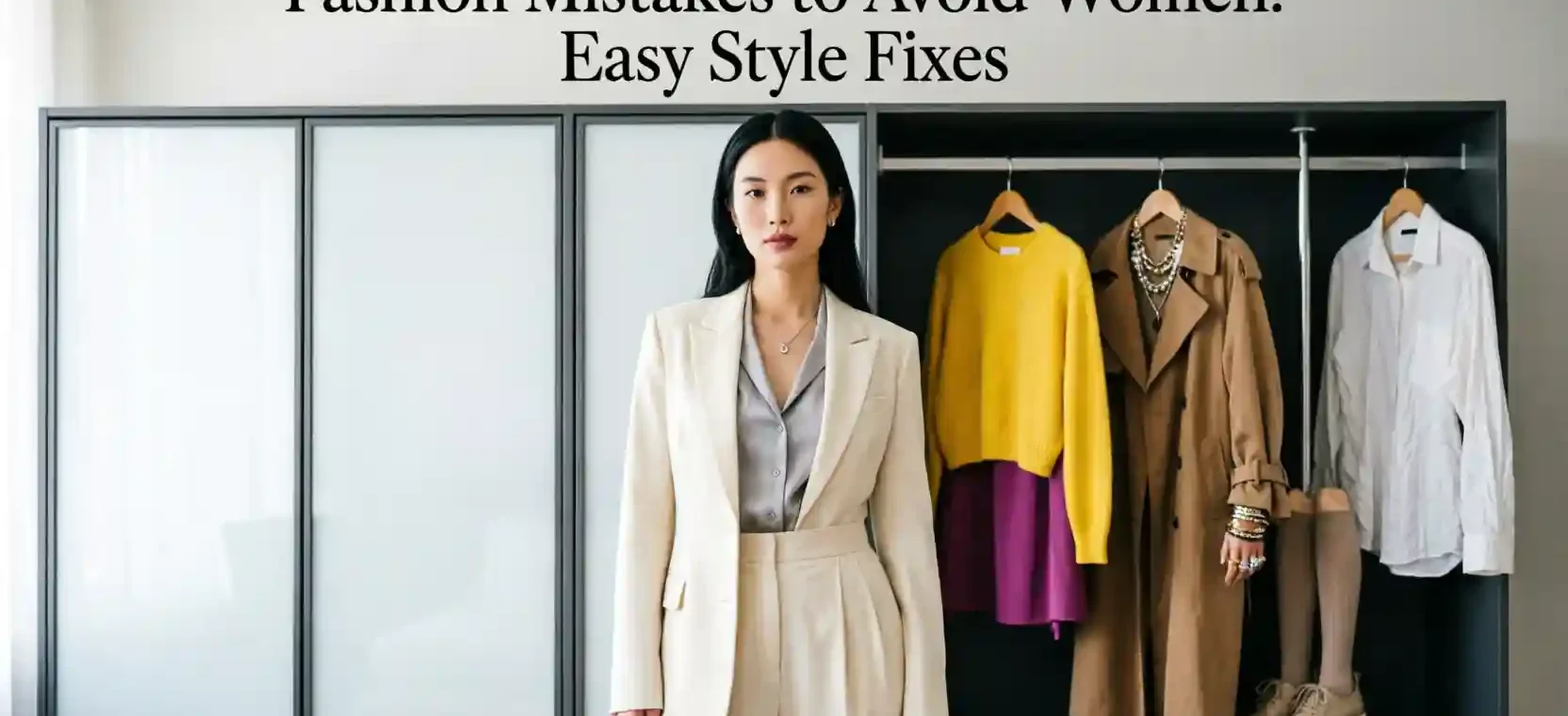
Getting dressed should make life easier, not turn every morning into a battle with the wardrobe. Sometimes an outfit feels “off” even though every individual piece looks beautiful. The problem may be the fit, proportions, colors, accessories, fabric, or simply choosing something that does not suit the occasion.
The good news is that looking polished does not require an expensive wardrobe. Small changes can completely transform the way an outfit feels.
Great style is not about perfection; it is about knowing what works for your lifestyle, comfort, and personality.
Why Small Styling Mistakes Matter
Fashion is not only about following trends. The way clothing fits, moves, and works together affects the overall appearance.
The competitor articles correctly highlight problems such as poor fit, excessive accessories, uncomfortable clothing, outdated pieces, unsuitable footwear, and blindly following trends.
However, simply identifying a mistake is not enough. A useful guide should also explain what can be done differently.
Look at the Whole Outfit
A beautiful blouse, stylish trousers, or expensive handbag can look less effective when combined poorly.
Before adding another piece, look at the complete outfit from head to toe.
Wearing the Wrong Fit
Fit is one of the easiest ways to improve an outfit without buying anything new. A garment that is too tight may pull or restrict movement, while an oversized piece can sometimes remove structure.
Velmoria also emphasizes that clothing should be judged by how it actually sits on the body rather than relying only on the size printed on the label.
Clothes That Feel Too Tight
If a garment constantly needs adjusting, pulls across the body, or makes movement uncomfortable, the fit probably needs attention.
Don’t keep wearing an uncomfortable size just because the number on the label looks better.
Clothes That Are Too Loose
Oversized fashion can look stylish when intentional, but several oversized pieces together can overwhelm the outfit.
Don’t use oversized clothing simply to hide your shape; choose proportions that make you feel comfortable and confident.
When Tailoring Can Help
Small alterations can make a major difference to sleeves, trouser length, waistlines, and overall shape.
A simple alteration can sometimes improve an existing garment more than buying another one.
Choosing Fabric Without Considering the Weather
Fabric affects both comfort and appearance. String & Thread specifically highlights weather-appropriate fabrics, including lighter options for hot weather and warmer materials for colder months.
Summer Clothing
Breathable fabrics such as cotton and lightweight materials can feel more comfortable in hot conditions.
Winter Clothing
Heavier fabrics and suitable layering can provide warmth while still maintaining a polished appearance.
Don’t choose a beautiful outfit that makes you uncomfortable for the entire day simply because the fabric is unsuitable for the weather.
Following Every Trend Without Thinking
Trends can make fashion exciting, but not every popular style deserves a place in every wardrobe.
Both String & Thread and Velmoria point out that blindly following trends can lead to clothing that does not suit personal style, lifestyle, or comfort.
Adapt Instead of Copying
Take inspiration from a trend without copying the complete look.
Don’t assume a trend that looks amazing on an influencer will automatically feel right on you.
Think About Your Existing Wardrobe
Before buying a trend, ask:
- Can it work with at least two or three pieces already owned?
- Is it comfortable enough to wear?
- Does it suit the usual lifestyle?
- Will it still feel useful after the trend fades?
- Can it work for more than one occasion?
A trend becomes a good purchase when it fits into real life, not just into an Instagram photo.
Getting Proportions Wrong
Correct fit does not always guarantee a balanced outfit. Proportion matters too.
For example, a very long loose top with an equally loose and long bottom can sometimes make the entire silhouette look heavy. Velmoria specifically discusses balancing loose and fitted pieces to create more intentional proportions.
Balance Loose and Structured Pieces
Wide-leg trousers can work beautifully with a more defined top, while a loose blouse can pair nicely with cleaner trousers.
Don’t make every part of the outfit oversized unless the silhouette is intentionally styled that way.
Overloading the Outfit With Accessories
Accessories can completely change a simple outfit, but too many statement pieces can compete for attention.
IELFS points out both extremes: wearing too many accessories and wearing none at all. Velmoria similarly recommends allowing one or two statement pieces to become the focus.
Choose a Main Statement
A statement necklace, bold earrings, colorful bag, or striking shoes can each work as the focus.
Don’t make every accessory the star of the outfit.
Leave Some Breathing Room
Sometimes a simple outfit needs only one finishing detail.
The goal is not to fill every empty space; sometimes simplicity looks more intentional.
Wearing the Wrong Footwear
Shoes need to match both the outfit and the situation. Velmoria highlights the importance of considering the occasion, environment, walking, and standing time when choosing footwear.
Comfort Matters
Extremely uncomfortable shoes can affect the way someone walks and carries an outfit.
Don’t choose painful footwear simply because it looks good for five minutes in front of the mirror.
Match the Occasion
A delicate heel may work beautifully for an indoor event but make little sense for an outdoor setting involving lots of walking.
Choose footwear that looks appropriate and allows you to move comfortably.
Ignoring Undergarments
Undergarments may not be visible, but they can significantly affect how clothing sits.
String & Thread and Velmoria both identify incorrect sizing, visible lines, and unsuitable undergarments as problems that can affect the final appearance.
Match the Foundation to the Outfit
Different clothing requires different support and coverage.
Don’t let visible straps, lines, or an uncomfortable fit distract from an otherwise polished outfit.
Quick Outfit Check Before Leaving Home
A thirty-second check can prevent several common styling problems.
- Is the outfit comfortable?
- Does everything fit properly?
- Are the colors balanced?
- Is anything badly wrinkled?
- Are the shoes suitable for the occasion?
- Are the accessories competing with each other?
- Is the fabric suitable for the weather?
Wearing Colors Without Considering the Complete Outfit
Color can make an outfit look fresh and sophisticated, but too many competing shades can make it feel visually confusing.
The solution is not to avoid color. Instead, choose a main color and let the other pieces support it.
Use a Simple Color Balance
A neutral base can make a brighter piece stand out without overwhelming the outfit.
If your top is already bold, consider keeping your shoes, bag, or trousers more understated.
Don’t Forget Accessories
Your bag, shoes, belt, and jewelry also contribute to the overall color story.
A small repeated color detail can make separate pieces look intentionally connected.
Buying Clothes Without Knowing How They Will Be Worn
One of the easiest ways to create a crowded wardrobe is buying something simply because it looks beautiful in the store.
IELFS and String & Thread both discuss wardrobe choices that may not work practically with the rest of a woman’s clothing.
Think Beyond One Outfit
Before purchasing something new, imagine at least two or three ways to style it.
Ask yourself:
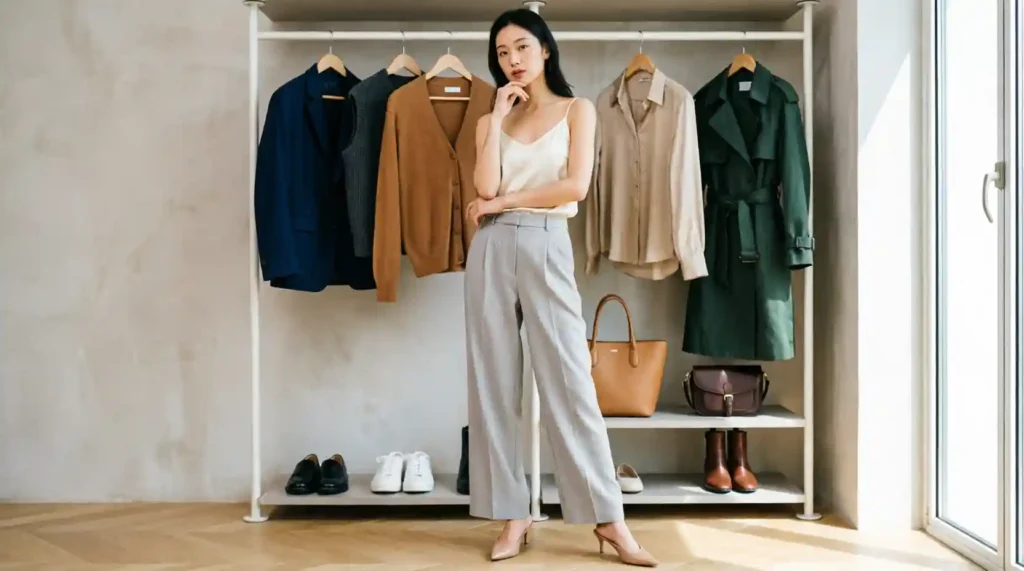
A wardrobe becomes more useful when new pieces create more outfits instead of more clutter.
Keeping Clothes That No Longer Work
Holding onto every piece forever can make getting dressed harder.
Some clothing may no longer fit, may be damaged beyond practical repair, or may simply no longer suit your lifestyle.
Review Your Wardrobe Regularly
Look at pieces you have not worn for a long time and ask whether they still serve a purpose.
Don’t keep something only because you paid a lot for it if you never feel comfortable wearing it.
Separate Sentimental Pieces
Some clothes have emotional value, and that is completely different from everyday wardrobe essentials.
Keep meaningful pieces separately so your daily wardrobe remains practical and easy to use.
Wearing Clothes That Need Better Care
Even the right outfit can lose its polished appearance when the clothing itself is poorly maintained.
Wrinkles, loose threads, missing buttons, faded colors, stains, and damaged hems can all make clothing appear neglected.
Simple Clothing Care
A few basic habits can extend the life of your wardrobe:
- Follow washing instructions.
- Remove stains as soon as possible.
- Steam or iron clothing when needed.
- Store delicate pieces appropriately.
- Repair loose buttons and small tears.
- Avoid unnecessary washing when the fabric does not require it.
Taking care of clothes is part of styling too.
Dressing for Someone Else Instead of Yourself
Fashion should help you express yourself, not make you feel like you are constantly trying to become someone else.
A style may look beautiful on another person but still feel completely wrong for your personality.
Find Your Personal Style
Think about the outfits you repeatedly reach for. Are they minimal, feminine, relaxed, classic, colorful, modern, or somewhere in between?
Your everyday wardrobe should reflect that preference.
Confidence usually looks better than wearing something simply because everyone else is wearing it.
Ignoring the Occasion
An outfit can be beautiful and still be wrong for the event.
A casual daytime outfit may not work for a formal dinner, while an extremely formal look can feel uncomfortable at a relaxed gathering.
Ask Three Questions
Before getting dressed, consider:
- Where am I going?
- Who will I be with?
- What will I actually be doing?
The best outfit is one that fits the occasion without making you spend the entire day worrying about it.
Fashion Mistakes and Their Easy Fixes
| Fashion Mistake | What It Can Do | Simple Fix |
|---|---|---|
| Poor fit | Makes clothing look uncomfortable | Choose the right size or tailor it |
| Too many trends | Makes style feel inconsistent | Pick one trend at a time |
| Wrong proportions | Can make the silhouette look unbalanced | Pair loose pieces with structure |
| Too many accessories | Creates visual clutter | Choose one main statement |
| Wrong footwear | Can ruin comfort and occasion-appropriateness | Match shoes to the setting |
| Unsuitable fabric | Makes dressing uncomfortable | Consider weather and season |
| Uncoordinated colors | Makes an outfit look chaotic | Build around a simple color palette |
| Neglected clothing | Makes the outfit appear untidy | Clean, iron, repair, and store properly |
| Impulse shopping | Creates wardrobe clutter | Buy pieces that work with existing clothes |
| Ignoring personal style | Can make outfits feel unnatural | Wear what reflects your personality |
Expert Tips for a More Polished Wardrobe
You do not need to become a fashion expert overnight. A few small habits can make everyday dressing much easier.
Check the Fit Before the Brand
A reasonably priced garment that fits beautifully can look more polished than an expensive piece with a poor fit.
Create a Few Reliable Outfit Formulas
Having combinations you already know work can save time on busy mornings.
For example:
- Tailored trousers + simple top + statement earrings
- Jeans + fitted shirt + structured bag
- Midi dress + simple shoes + delicate jewelry
- Wide-leg trousers + fitted top + clean sneakers
Reliable outfit formulas make a wardrobe feel bigger without requiring more clothes.
Prioritize Comfort Without Giving Up Style
Comfort and style do not have to compete.
Choose fabrics, shoes, and silhouettes that allow you to move naturally.
When you feel physically comfortable, you are much more likely to carry the outfit with confidence.
Common Fashion Mistakes to Avoid Women Should Remember
The easiest way to improve your style is not to memorize hundreds of fashion rules. Remember a few principles:
- Fit matters more than the label.
- Comfort matters more than blindly following a trend.
- One strong statement is often enough.
- Clothing care affects the final look.
- Colors should work together rather than compete.
- Shoes should suit both the outfit and occasion.
- Your wardrobe should support your real lifestyle.
- Personal style matters more than temporary trends.
Fashion should make you feel confident, not constantly worried about whether you are following every rule correctly.
Conclusion
The biggest style improvements often come from surprisingly small changes. Better fit, cleaner footwear, thoughtful proportions, suitable fabrics, balanced accessories, and clothing that actually suits your lifestyle can completely change how an outfit feels.
The real lesson from the competitor content is that identifying common problems is useful, but showing women how to fix those problems in everyday situations adds much more value.
The most practical fashion mistakes to avoid women should not be treated as strict rules. Instead, use them as a quick guide whenever an outfit feels uncomfortable, unbalanced, outdated, or simply not like you.
Your wardrobe does not need to be perfect. It needs to work for your body, your lifestyle, your comfort, and your personality.
FAQs
What is one of the biggest fashion mistakes women make?
Wearing clothing that does not fit properly is one of the most noticeable problems. The correct fit can make even a simple outfit look more polished.
Should women follow every fashion trend?
No. Trends can provide inspiration, but they should be adapted to personal style, comfort, lifestyle, and existing wardrobe pieces.
How can I make my outfits look more polished?
Start with clean, well-fitting clothes, suitable footwear, balanced colors, simple accessories, and proper grooming.
How many accessories should I wear?
There is no universal number. The key is balance. If one accessory is already making a strong statement, the others can remain simpler.
Can oversized clothing look stylish?
Absolutely. Oversized clothing can look very stylish when the proportions are intentional. Pairing a loose piece with something more structured can help maintain balance.
How can I avoid buying clothes I will never wear?
Before purchasing, think of at least two or three outfits you can create with the item. Also consider whether it fits your lifestyle and existing wardrobe.
Does expensive clothing always look better?
No. Fit, condition, styling, fabric, and coordination can matter much more than the price or brand.
How can I develop my own fashion style?
Notice the outfits you naturally enjoy wearing, identify repeated colors and silhouettes, and build your wardrobe around those preferences instead of constantly copying others.
What should I check before leaving the house?
Check the fit, wrinkles, colors, shoes, accessories, comfort, weather suitability, and whether the outfit matches the occasion.
What is the easiest way to improve a wardrobe?
Start by removing or repairing pieces that no longer work, then focus on versatile clothing that can be combined into several different outfits.